



When lower loan rates meet tax cuts and healthcare becomes preventive. When rates drop but your capacity rises. When being healthy actually saves money. 2026 isn’t just another year—it’s the inflection point.
THE OPENING TRUTH: Your Money Might Actually Go Farther in 2026
Here’s what nobody’s openly saying: 2026 is shaping up to be the year when India’s economic tailwinds finally reach your wallet. Not through some grand government handout, but through a convergence of forces—falling interest rates, tax cuts, inflation moderation, and job market recovery—that together create a rare moment: when borrowing gets cheaper, earning more becomes likely, and your purchasing power actually grows.
For the average Indian—whether you’re salaried in Mumbai, a gig worker in Bangalore, or a farmer in Punjab—2026 represents something specific: economic breathing room. And in a country of 1.4 billion people struggling with cost-of-living pressures, breathing room is a luxury.
POINT 1: YOUR LOANS ARE ABOUT TO GET REMARKABLY CHEAPER (And You Didn’t Notice the Setup)

The rate cut magic—explained simply:
– The RBI cut the repo rate by 125 basis points in 2025. That’s the foundation.
– Banks slashed personal loan rates from 13-14% to 11-12%. That’s Phase 1.
– In 2026, expect another 50-100 bps drop, pushing rates closer to 10-11%.1
– For a ₹10 lakh, 5-year personal loan, that 1% drop saves you over ₹10,000 annually.1
The real game-changer?
When your EMI becomes cheaper, lenders approve higher amounts. Here’s the math:
– Today (Late 2025): Monthly income ₹75,000 = eligible for ₹8-10 lakh loan
– 2026 Scenario: Same income, same credit score = eligible for ₹12 lakh+ loan1
Why? Lenders measure borrowing capacity as a debt-to-income ratio. Cheaper EMIs = more headroom in that ratio = more money you can borrow.
The punch-line: Your CIBIL score matters, but in 2026, your loan eligibility can jump 20-30% without your salary moving an inch.
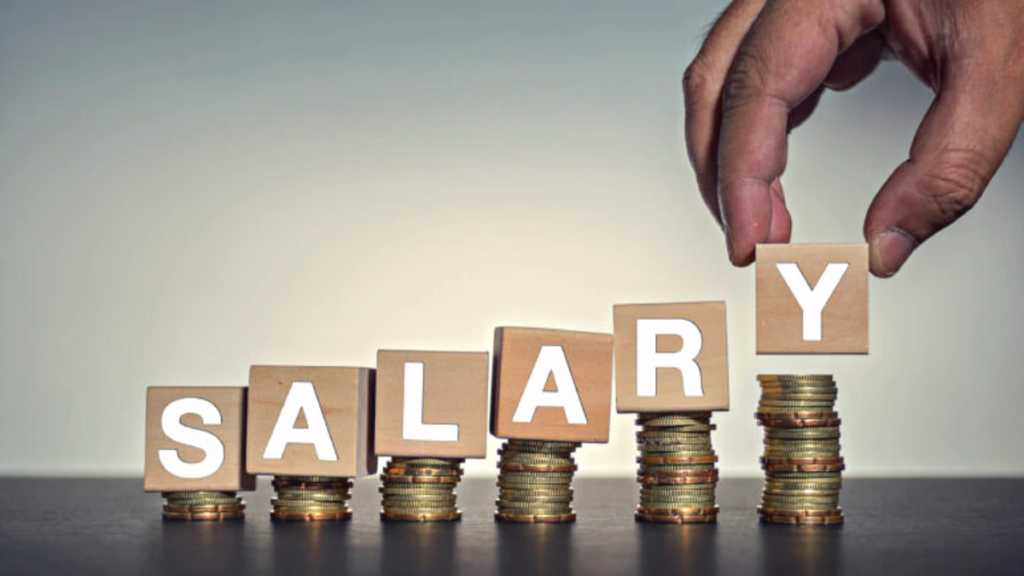
POINT 2: YOUR SALARY IS PROBABLY GOING UP 9-10%—While You Thought It Was Frozen
The context nobody connects:
Indian companies are in growth mode. Q1 & Q2 FY26 saw GDP growth of 7.8% and 8.2% respectively.2 When the economy grows, companies tend to hire more employees and raise their salaries.
The salary growth reality for 2026:3
– Urban professionals: 9-10% average salary hikes3
– Rural workers: Real wages improving through government pay commission revisions
– Government employees: 8th Central Pay Commission revised salaries + arrears flowing from January 2026 (~11 million people)3
What this means in rupees:
– If you earn ₹75,000/month today = ₹82,500/month in Jan 2026 (9-10% hike)
– ₹7,500 extra monthly = ₹90,000 extra annually = money that can go to SIPs, health insurance, or that family vacation
The under-appreciated angle: Gig workers are entering formal safety nets. 1 crore gig workers are now eligible for Ayushman Bharat health coverage (registered via e-Shram portal).4 For the first time, your Ola/Flipkart delivery partner has formal health insurance. Your spouse’s freelance income gets formal social security.
The punch-line: 2026 is when India’s informal economy gets a spine—and that spine has healthcare attached to it.
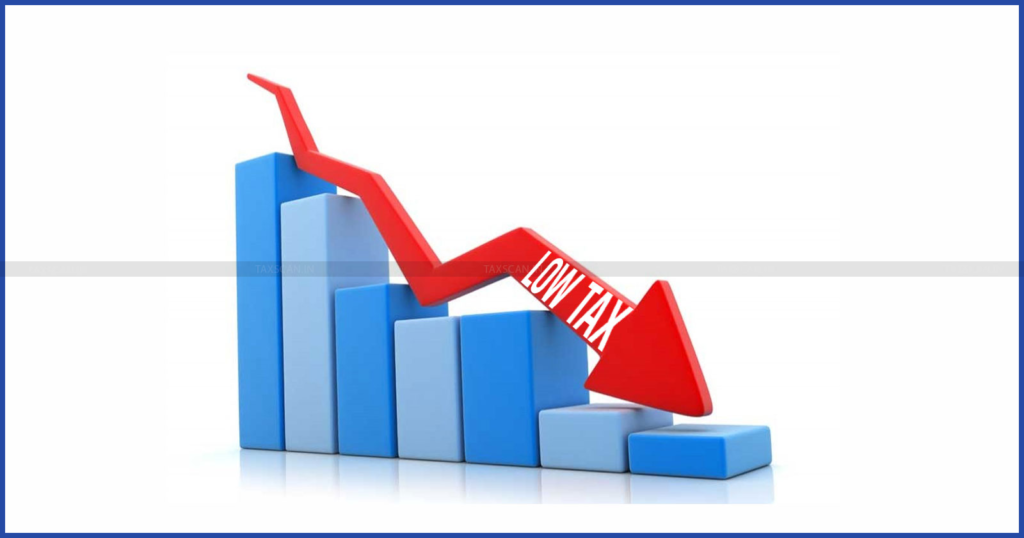
POINT 3: YOUR TAXES JUST DROPPED By Up To ₹80,000/Year—And You Can Spend It or Invest It
The tax cut that got buried in budget news:
The Finance Ministry implemented tax rationalization that will save a person earning ₹12 lakh annually approximately ₹80,000/year.3
What is this actually?
– Monthly savings: ~₹6,667
– Effective rate reduction: From 20% to ~17.3% for middle-income earners
– Compounding effect: If invested at 12% annual return, ₹80,000 saved annually = ₹4 lakh in 5 years3
Additionally, GST 2.0 simplification is expected to lower prices on consumption goods—effectively a second tax cut paid through lower retail pricing.
Who benefits most?
– Young professionals (₹8-20 lakh annual income)
– Dual-income households
– Self-employed professionals
– Anyone with investment discipline
The punch-line: The government didn’t hand you free money. It just let you keep more of what you already earned. The question is: will you spend it, or compound it?
POINT 4: HEALTH INSURANCE IS BECOMING ACTUALLY USEFUL (No, Seriously)
The transformation happening silently:
For years, Indian health insurance was simple: you get hospitalized, the insurance company reimburses. Reactive. Transactional. Frustrating.
In 2026, that’s changing fundamentally:56
Preventive Care Now Built-In:
– Wellness programs shifting from “nice-to-have” to mandatory6
– Regular health check-ups becoming standard (not add-ons)
– OPD coverage (outpatient consultations) now expected in base policies6
– Lifestyle management and preventive screening as policy cores6
What this means practically:
Instead of waiting until you get sick to use insurance, you now get free:
– Quarterly health checkups
– Diagnostic tests (blood work, imaging)
– Nutrition counseling
– Preventive screenings
The premium impact:
– Average health insurance premium growth: 10.4% in 2025, continuing into 20265
– But GST exemption on health insurance premiums is kicking in, offsetting the rise.5
– Net effect: Premiums rise slower than inflation = your affordability improves
The numbers you should care about:
– Health insurance market reaching Rs 3.21-3.24 lakh crore in 20265
– But individual policy premiums rising by only 8-10% in nominal terms = net deflation in real costs
The punch-line: In 2026, your insurance company will actually invest in keeping you healthy instead of just counting the days until you need expensive treatment. That’s not charity—that’s math. Healthy customers cost insurers less money.
POINT 5: CANCER TREATMENT IS BECOMING ACCESSIBLE (Even In Tier-2 Towns)
The infrastructure boom:
This is perhaps the most tangible government commitment visible in the budget:
– 200 Day Care Cancer Centers being set up by end of FY 2025-267
– One cancer center in every district hospital within 3 years (by end of 2026-27/FY 2027)7
– 36 life-saving drugs (mostly oncology) exempted from customs duty, reducing medicine costs by 5-28%8
What this actually changes:
In 2025, if you lived in a Tier-2 city and got diagnosed with cancer, you’d have two options: travel to Delhi/Mumbai (₹2-5 lakh + lost wages) or get sub-standard care locally.
In 2026, that calculus shifts:
– Day care chemotherapy center opens in your district hospital
– You get treatment locally = no travel, no lost income
– Medicines cost 15-20% less (duty exemption)
– You can sleep at home during treatment, not in a hospital bed7
The economic impact:
For a family with ₹10 lakh annual income and a cancer diagnosis, the difference between traveling 1000 km vs. 50 km treatment = ₹3-5 lakh saved (travel, accommodation, lost wages).
The human impact:
A cancer patient can now maintain their job, their family routine, their dignity—while getting treatment. That’s not medicine; that’s economic inclusion.
The punch-line: Cancer is still cancer. But in 2026, it won’t bankrupt a Tier-2 family the way it does today.
POINT 6: YOUR HEALTH HABITS NOW HAVE FINANCIAL INCENTIVES (Yes, Your Yoga Practice Can Save Money)
The insurance industry’s pivot to wellness:
Insurance companies have discovered a secret: if you live healthy, they make more profit.
What they’re doing about it in 2026:56
– Wellness discounts (10-25% off premium if you maintain health metrics)
– Fitness tracking integration (wearables linked to insurance benefits)
– Preventive screening credits (free tests if you’re in “green zone” health category)
– Employer-linked wellness programs becoming standard6
Real-world example:
If your insurance policy costs ₹15,000/year, and you’re in the “green zone” (normal BMI, blood sugar, BP, cholesterol):
– Base premium: ₹15,000
– Wellness discount (20%): -₹3,000
– Your actual cost: ₹12,000
The payback calculation:
– You spend ₹2,000 on gym membership
– You get ₹3,000 insurance discount
– Net saving: ₹1,000 while getting healthier
The punch-line: In 2026, your insurance company will pay you (via discounts) to stay healthy. That’s the year your health insurance becomes an asset, not an expense.
POINT 7: YOU CAN NOW BORROW FOR HEALTH WITHOUT GUILT (Because It’s Finally Affordable)
The credit expansion story:
Personal loan disbursals jumped 25% YoY in Q1 FY26.1 Banks are competing aggressively. Why? Because the RBI’s rate cuts mean their borrowing costs dropped, and they want to deploy that capital.
What this means for health-related borrowing:
In 2025, if you needed ₹2 lakh for:
– A parent’s knee replacement
– Your child’s orthodontics
– Preventive health screening for the family
You’d likely borrow at 12.5% interest, meaning ₹2 lakh borrowed for 3 years costs you ₹34,500 in interest.
In 2026:1
Same loan at 11% = ₹31,200 in interest. Saving: ₹3,300. Sounds small? Over 5 years, that’s ₹5,500+ in savings on a single loan.
The larger point:
Digital NBFCs are now approving loans in minutes on an app.1 No branch visits. No document collection. Just:
– Download app
– Submit income proof + KYC
– Approval in 30 minutes
– Money in account in 2 hours
For rural India, this is a revolution. A farmer needing ₹1 lakh for his wife’s surgery no longer needs to wait for monsoon or beg a moneylender.
The punch-line: Borrowing for health used to mean surrendering to loan sharks. In 2026, competitive banking means you can borrow for health at rates that are actually reasonable.
POINT 8: THE 8TH PAY COMMISSION TSUNAMI (₹1 Lakh Crore Flowing Into The System)
The political economy angle:
From January 2026, the 8th Central Pay Commission revised salaries will be implemented. This affects:
– 11 million government employees (central + state)
– Average salary increase: 20-30%
– Arrears (back-pay for 2024-25): ₹2-4 lakh per employee3
The macroeconomic impact:
– ₹1+ lakh crore extra money flowing into the system over 12 months3
– These are salaried government workers = high propensity to consume
– They’ll spend on: homes, cars, education, healthcare, leisure
– This spending drives demand, which drives hiring elsewhere
– Multiplier effect: ₹1 injected by government becomes ₹1.80-2.00 in total economic activity
What this means for you:
– Real estate prices in Tier-2 cities will firm up (government workers buying homes)
– Auto sector will see a bump (more car purchases)
– Education sector will see demand surge (better schools, coaching centers)
– Your small business or service can capture a slice of this spending
The punch-line: When 11 million salaried workers get sudden raises, the whole economy shifts. You either ride the wave or get left behind.
POINT 9: INFLATION IS MODERATING—AND THAT MEANS YOUR ₹100 IS WORTH MORE
The purchasing power story:
In 2025, inflation averaged 4.8%. In 2026, consensus forecasts expect it to moderate to 2.5-4.5%.12
What does this mean in daily life?
– Your grocery bill rises slower
– Your rent negotiation gets easier (landlords expect lower inflation, so hikes are smaller)
– Your savings actually preserve value (vs. being eroded by 5%+ inflation)
– Your debt burden effectively decreases (you borrowed at 12% interest, but prices rise only 3% = you effectively paid back at 9% in real terms)
The salary-inflation math:
If inflation = 3% and your salary increases 9%:
– Real salary increase = 9% – 3% = 6%
That 6% isn’t paper gains—that’s actual purchasing power. You can buy more with the same work.
The punch-line: Inflation is the silent tax on the poor. In 2026, that tax is getting lighter. Every percentage point matters.
POINT 10: RURAL INDIA’S MOMENT (And Urban India Needs to Pay Attention)
The overlooked story:
While everyone focuses on urban salary hikes, something important is happening in villages:
Rural Income Drivers for 2026:3
– Strong harvests (continuing from 2025)
– Healthy farm earnings pushing up
– Real wages improving (MSP + market prices)
– Government transfers (8th CPC affects rural government workers too)
– MGNREGA guarantees 100 days employment
What this means:
Rural consumption is growing faster than urban consumption.3 When villages have money, they spend it on:
– Agriculture equipment (tractors, pumps)
– Home improvement (cement, rebar, tile)
– Two-wheelers (motorcycle/scooter)
– Fast-moving consumer goods (FMCG)
– Durables (fridges, fans, TVs)
If you run any business in these sectors, 2026 is YOUR year.
The punch-line: Rural India isn’t a backup plan. It’s the growth engine. And it’s running hot in 2026.
POINT 11: YOUR DIGITAL WEALTH-BUILDING TOOLBOX JUST GOT BETTER
What’s coming in 2026:
– Instant personal loans: Already available, but scale increasing dramatically
– RoboAdvisors: AI managing your investments for ₹0 advisory fee
– Micro-investing apps: Start SIPs from ₹100/month (Zerodha, Groww, etc.)
– Automated tax optimization: Apps calculating your tax liability in real-time
– Multi-bank aggregation: One app managing accounts across 5+ banks
The wealth-building implication:
In 2000, to invest ₹1 lakh in mutual funds, you needed:
– A broker taking 2-3% commission
– Minimum ₹10,000 per investment
– Annual management fees
– Total cost: 3-5% drag on returns annually
In 2026, to invest ₹1 lakh:
– Zero commission (Direct funds)
– Can start from ₹100 (SIP)
– Annual fees: 0.3-0.5%
– Total cost: <1% drag annually
The math over 20 years
Investing ₹500/month for 20 years at 12% return:
– With 3% annual drag: Final corpus = ₹39 lakh
– With 0.5% annual drag: Final corpus = ₹48 lakh
– Difference: ₹9 lakh (23% more money)
The punch-line: In 2026, technology lets ordinary Indians compound wealth like only the rich could in 2000. The tool exists. The question is: will you use it?
POINT 12: THE GIG WORKER INCLUSION MOMENT (The Economic Shift Nobody’s Celebrating)
The policy that changes everything:
1 crore gig workers registered on e-Shram portal + Ayushman Bharat health coverage.4
What does this mean?
Your Ola/Uber driver can now go to a hospital and get treated without paying cash. Your Swiggy delivery person has health insurance. Your freelance daughter has formal social security eligibility.
Why this matters economically:
When 1 crore informal workers get health security, they stop:
– Borrowing from moneylenders when sick
– Skipping treatment because of cost
– Going bankrupt from medical emergencies
They start:
– Staying healthy (preventive care)
– Keeping their earning capacity intact
– Contributing to the economy continuously (not disrupted by health crises)
The multiplier effect:
If 1 crore gig workers:
– Each earn ₹25,000/month
– Lose 10 days/year to illness (if no insurance)
– But lose only 3 days/year with proper health security
Economic gain:
– ₹25,000/30 = ₹833 per day
– 7 extra working days per person per year
– 1 crore × 7 × ₹833 = ₹58,300 crore extra economic output annually4
The punch-line: When informal workers get health security, the entire economy gets more stable. That’s not charity. That’s macroeconomics.
POINT 13: THE RATE-CUT ENDGAME (Why This Matters in Jan-March 2026)
The RBI’s positioning for 2026:
RBI Governor Sanjay Malhotra has signaled the repo rate will stay in a “comfort zone” of 5-5.25%” through 2026.1 This isn’t temporary. This is the new baseline.
What this unlocks:
For savers: If you’re in fixed deposits, expect 6-7% returns (down from 7-8% in 2025)
For borrowers: Personal loans at 10-11%, home loans at 7.5-8%, auto loans at 8-9%
The psychology shift:
When interest rates stay low for an extended period, people’s financial behavior changes:
– They stop hoarding cash
– They invest in equities, real estate, business
– They borrow for productive purposes
– Credit-fueled consumption drives growth
The consequence for 2026:
Wealth creation will accelerate through:
– Real estate appreciation (home prices firm up in metros by 5-7%)
– Equity market returns (domestic + international allocations)
– Business expansion (entrepreneurs can afford capital at low rates)
– Debt reduction (individuals paying off loans at lower rates, freeing cash for investing)
The punch-line: In 2026, your biggest financial mistake might be not borrowing (productively) and not investing. The era of saving in FDs is officially over. The era of investing is here.
THE FINAL TRUTH: 2026 Is Significant Because It’s The Year Your Effort Finally Gets Economic Tailwind
Here’s what’s really happening in 2026:
For the last 3-4 years, Indians have worked harder, saved more, invested better—but the macro environment fought against them. Interest rates were high, inflation was eating savings, job growth was slow, real estate was expensive.
In 2026, the environment stops fighting and starts helping:
✅ Lower interest rates = cheaper borrowing, higher loan eligibility
✅ Salary growth acceleration = 9-10% raises becoming standard
✅ Tax cuts = ₹80,000+ in pocket for middle-income earners
✅ Inflation moderation = your rupee buys more
✅ Digital tools = you can now invest like a millionaire did 20 years ago
✅ Health affordability = preventive care becomes cheaper than treatment
✅ Infrastructure access = district hospitals get cancer centers, serious healthcare goes local
✅ Social safety nets = gig workers finally included in formal economy
✅ Rural growth = money flowing into villages creates consumption boom
So What Do You Do?
The 5-step action plan for 2026:
1. Audit Your Borrowing (Jan 2026)
– Check personal loan rates; refinance at new lower rates
– Lock in a higher loan amount while eligibility is high
– Use it for productive purposes: upskilling, home improvement, business investment
2. Harvest Your Tax Savings (Feb 2026)
– Calculate your tax savings under the new regime
– Don’t spend it; invest it
– ₹80,000/year = ₹6,667/month SIP in equity mutual funds = ₹16 lakh in 5 years
3. Lock In Health Insurance (Mar 2026)
– Review your health insurance coverage
– Shift to policies with OPD + wellness benefits
– Get baseline health checkups (now covered or heavily subsidized)
4. Capitalize On Job Market Recovery (Apr-Dec 2026)
– Upskill in high-demand areas (AI/ML, cloud, healthcare tech, fintech)
– Negotiate for the 9-10% salary hike (markets support it)
– Start side income stream (gig work, freelancing, consulting)
5. Invest The Surplus (Throughout 2026)
– Don’t increase lifestyle; increase investments
– 40% of extra income → SIP in equity mutual funds
– 30% → emergency fund
– 20% → real estate (if household plans it)
– 10% → experiential spending (health, family, growth)
THE CLOSING THOUGHT: 2026 Isn’t Special Because The Government Said So
It’s special because:
The convergence of low interest rates, tax cuts, salary growth, healthcare affordability, and social safety net expansion creates a rare window where ordinary effort + basic financial discipline = actual wealth accumulation.
That window won’t last forever. At some point, the RBI will raise rates. Inflation will creep back. Competition will squeeze salaries. Healthcare costs will rebound.
But in 2026, the tailwind is real. The question is: will you use it?
Read this again in December 2026. See if you navigated it.