


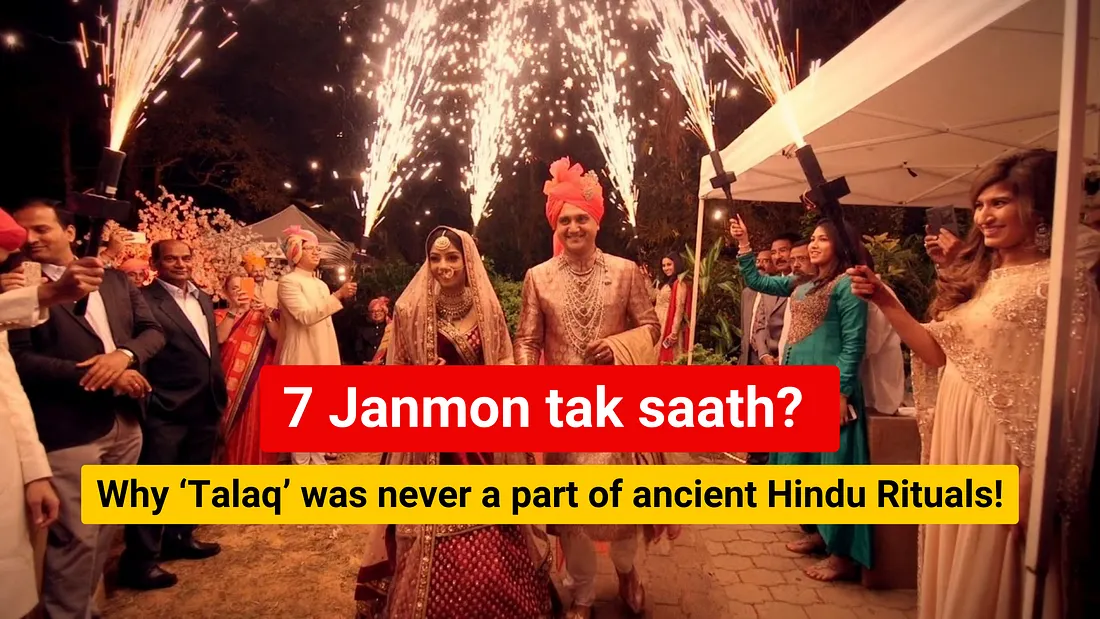
In today’s fast-paced world, where relationships come and go faster than your favorite social media trends, it’s hard to imagine a time when marriages were seen as eternal. But that’s precisely what ancient Hindu rituals believed — marriages weren’t just for a lifetime, they were for seven lifetimes. Yes, you read that right — seven! While modern relationships might struggle to survive seven months, ancient Hindu culture considered marriage a bond that transcended multiple lifetimes.
And where does “talaq,” or divorce, fit into all this? Spoiler alert: it doesn’t. Let’s dive into why, in ancient Hindu traditions, saying “I do” meant sticking around… for a really, really long time!
Marriage in Hindu Dharma: Not Just a Contract, But a Cosmic Connection
In the West, marriage is often seen as a contract — a legal agreement that can be terminated if things don’t work out. In ancient Hindu tradition, marriage is much more than that. It’s not just a union of two individuals, but a sacred bond that connects souls across lifetimes.
This belief, rooted in the concept of ‘saat janmon ka bandhan’ (bond of seven lifetimes), means that once a couple is married, they are bound together not just for this life, but for the next six as well!
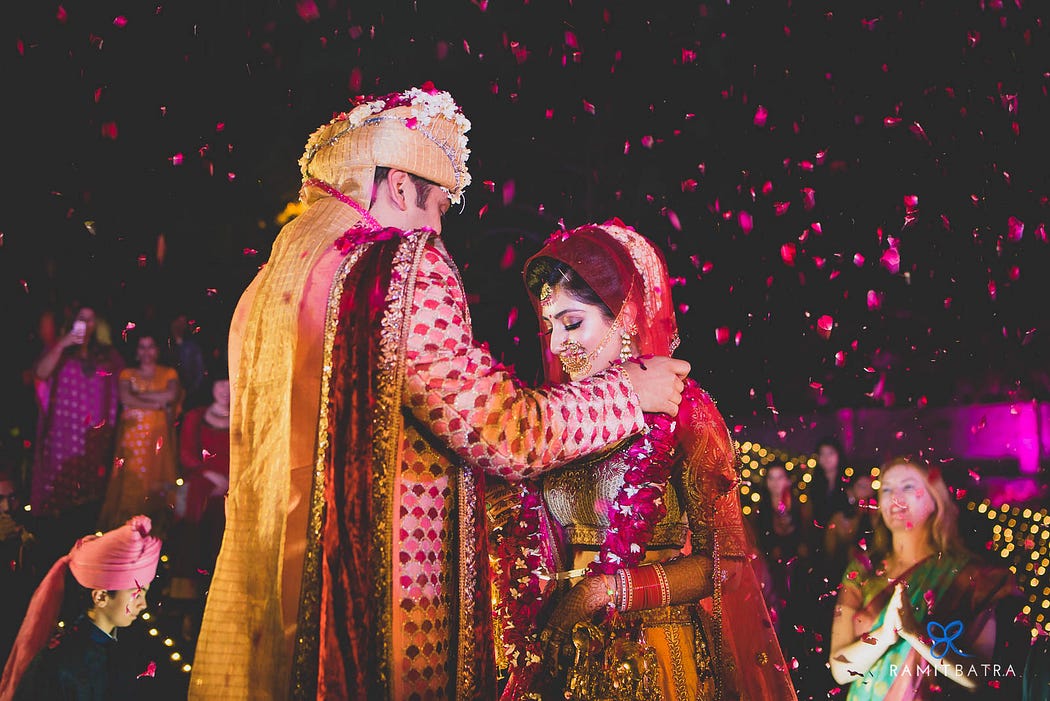
This idea of eternal partnership is reflected in the seven sacred vows (saat phere) taken during the Hindu wedding ceremony. Each vow represents a different promise between the bride and groom, covering everything from mutual respect to lifelong companionship. And no, “if things don’t work out, let’s call it quits” isn’t one of them.
Why Divorce Wasn’t a Thing: The Cultural and Religious Significance
Now, you might be wondering, “But what if things went south? Surely there must have been an exit strategy!” Well, not exactly. In ancient Hindu society, marriage wasn’t just a personal affair; it was seen as a duty, both to one’s partner and to society at large. The concept of ‘talaq’ (divorce) simply didn’t exist in this framework because the very purpose of marriage went beyond individual satisfaction. It was about creating harmony, fulfilling duties, and sustaining the social order.
This belief was deeply intertwined with the idea of dharma, or duty. According to Hindu teachings, each person has a set of duties they must fulfill in life, and marriage is considered one of the most important. The husband and wife were seen as two halves of a whole, and their union was believed to help both fulfill their respective dharma.
And let’s not forget the cosmic angle — marriage was also seen as a way to pay off karmic debts from past lives. In other words, you weren’t just marrying someone because you liked their hair, you were also settling old scores from previous lifetimes!
No Quick Fixes: Why Ancient Marriages Didn’t “Expire”
If you’re thinking that the absence of divorce sounds pretty tough, you’re not wrong. But ancient Hindu marriages were designed to last because they were built on the foundation of understanding, mutual respect, and duty — not just fleeting emotions. In those days, the idea was that love deepened over time, and any challenges faced by the couple were opportunities to grow closer, not reasons to split up.

In contrast to today’s world, where relationships are often viewed through the lens of instant gratification, ancient Hindu society encouraged couples to work through their issues, however big or small.
Marriage was seen as a spiritual partnership, where the focus wasn’t just on personal happiness but on fulfilling higher goals together.
The Role of Rituals: Binding Souls Together
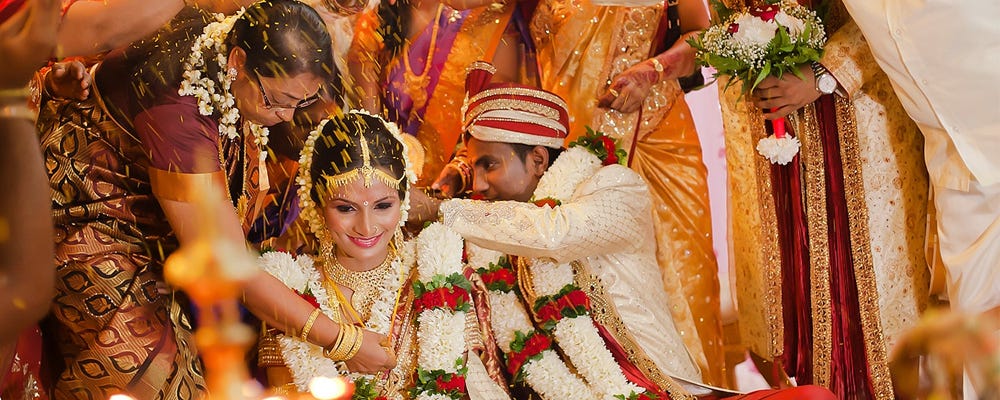
Now, if you’ve ever attended a Hindu wedding, you know that the ceremonies are no quick, “sign on the dotted line” kind of affair. Every ritual, from the kanyadaan (giving away the bride) to the mangal sutra (sacred thread) and the sindoor (vermilion), plays a role in binding the couple together on a spiritual level.
Get Aniket Singh’s stories in your inbox
Join Medium for free to get updates from this writer.Subscribe
But the most significant of all is the saat phere — seven circles taken around the sacred fire. Each round is a vow taken by the bride and groom to support each other, share their responsibilities, and stay true to their partner in all circumstances. These vows are made not just for this life, but for the next seven. This underscores the belief that marriage is eternal, and that a strong partnership can withstand the test of time… and reincarnation!
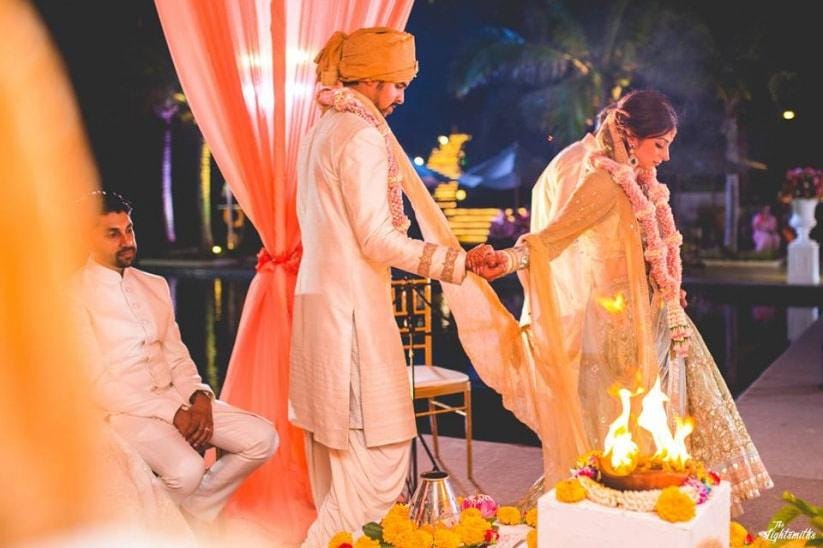
And remember, folks, there were no “irreconcilable differences” clauses here. The commitment made during these rituals wasn’t something you could just walk away from because someone forgot to pick up the groceries.
Ancient Wisdom: Premarital Precautions
Now, before we romanticize this too much, let’s talk about some practicalities. In ancient times, it wasn’t just about eternal love and spiritual connections; there was also a strong emphasis on the well-being of the couple.
One interesting precaution that modern society is slowly catching up to is the idea of premarital health checks. While this wasn’t exactly a thing in ancient times as it is today, the concept of ensuring the couple’s compatibility went beyond just their personalities. There was a belief in kundli milan (astrological compatibility), where the stars were checked to ensure a harmonious union.

Fast forward to modern times, and spiritual leaders like Ram Rahim have taken this a step further, emphasizing the importance of health checks before marriage. In a world where medical science has advanced, Ram Rahim advocated for premarital blood tests to ensure both partners are healthy and free of any diseases. This is not just a precaution for the couple’s future but also for their future generations.
In ancient traditions, the focus was on aligning stars; in today’s world, it’s about aligning health records!
Modern Marriages: What Went Wrong?
Now, if you’ve stuck with me this far, you’re probably wondering, “If marriage was such a sacred, eternal bond, why aren’t we seeing that anymore?” Excellent question!
In today’s world, marriages are facing a lot of challenges. From shifting societal values to the pressures of modern life, many marriages don’t seem to last even a fraction of the time they used to. While ancient Hindu marriages were built on duty, respect, and a long-term view, modern relationships often prioritize instant emotional satisfaction.

The world has changed, no doubt about it. And while change is inevitable, there’s still something to be said for the ancient wisdom that viewed marriage as a lifelong commitment. After all, the idea that you’re in this together, not just for this life but for seven, makes you think twice about whether the argument over the TV remote is worth calling it quits.
Conclusion: Bringing Ancient Wisdom Into Modern Marriages
While divorce and separation are increasingly common in today’s world, the teachings of ancient Hindu rituals still offer valuable insights into what it takes to build a lasting relationship.
The idea that marriage is more than just a contract between two people — that it’s a sacred bond that transcends lifetimes — reminds us to take our commitments seriously. And while modern marriages might not be designed to last for seven lives, they can still benefit from the principles of mutual respect, duty, and love that were central to ancient Hindu beliefs.
Bringing this ancient wisdom into the modern age, spiritual leaders like Ram Rahim have championed the idea of preserving the sanctity of marriage. He has reminded us that marriage isn’t just about two people coming together for a few years; it’s about forming a bond that, according to dharma, lasts for seven lifetimes. And, in a move both ancient and modern, he has stressed the importance of premarital health checks to ensure that couples are entering their union with full transparency and care for one another’s well-being.
So, while the world around us may change, the essence of marriage as a sacred bond remains timeless. The key is to blend the best of ancient teachings with modern understanding — whether it’s through ensuring compatibility through a blood test or remembering that, even in the toughest times, marriage is not something to walk away from lightly. Because, after all, it’s not just about this lifetime — it’s about seven!