


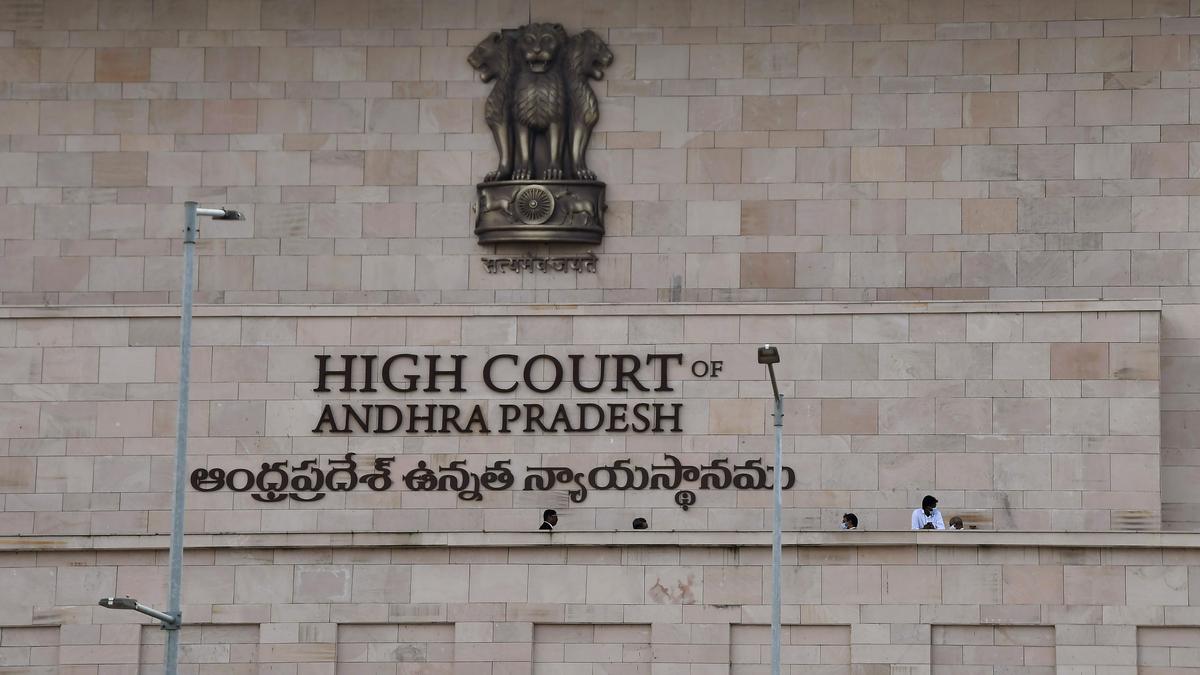
TTD Should Deploy AI in Parakamani Process to Reduce Scope for Theft, Observes Judge of Andhra Pradesh High Court
In a significant development on Tuesday, Justice Gannamaneni Ramakrishna Prasad of the Andhra Pradesh High Court made notable observations regarding the Tirumala Tirupati Devasthanams (TTD) and its handling of the Parakamani process, which involves the segregation of currency notes, coins, and other offerings made to the deity. The judge’s comments come against the backdrop of several reported instances of theft that have raised concerns about the integrity of these sacred offerings.
Calls for Mechanisation and AI Integration
Justice Prasad emphasized the urgent need for the TTD to mechanise the Parakamani process, suggesting that such a transition would enhance the accuracy and security of counting and assessing the value of offerings. He highlighted that an automated system could significantly reduce human intervention, thereby diminishing the chances of misappropriation and theft. This recommendation aims not only to improve operational efficiency but also to safeguard the sentiments of the devotees who contribute their offerings with reverence and faith.
Enhanced Monitoring Through AI-Equipped CCTV
Additionally, the judge proposed the integration of artificial intelligence (AI) into the existing CCTV systems at the TTD for superior monitoring capabilities. This advancement is envisioned to bolster security measures and ensure that any irregular activities are promptly detected and addressed. By equipping surveillance systems with AI, the TTD would be better positioned to monitor the Parakamani process while maintaining accountability.
Legal Proceedings and Future Considerations
The judge’s observations came during the hearing of a batch of writ petitions concerning the Parakamani theft case. He stated that while the TTD should adhere to the principles espoused in the Agama Shastra regarding the counting of offerings, the shift of these processes outside the temple premises may allow for adjustments that do not contravene traditional teachings. As such, Justice Prasad suggested that transitioning from manual to automatic handling of offerings could be a beneficial change.
He also mentioned concerns regarding the ongoing practice of outsourcing these responsibilities, advocating instead for more direct management by the TTD to enhance accountability and transparency.
Stakeholder Reactions
In this context, senior counsel Unnam Muralidhar Rao, representing the advocate-on-record Prudhvi Raj Komara—who is the implead petitioner for the Andhra Pradesh Sadhu Parishad—expressed that Justice Prasad’s comments were robust and necessary. Rao indicated that the court is open to receiving suggestions from stakeholders on how best to prevent any irregularities in the execution of the Parakamani process.
Conclusion: A Path Forward
As the court prepares for its next session on December 19, there is a clear sense of urgency and hope that the TTD will take proactive steps to enhance the security and integrity of the offering process. The implementation of AI and mechanisation could herald a new era for the TTD, combining tradition with modern technology to protect the sanctity of the offerings made by the millions of devotees who visit the temple.