


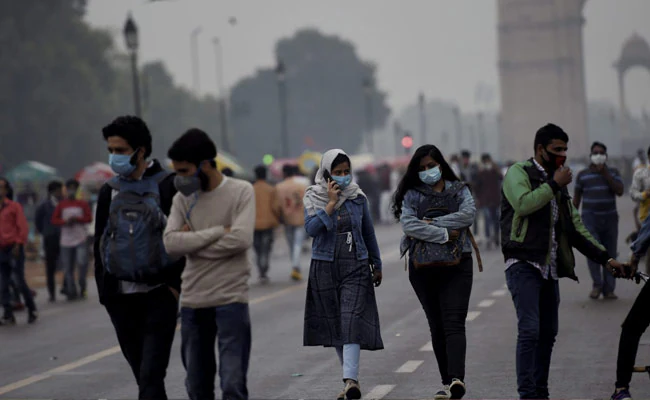
Delhi’s iconic winter, synonymous with thick fog, bone-chilling cold waves, bonfires, and steaming chai, has vanished in 2025. Residents lament “Where is Dilli ki sardi?” As temperatures hover above normal, pollution haze lingers without purifying frost, and woolens stay packed away. This mild winter—devoid of sub-4°C lows and classic cold snaps—marks a stark departure from tradition, driven by weak weather systems, neutral climate patterns, and long-term shifts. Keywords: Delhi winter 2025, mild weather, no cold wave, climate change Delhi, Western Disturbances failure, La Niña absent, pollution haze vs fog, Dilli ki sardi missing.
Historical “Dilli ki Sardi” Benchmark
Delhi winters traditionally start in November with crisp air at 10-15°C daytime highs and 4-7°C nights, intensifying to cold waves by December-January where temperatures drop below 4°C for days. Iconic features include pea-soup fog cutting visibility to 50 meters, heavy Himalayan snowfall fueling cold northwest winds, and Western Disturbances sparking rain-snow cycles that chill the plains. Peak years like 2024 saw five cold wave days, with early 2025 forecasts under La Niña promising more—yet none arrived.
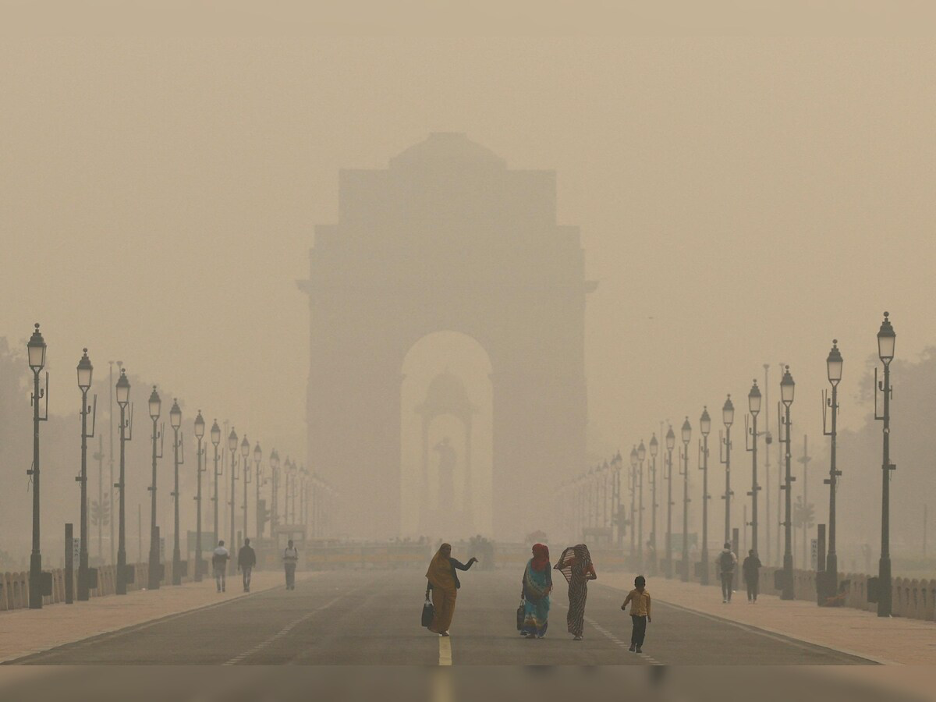
Historical records highlight variability: Warm Octobers like 1901’s echoed 2025’s delayed onset, but chills typically followed post-monsoon. Cultural staples—bonfires dubbed “Pajama Party,” rewri stalls with roasted bhutta, metro fog delays—defined the vibe. In 2025, mid-December data shows zero cold wave days, highs at 20-23°C, nights above 10°C—warmer than autumns. This disrupts agriculture, delaying wheat sowing and boosting pests across North India.
Culprit #1: Feeble Western Disturbances
Western Disturbances (WDs), extratropical cyclones from the Mediterranean, power 80% of Delhi’s winter precipitation and cold through Himalayan snow. In 2025, they weakened dramatically: October-November rainfall deficit reached 100%, with only a single December downpour that warmed instead of chilled. Lacking heavy snow in Jammu-Kashmir, Himachal, and Uttarakhand, cold air flow to Indo-Gangetic plains halted, keeping temperatures 3-5°C above average.
IMD records confirm no major WD phases until mid-December, unlike 2024’s frequent hits. Disrupted jet streams, from polar vortex weakening, rerouted storms north, skipping northwest India. Without rain-fog resets, high-pressure stagnation built warmth. Farmers report insufficient rabi chill hours; urbanites miss fog romance. Keywords: Western Disturbances 2025 weak, Himalayan snow deficit, no cold winds Delhi.
Culprit #2: La Niña’s No-Show
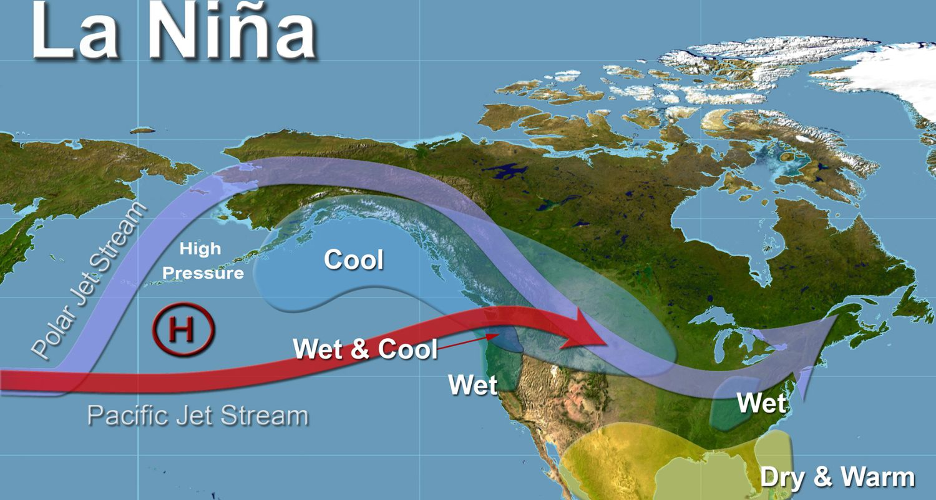
La Niña, the cool Pacific phase, boosts Delhi winters by strengthening easterlies that trap cold air—recall 2022’s records. 2025 forecasts hyped a brutal season under emerging La Niña, eyeing the coldest winter in decades for Delhi-NCR. ENSO turned neutral by winter, muting effects: Fewer amplified cold waves, subdued WDs.
NOAA and IMD updates confirm neutral persistence through December 2025, unlike El Niño’s 2023-24 heat but shy of La Niña peaks. This balanced zone cut sub-zero Himalayan chills and wind intensity. La Niña years average 7-10 cold days; 2025 had zero. Models suggest weak La Niña post-January, too late for 2025 sardi. Keywords: La Niña 2025 neutral, ENSO impact Delhi winter, no cold wave forecast fail.
Rainfall Deficit & Fog-Pollution Swap
Winter fog needs post-monsoon moisture: January 2025 rainfall lagged 65%, February near-zero, breaking the cycle. Moderate humidity (60-70%) from absent WDs prevented dense fog. Stagnant air bred pollution haze—AQI 300-400—trapping urban heat, lifting nighttime lows.
Traditional fog deposits pollutants; 2025 haze retains them, forming a warm “smog blanket.” IMD reports no visibility under 200m, versus routine 50m peaks. Health suffers: No cold respites, extended PM2.5 exposure. Dry soils delay agri chilling for 10 million NCR rabi hectares. Keywords: Delhi rainfall deficit 2025, pollution haze vs winter fog, AQI winter 2025 high.
| Factor | Typical Winter | 2025 Reality | Impact |
| Rainfall (Oct-Feb) | 150-200mm | <50mm (70% deficit) | No fog, warm nights |
| Cold Wave Days | 5-10 | 0 | No sub-4°C chills |
| Himalayan Snow | Heavy (500mm+) | Minimal | Weak cold advection |
| AQI Avg | 250-350 (fog aids) | 350-450 (haze traps) | Prolonged health crisis |
Urban Heat Island Amplification
Delhi’s concrete growth worsens mildness: 2025 urban heat islands raised city temps 2-3°C over rural NCR like Ayanagar. Green cover down 22% since 2010 retains daytime heat, slowing night cooling. Emissions and dust amplify haze, simulating warmth sans bite.
MODIS satellite data shows 2025 nights at 12-14°C versus historical 7-9°C. GRAP stages falter without cold dispersal. December AC use highlights absurdity. Keywords: Delhi urban heat island 2025, city warming winter, green cover loss impact.
Climate Change: The Long Game
Global warming marks 2025: Warmest October since 1901 delayed onset; Arctic amplification wobbles jets, weakening WDs. North India winters warm 0.3°C/decade, cutting cold extremes. 2025 aligns: 20% fewer cold days than 2000s, 15% less Himalayan snowpack.
Analysis probes “Delhi’s real winter” loss to human shifts. By 2030, sardi may shrink to 40-50 chill days from 60-70. Needs: Heat-resilient crops, afforestation. Reddit rants on mild winters peak 2025. Keywords: Climate change Delhi winter, global warming mild sardi, future no cold wave.
Health & Lifestyle Disruptions
Mildness boosts diseases: No frost lets mosquitoes thrive, dengue up 15% December. Pollution exposure without snaps raises asthma 25%. Gyms over parks; “winter bodies” lag. Tourism dips: Fewer snow trips to Jim Corbett, Mussoorie.
Economy: Rewri sales down 40%, wool slumps. Energy savings offset culture loss. Keywords: Delhi winter health impact 2025, lifestyle no sardi, economic mild winter loss.[
Comparisons: 2025 vs Past Winters
| Year | Cold Days | Avg Dec Min (°C) | Key Driver | Outcome |
| 2022 | 12 | 4.2 | Strong WDs | Intense fog, chills |
| 2024 | 5 | 6.5 | Moderate La Niña | Standard sardi |
| 2025 | 0 | 10.8 | Neutral ENSO, weak WDs | Mild, hazy |
2025 stands out as an outlier.
What Lies Ahead?
IMD eyes late December WD chill, no sustained wave till 2026 January. Long-term: Adapt beyond nostalgia via planning. Share missing sardi tales!