


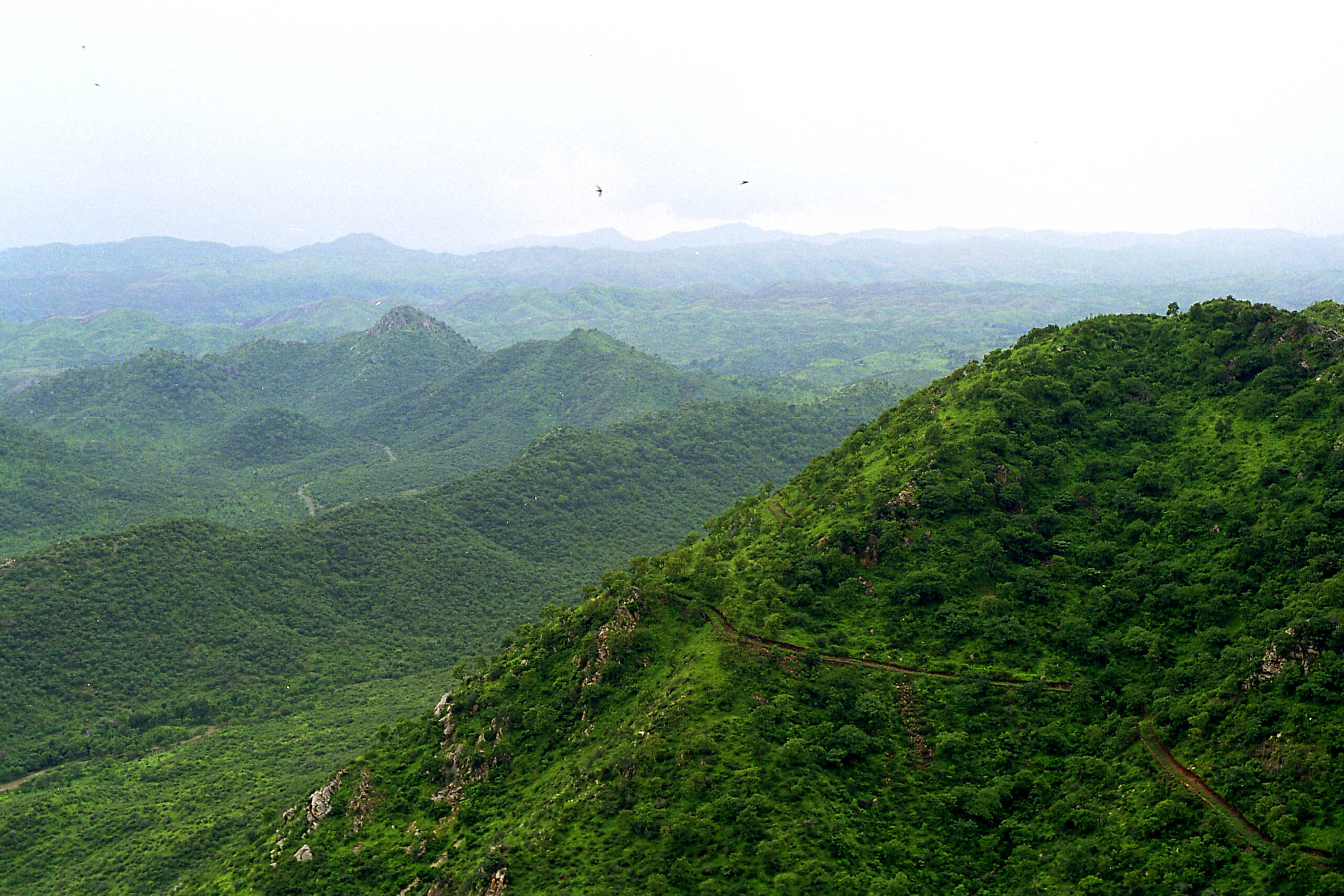
The Aravalli Hills, Earth’s oldest mountain range at over 2.5 billion years old, face an unprecedented existential threat from the Supreme Court’s November 20, 2025, ruling adopting the 100-meter definition. This bombshell decision limits protection to hills rising at least 100 meters above local relief, potentially stripping safeguards from 90% of the range across Rajasthan, Haryana, Delhi, and Gujarat, igniting #SaveAravalliHills trending fury amid fears of Thar Desert expansion, NCR pollution spikes, groundwater depletion, and biodiversity collapse in hotspots like Sariska Tiger Reserve.
Shocking 100-Meter Rule Breakdown: What Changed?
Imagine a 700-km ancient spine, once rivaling the Himalayas in grandeur, now sliced by height alone. The Supreme Court accepted the Centre’s criteria: Aravali Hills are defined as landforms exceeding 100 meters above surrounding terrain, with “ranges” formed by clusters within 500 meters. Haryana echoed this with its own 100m height criterion linked to billion-year-old rocks, sidelining vital scrub forests and slopes.
Forest Survey of India (FSI) data stuns: In Rajasthan alone, 12,081 hills stand over 20 meters, but only 1,048 surpass 100 meters—leaving 90% without the “green shield.” FSI had red-flagged this shift, warning it guts protections against Thar Desert creep. Experts brand it a “death warrant” for the mountains, as illegal mining scars sacred sites tied to Saptarishis, Pandavas, and visible “Om” shapes from satellites.
This redraw ignores ecological function—lower hills block eastward dust flows, regulate microclimates, and recharge aquifers. No broader halt on development activities followed; the court banned fresh mining leases pending expert reports but greenlit potential “sustainable mining” in redefined zones, with boundary clarifications on December 17, 2025.
Ecological Lifeline at Stake: Green Lungs of NCR
Stretching two-thirds through Rajasthan, plus Haryana, Delhi, and Gujarat, the Aravallis aren’t mere ridges—they’re India’s desert firewall. Formed 2.5 billion years ago via tectonic fury, they eroded from Himalayan-scale peaks into low sentinels halting Thar Desert sands, preventing NCR dust storms that choke Delhi’s skies.
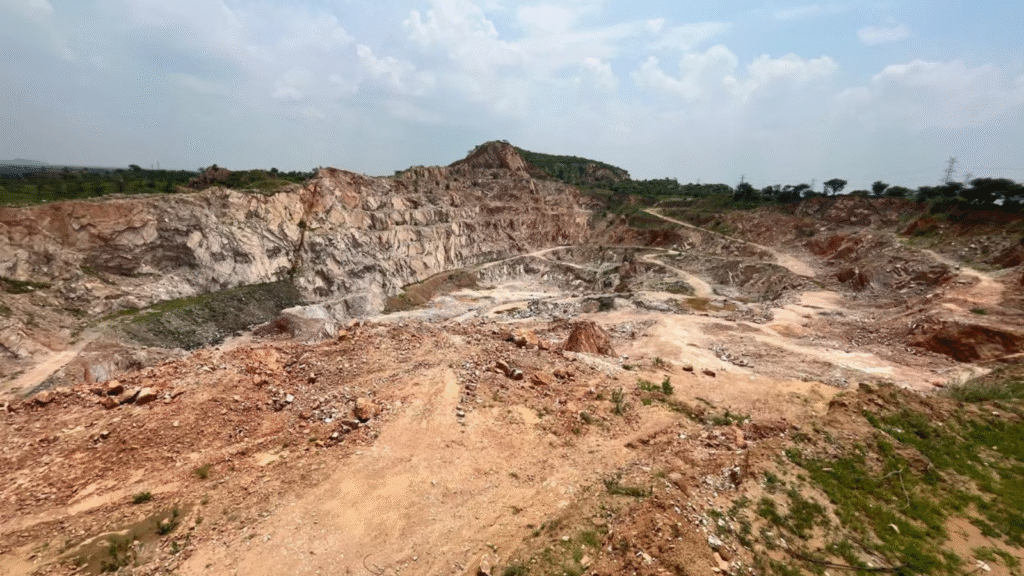
Biodiversity thrives here: Sariska Tiger Reserve shelters tigers, leopards, birds; scrub forests host microbes and endemic species. They form groundwater recharge zones, critical amid India’s water crisis. Mining blasts already pockmark the range, spiking pollution—unprotected, Thar advances, habitats shatter, and air quality plummets.
Satellite imagery reveals sacred geometries; culturally, they’re linked to Mahabharata lore. Yet decades of legal/illegal mining, urbanization, and now the 100-meter rule accelerate degradation. FSI notes lower hills’ role in dust blockade—ignored, desertification looms.
| Key Stats: Aravalli Hills Under Siege | Figure | Impact |
| Total Length | 700 km | Spans 4 states |
| Rajasthan Hills >20m | 12,081 | Core of range |
| Hills >100m (Protected) | 1,048 | Only 10% shielded |
| Vulnerability | 90% Exposed | Mining, development risk |
| Age | 2.5 Billion Years | Oldest fold mountains |
Supreme Court Ruling Deep Dive: Mining Ban Loopholes?
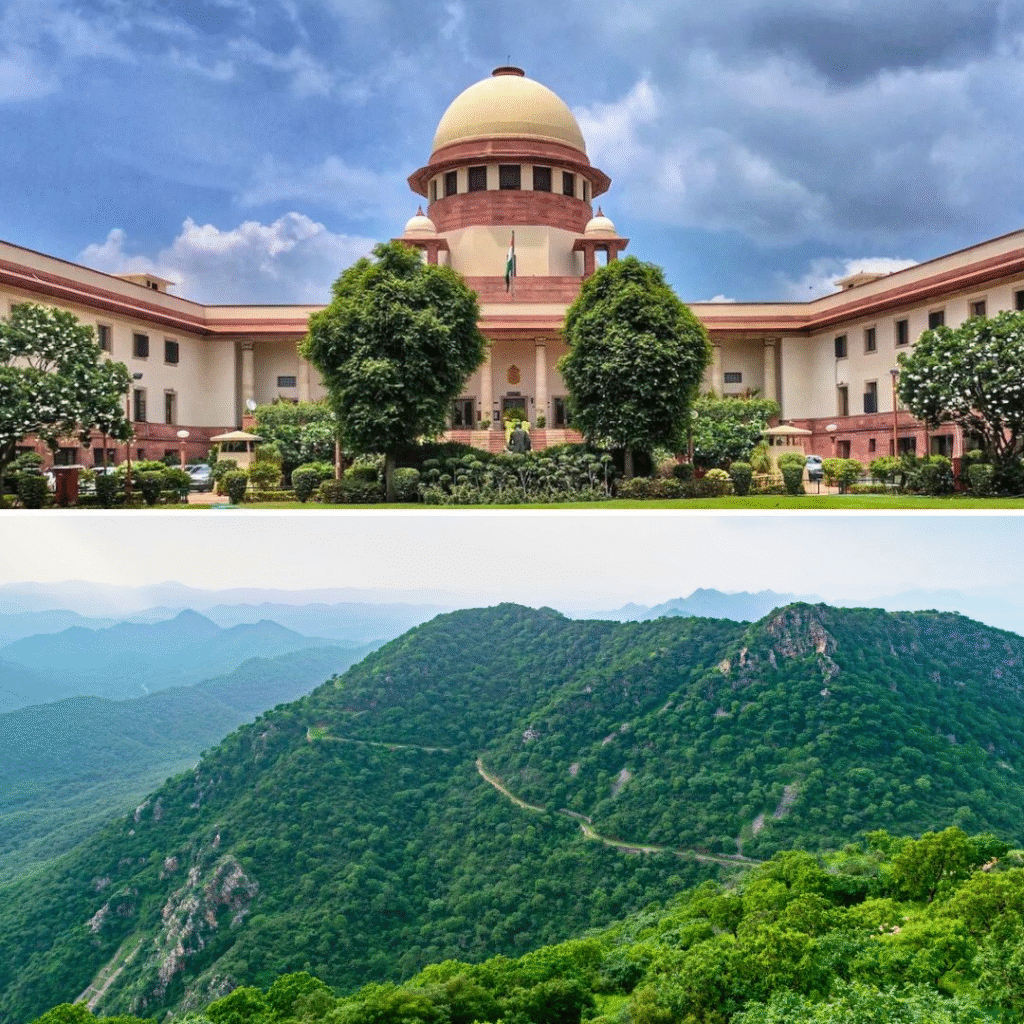
On November 20, 2025, justices adopted the uniform definition after amicus curiae debates, banning fresh mining leases until committees map boundaries and assess “sustainable” options. December 17 clarification regulated mining but stopped short of development halts—no statements block construction or projects post-100-meter rule.
Critics slam reliance on a single committee: Haryana’s billion-year rock tie-in dismisses slopes vital for wildlife corridors. People For Aravallis petitions demand recall, pushing Critical Ecological Zone status. “Redraws India’s oldest hills into a miner’s playground,” one report blasts.
Past interventions faltered; 2025 weakens them. No eco-sensitive zoning enforced uniformly—political-industry pressures favor extraction over restoration.
Public Outrage Explodes: #SaveAravalliHills Goes Viral
#SaveAravalliHills floods X (formerly Twitter) as of December 20, 2025! Jaipur seminars decry the folly, urging alternative building materials to slash mining demand. Activists highlight spiritual erasure—Pandava trails, Saptarishi peaks—amid environmental apocalypse.
From Gurgaon protests to Gujarat rallies, voices unite: “Death warrant for mountains!” Petitions seek scientific reassessment using slopes, ecology over height. GroundXero warns of “ridge under siege”; The Wire calls it problematic for desert barrier.
Trending keywords amplify: Supreme Court 100-Meter Rule, 90% Aravali Hills lose protection, Forest Survey red-flagged, Thar Desert expansion, mining ban loopholes, NCR green lungs, Sariska Tiger Reserve, People For Aravallis petitions.
– Petition Demands: Recall judgment; declare Critical Ecological Zone
– Expert Calls: Slope-based metrics; halt near habitations/water/wildlife
– Restoration Push: Afforestation lags destruction
– Cultural Plea: Protect sacred Om shapes, ancient lore
Historical Journey: From Giants to Guardians
Born in Archaean eons, Aravallis towered before erosion sculpted ridges. They divided India’s west from east, blocking monsoons and deserts. British-era mining began plunder; post-independence, courts intervened sporadically.
Urban boom—Gurgaon highrises, Delhi sprawl—encroached. Illegal operations persist despite bans. 2025 ruling, per Leaflet, “redraws the landscape,” exposing scrub vital for leopards, birds.
Ominous Fallout: Desert, Dust, Depletion Ahead
Unfettered, Thar engulfs NCR—air quality crises worsen. Groundwater vanishes; biodiversity hotspots crumble. Critics demand function over feet: lower hills’ dust-trap role unmatched.
| Old vs. New Protection | Old (Broad) | New 100m Rule |
| Coverage | All hills >20m | Only >100m (10%) |
| Mining | Broad bans | Paused fresh leases; sustainable possible |
| Development | Restricted | No blanket stop |
| Ecology | Full shield | 90% at risk |
Political will clashes with eco-urgency. Restoration? Minimal vs. scars.
Rallying for Reversal: The Fight Ahead
– Immediate Actions: Map via experts; enforce no-mining buffers
– Long-Term: Eco-Sensitive Area across states; alternatives to mining
– Public Power: #SaveAravalliHills trends—share to amplify!
– Balanced Path: Development sans annihilation
The Aravallis: not rocks, but lifeline. Supreme Court’s 100-Meter Rule, Forest Survey warnings, 90% exposure—will outrage save them? Act now, or lose forever!