


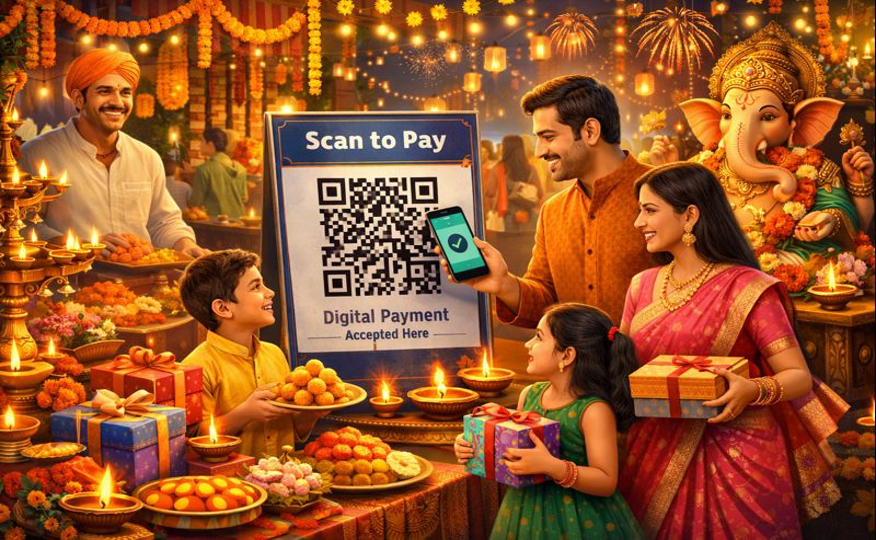
Festivals in India are no longer just about lights, sweets, and gatherings—they have quietly become a season of QR codes, UPI alerts, and instant payments. From buying gifts and booking travel to donating at temples and paying street vendors, digital payments have seamlessly blended into festive life.
While this digital shift has brought unmatched convenience, it has also opened the door to financial frauds that thrive on excitement, urgency, and emotional spending. The festive season, therefore, calls not just for celebration, but for financial awareness and digital safety.
The Festive Surge in Digital Transactions
During festivals like Diwali, Navratri, Eid, Christmas, and regional fairs, digital transactions see a sharp rise. People increasingly prefer:
- UPI payments at local markets
- Online shopping for festive discounts
- Digital gifting and cash transfers
- App-based donations and ticket bookings
The reasons are simple:
- Speed and ease
- Cashless convenience
- Wide acceptance even by small vendors
- Attractive offers and cashback
However, the same speed that makes digital payments convenient can also make mistakes and frauds faster and harder to reverse.
Why Festivals Attract Digital Fraudsters
Fraudsters often plan their activities around festive periods because people are:
- Emotionally charged and less cautious
- Spending more than usual
- Engaging with unfamiliar sellers or platforms
- Clicking on discount links and promotional messages
Common festive-season fraud tactics include:
- Fake shopping websites offering “festival mega sales”
- Phishing messages claiming rewards or refunds
- Fake customer care numbers circulated online
- QR code scams asking users to “receive money”
- Fraudulent donation appeals using religious or emotional messaging
These scams succeed not because people are careless, but because fraudsters exploit trust, urgency, and festive goodwill.
Understanding the Most Common Digital Payment Frauds
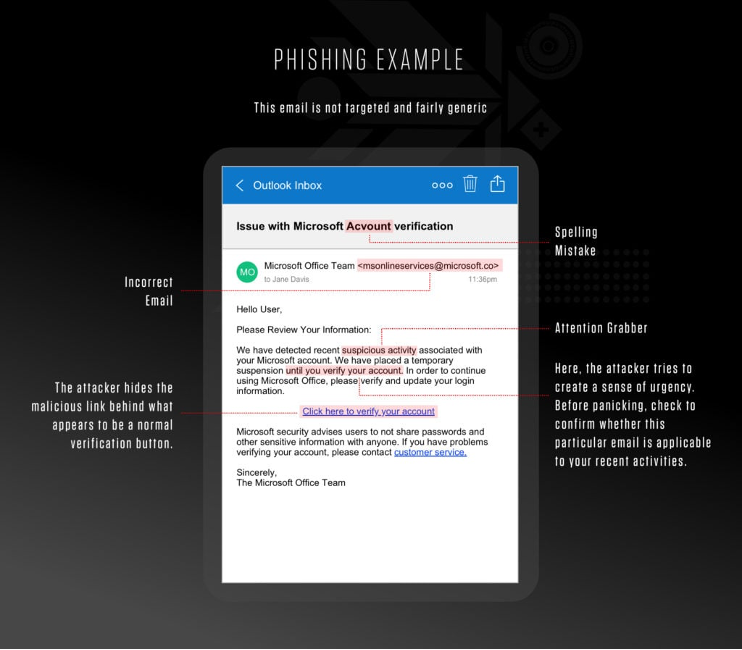
1. Phishing Messages and Links
Fraudsters send SMS, WhatsApp, or email links claiming:
- Festival cashback
- Bank account verification
- Delivery issues or refunds
Clicking such links can lead to fake pages that steal login credentials or OTPs.
2. Fake QR Code Requests
Scammers ask users to scan a QR code to “receive money”. In reality, scanning initiates a payment from the victim’s account.
3. Impersonation of Customer Support
Fake helpline numbers appear on social media and search results. Once contacted, scammers extract sensitive details under the guise of “help”.
4. Online Shopping Frauds
Festive discounts lure users to fake websites or social media pages that disappear after receiving payments.
Simple Digital Safety Practices During Festivals
Enjoying digital convenience does not mean compromising safety. A few mindful habits can prevent major losses:
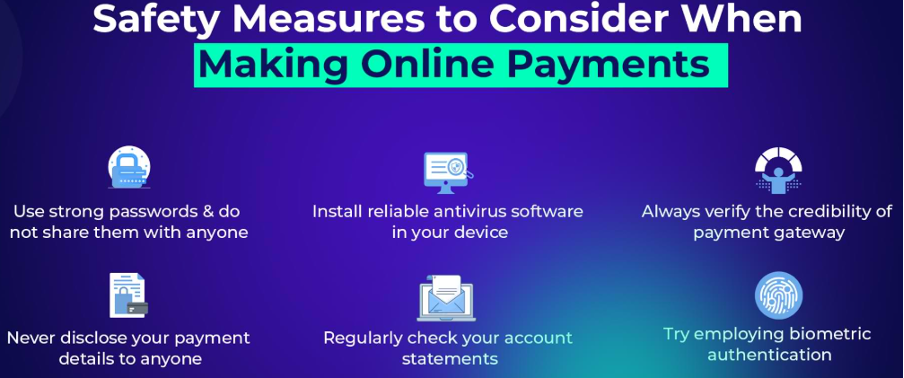
- Never share OTPs, PINs, or passwords, even with someone claiming to be from a bank
- Do not click unknown links, especially those promising rewards or refunds
- Verify websites and sellers before making payments
- Use official apps and platforms only
- Check QR code instructions carefully—receiving money never requires scanning
- Enable transaction alerts and daily limits on payment apps
Digital safety is not about fear—it is about awareness and control.
Role of Awareness Campaigns and Institutions
Banks, fintech companies, and government bodies have intensified fraud awareness campaigns, especially during festivals. Regular alerts, in-app warnings, and public advisories are reminders that technology works best when users stay informed.
Educational initiatives in schools, community centres, and online platforms play a vital role in:
- Teaching first-time users safe digital habits
- Protecting senior citizens and rural users
- Building long-term trust in digital ecosystems
A digitally aware society is more resilient than a digitally dependent one.
Balancing Celebration with Conscious Spending
Festivals encourage generosity—donations, gifts, and helping others. Digital payments make this easier, but also demand responsible usage.
Before every transaction, one simple question helps:
“Is this payment verified, necessary, and secure?”
Mindful spending, combined with digital awareness, ensures that festivals remain moments of joy—not regret.

Conclusion: Celebrate Smart, Pay Safe
Digital payments have transformed the way festivals are celebrated in India. They offer freedom, speed, and inclusivity—allowing even small vendors and communities to participate in the digital economy.
However, true progress lies not just in adopting technology, but in using it wisely.
This festive season, let celebration be accompanied by caution, generosity by verification, and convenience by awareness. When digital payments are used responsibly, festivals remain what they are meant to be—a time of happiness, trust, and togetherness.