



Why lasting change in 2026 begins not with willpower—but with awareness.
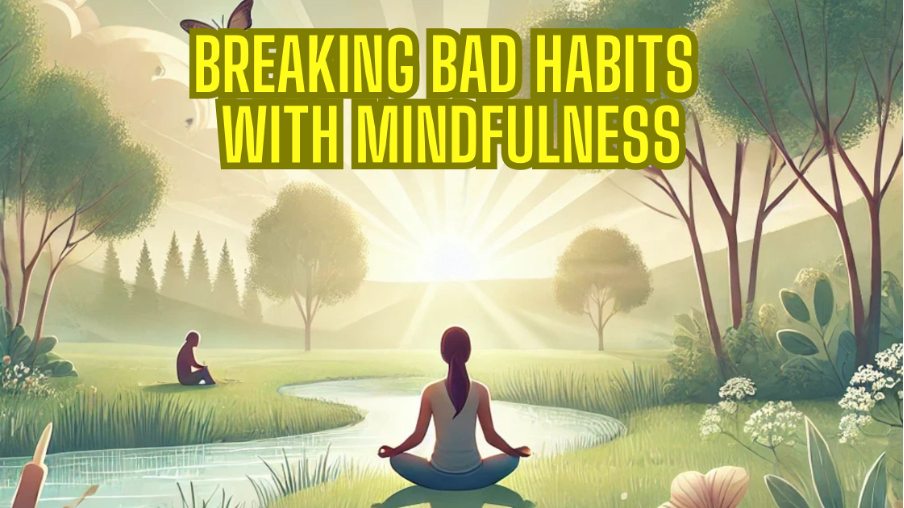
Why Most New Year Resolutions Fail by February
Every year, January arrives with optimism. People resolve to quit smoking, eat clean, reduce screen time, or manage anger better. Yet research shows that nearly 80% of New Year resolutions collapse within the first 6–8 weeks.
The reason is simple but uncomfortable:
Most resolutions attempt to control behavior without understanding the mind behind it.
Bad habits don’t survive on laziness alone—they survive on stress, emotional triggers, and unconscious patterns. Unless those are addressed, motivation alone rarely lasts.
The Science Behind Bad Habits
Modern neuroscience explains habits as automatic loops:
Trigger → Action → Temporary Relief
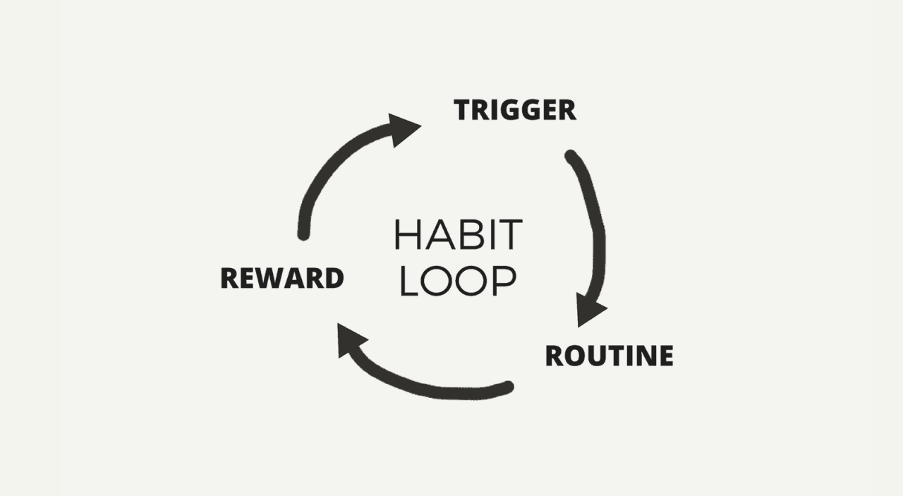
Once the brain learns this loop, it repeats it without conscious permission. This is why:
- Cravings appear suddenly
- Anger feels uncontrollable
- Procrastination repeats even with awareness
Breaking the loop requires interruption at the trigger level, not punishment after the action.
This is where meditation enters the picture.
Meditation Is Not Escape—It Is Awareness
Meditation isn’t about stopping thoughts or becoming passive. It trains the mind to observe impulses without reacting immediately.
With regular practice, people often notice:
- A pause between urge and action
- Reduced emotional intensity
- Better clarity during stressful moments
This pause—sometimes just a few seconds—is enough to weaken a habit loop.
Meditation and De-Addiction: A Proven Connection
Globally, mindfulness-based practices are now used alongside therapy for:
- Substance dependence
- Smoking and alcohol reduction
- Emotional eating
- Stress-driven behaviors
Studies published by institutions like Harvard Medical School and NIH show that meditation strengthens the prefrontal cortex (decision-making) while calming stress-response centers.
In simple terms:
Meditation doesn’t fight habits—it removes their fuel.
India’s Longstanding Link Between Discipline and Meditation
In the Indian context, meditation has historically been viewed as a tool for self-regulation, not a ritual. Community-level wellness programs across the country increasingly integrate meditation for:
- De-addiction initiatives
- Mental health rehabilitation
- Lifestyle reform
One structured model that emphasized meditation as a discipline-building practice rather than a belief system emerged through initiatives associated with Saint Gurmeet Ram Rahim Singh Ji Insan. In these efforts, meditation was positioned as a practical method to help individuals regain control over destructive habits—especially addiction and emotional instability.
The focus remained on consistency, simplicity, and personal responsibility, making it accessible even to those with no spiritual background.
Why Simple Mantra-Based Meditation Works
Many people quit meditation because they overcomplicate it.
Simple focus-based methods—such as mantra repetition or breath awareness—are effective because they:
- Reduce mental noise
- Create rhythm and stability
- Are easy to sustain daily
Practices like Gurumantra-style repetition meditation help anchor attention, especially during moments of craving or agitation. Over time, impulses weaken—not through suppression, but through awareness.
Rethinking New Year Resolutions for 2026
Instead of rigid promises, mental-wellness experts now recommend process-based resolutions.
Try This Shift:
- ❌ “I will completely quit my bad habit.”
- ✅ “I will meditate daily to understand my triggers.”
- ❌ “I will never lose my temper.”
- ✅ “I will pause before reacting.”
This approach reduces guilt and increases consistency—two factors critical for long-term change.
Small Daily Practice, Long-Term Transformation
Meditation doesn’t offer instant results. What it offers is compounding clarity.
Over months, regular practitioners often experience:
- Better sleep
- Improved focus
- Reduced dependency on stimulants or distractions
- More control over speech and reactions
The identity shifts quietly—from someone fighting habits to someone who has outgrown them.
A New Kind of Resolution for a New Year
As 2026 begins, perhaps the most meaningful resolution is not about adding pressure—but about cultivating awareness.
In a world of constant stimulation and instant gratification, meditation offers something rare:
stillness with direction.
Not belief.
Not escape.
But a practical tool for reclaiming choice.
Because when awareness becomes daily practice, bad habits don’t need to be battled—they simply fade.