


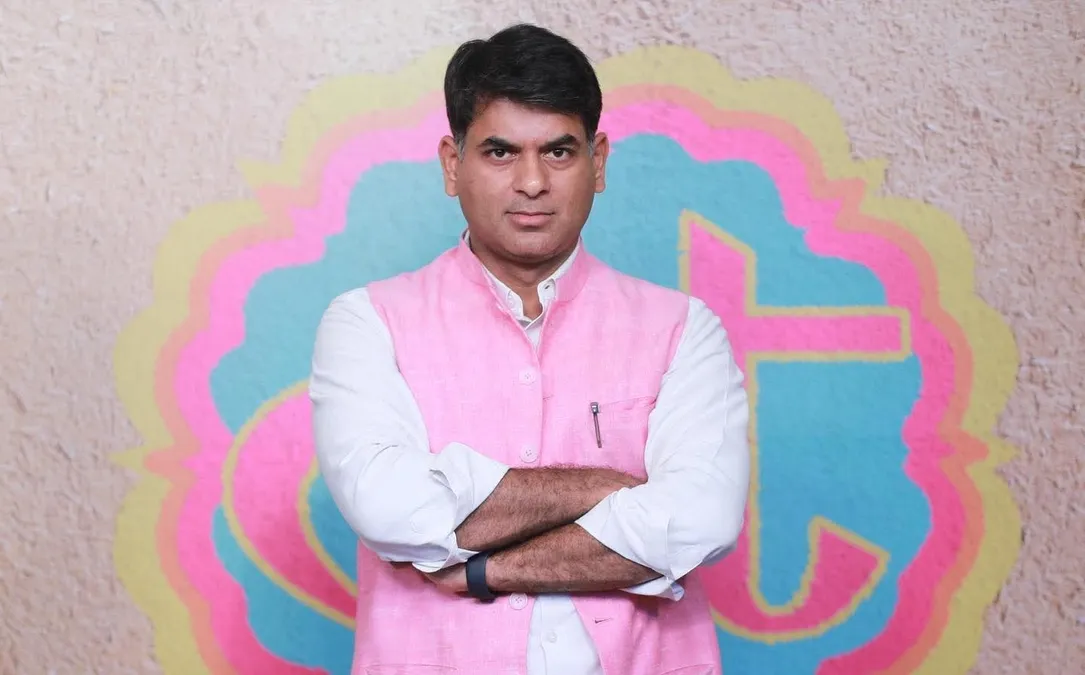
“Saurabh Dwivedi ka Lallantop se jana bilkul waise hi hai jaise Kapil Sharma ka The Kapil Sharma Show se jana, show chalta reh sakta hai, par jaan kahin peeche reh jaati hai. Brand wahi hota hai, par chehra aur awaaz nikal jaaye toh audience ko farq turant mehsoos hota hai.”
When Saurabh Dwivedi typed a calm, composed exit note on X, India’s digital media ecosystem immediately did the opposite, it went into overdrive.
After 12 years with India Today Group and building Lallantop from scratch into a cultural force, Dwivedi announced his resignation, citing a “leisure break” before his next move.
Officially, it’s clean. Professionally worded. Emotionally neutral.
Unofficially? Nobody buys the “just a break” story that easily.
The Announcement vs The Noise
Dwivedi’s exit statement was short and dignified—classic journalist restraint. But the timing raised eyebrows. Lallantop is still pulling massive numbers, Hindi digital news is hotter than ever, and Dwivedi’s personal brand has arguably never been stronger.
At the same time, Kuldeep Mishra steps in to lead the editorial team, while Rajat Sain takes charge of production. A smooth succession on paper—but transitions at this level are rarely just routine.
So Why Did He Really Quit? Let’s Talk Rumours (Not Claims)
No accusations here. No defamation. Just patterns the industry has seen before 👇
1. Creative Ceiling Syndrome
Lallantop was Dwivedi’s baby. But once a platform becomes a corporate asset, editorial freedom quietly starts sharing space with business KPIs. Several media insiders whisper that Dwivedi had “done all he could” within the group structure.
Translation:
👉 Visionary founders often outgrow the systems they helped build.
2. Burnout Is Real—Especially at This Scale
Running a Hindi-first digital newsroom isn’t just journalism; it’s 24×7 pressure, political scrutiny, algorithm anxiety, and audience backlash—all at once. A “leisure break” might sound soft, but in media language, it often means “I need oxygen.”
And frankly, after 12 years, that’s not weakness—it’s survival.
3. The Independent Media Temptation
This is the loudest rumour doing rounds.
In an era where journalists are launching their own YouTube channels, newsletters, and subscription platforms, Dwivedi doesn’t need a media house anymore. His credibility is the brand.
The unspoken question everyone’s asking:
Is Saurabh Dwivedi preparing to go independent?
No confirmation. But the silence is… interesting.
4. Internal Realignment?
Every large media group periodically reshuffles power centres. When editorial directions evolve—or clash—faces change. That doesn’t mean conflict; it means priorities shift.
And not every senior journalist wants to renegotiate their role every few years.
Tadka Talks Opinion: This Isn’t an Exit, It’s a Strategic Pause
Let’s call this out plainly—this doesn’t smell like fatigue alone, and it definitely doesn’t look like a silent retirement.At Tadka Talks, we see Saurabh Dwivedi’s exit less as a goodbye and more as a calculated reset. When a journalist at the peak of relevance suddenly chooses a “leisure break,” it’s rarely about rest; it’s about regaining control. Control over content, tone, pace, and—most importantly—independence. In today’s media landscape, where creators are becoming owners and audiences follow individuals more than institutions, Dwivedi doesn’t need Lallantop to stay relevant anymore. If anything, Lallantop needed Dwivedi’s face more than he needed its logo. Our blunt take? This move feels like the calm before a personal media play—something sharper, freer, and less corporate. Whether it’s an independent platform, a long-form political venture, or a creator-led newsroom, this exit looks intentional, not emotional. And if history is any indicator, India’s media scene should brace itself—because when voices like his step back quietly, they usually return much louder.
What This Means for Lallantop
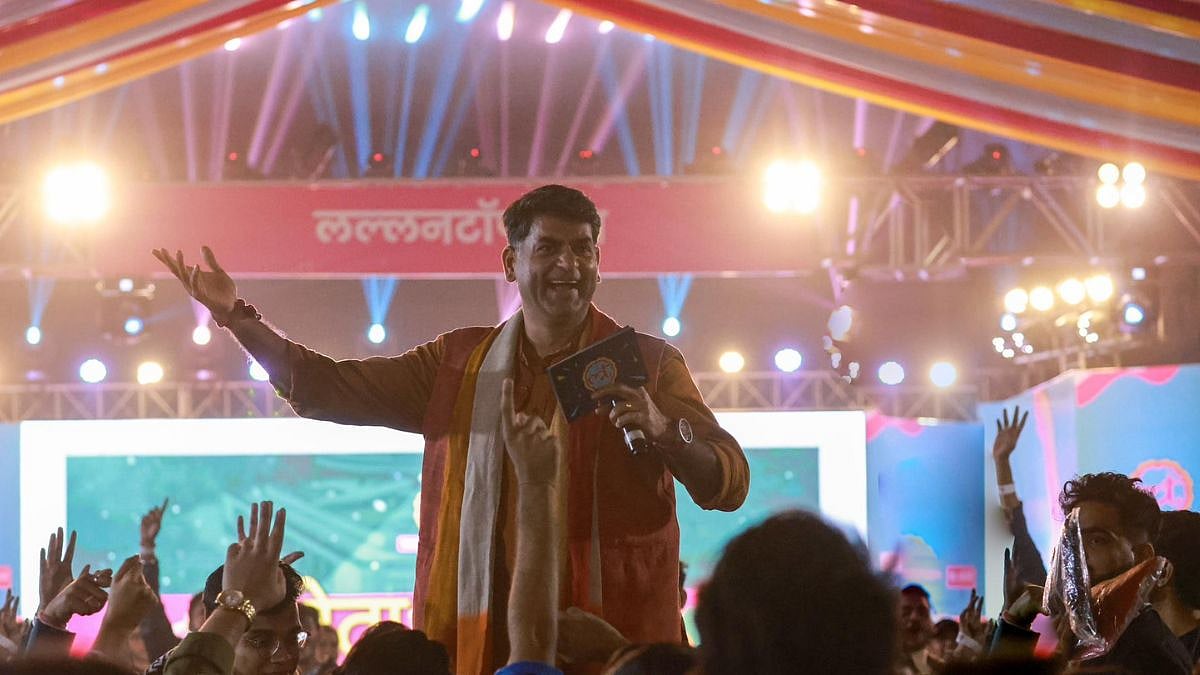
With Kuldeep Mishra taking editorial charge, Lallantop enters Phase Two—less founder-driven, more institution-led. That can bring stability… or dilution. The audience will decide.
One thing’s clear:
Saurabh Dwivedi didn’t just quit a job. He closed a chapter.
And knowing Indian media history, chapters like this are usually followed by something louder, bolder, and more personal.
For now, he says he’s resting.
The industry knows better: journalists don’t retire—they reload.