


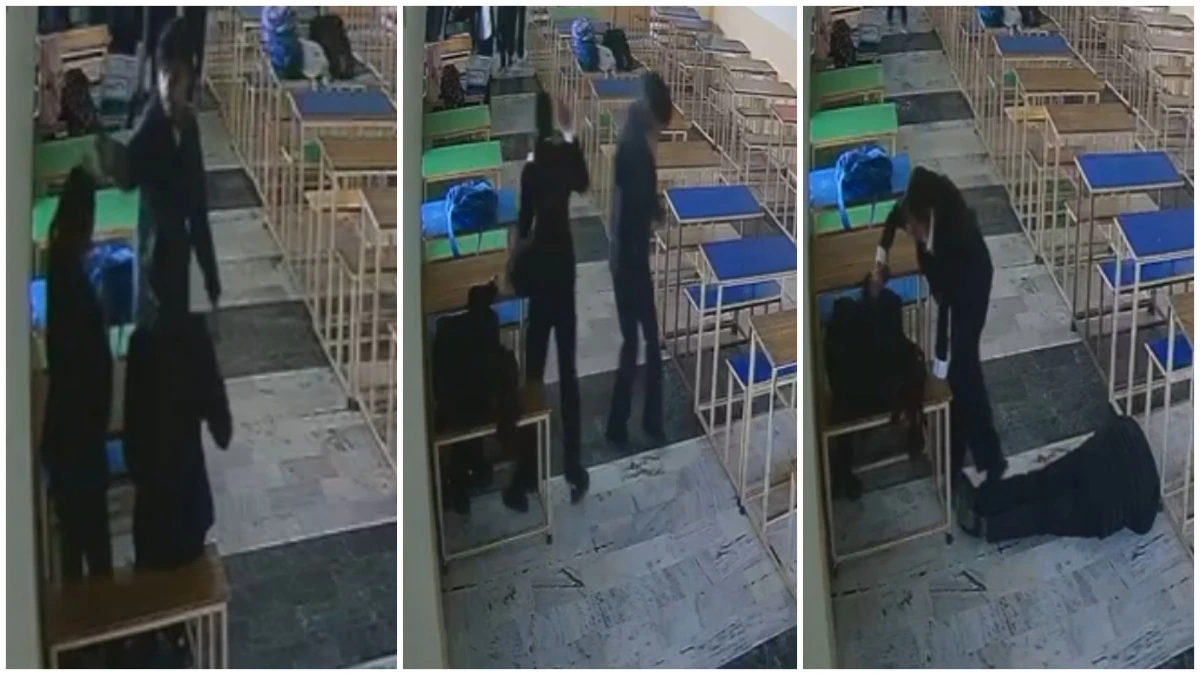
On the morning of February 9, 2026, a shock that will be etched in the memories of many unfolded inside a law college classroom in Punjab’s Tarn Taran district. A 20-year-old first-year law student allegedly took out a firearm inside the classroom of Mai Bhago Law College and shot his 19-year-old female classmate, Sandeep Kaur, in the head before turning the same gun on himself. Sandeep died on the spot. The assailant, identified as Prince Raj, was critically injured and taken to the hospital.
This incident, captured on CCTV and unfolding in just a matter of seconds, has not only horrified the local community but ignited a broader national conversation about youth mental health, personal relationships, campus safety, and the underlying societal stresses that may lead to such extreme acts of violence. 
What Happened That Day?
According to police reports, the shooting occurred in the classroom just before lectures were scheduled to begin. CCTV footage reportedly shows the accused, Prince Raj, first talking with Sandeep and another classmate before abruptly standing up and firing at her at point-blank range. He then turned the gun on himself. Other students present in the classroom fled in panic as the shocking event unfolded. 
Initial police investigations suggest that the attack may have followed a rejected personal advance or emotional distress related to a relationship — possibly connected to the recent Valentine’s Week, although the exact motive is still under investigation. 
Immediate Reactions
The tragedy generated immediate outrage and grief:
• Local authorities sealed the campus and launched a detailed probe into how the weapon was obtained and brought onto campus. 
• The victim’s mother publicly questioned the absence of campus security checks and demanded answers about how a student could bring a gun into the college. 
• Students described the scene as chilling and traumatic, with many struggling to come to terms with what they witnessed.
These reactions reflect the deep sense of shock experienced not only by the families involved but by students, teachers, and communities across the region.
A Larger Pattern: Not an Isolated Tragedy
When incidents like this occur, they do not happen in a vacuum. India has witnessed several tragic cases involving young people taking extreme action when confronted with emotional pressure, rejection, or distress. One well-known earlier case involved the 2020 murder of college student Nikita Tomar in Haryana — a young woman shot dead by a former classmate reportedly following a dispute over marriage proposals. 
While the specifics of each case differ, these tragic events share unsettling common threads: breakdowns in communication, lack of healthy emotional outlets, easy access to weapons, and an apparent inability among young people to cope with intense personal feelings in constructive ways.
What Are the Possible Underlying Causes?
The classroom shooting can be seen as a symptom of deeper societal issues. While only official investigations will reveal the specific motive, there are several broader factors worth considering.
1. Emotional Vulnerability and Lack of Support
Many young adults lack emotional maturity and coping mechanisms for handling rejection, stress, and interpersonal conflict. Growing up in competitive academic environments can exacerbate mental health challenges, especially when social pressure and expectations are high.
Feelings of rejection, humiliation, or unreciprocated affection can sometimes trigger emotional instability. Without proper support systems — be it family, counselling, or peer networks — young people may feel isolated and overwhelmed.
2. Mental Health Stigma
In many parts of society, mental health issues remain taboo. Young people struggling with anxiety, depression, stress, or emotional turmoil may hesitate to seek help. Without open conversations, available counselling, or awareness programs, these issues can escalate until they manifest in harmful or destructive behaviour.
3. Easy Access to Weapons
The use of a firearm in this attack highlights another disturbing concern: how the accused acquired a gun and brought it onto a college campus. In India, strict firearms regulations are theoretically in place, but improper storage, possession of unlicensed weapons, or lax enforcement can contribute to such tragedies.
4. Campus Safety and Preparedness
Educational institutions are generally expected to be secure environments where students can focus on learning. However, incidents like this reveal gaps in safety protocols and preparedness. There were reportedly no checks for weapons, no security screening, and no immediate response mechanisms within the campus — factors that allowed the attack to take place without early prevention.
5. Cultural Pressure and Masculinity Norms
In many cultures, including parts of Indian society, there are strong norms tied to honour, reputation, and relationships. Young men, in particular, may face pressure to conform to masculine ideals of power, control, and pride — which can make rejection or perceived loss intolerable. Without healthy frameworks for emotional expression, these norms can contribute to volatile reactions.
Concerns That Society Must Address Now
This tragedy is not just a law enforcement issue — it is a matter of social health and collective conscience. Several concerns deserve urgent attention:
Mental Health Awareness
India still has one of the lowest rates of mental health support access in the world. College students are particularly vulnerable to stress, anxiety, and emotional struggles, yet many institutions lack trained counsellors, helplines, or awareness programs.
Normalizing Emotional Communication
Youth must be encouraged to openly discuss feelings, seek support from trusted adults, and express distress without fear of stigma. Suppressing emotions often makes them more explosive over time.
Strengthening Campus Safety
Security measures like controlled entry points, CCTV, counselling resources, and behavioural risk assessments should be standard in all educational institutions.
Educating Families
Parents and guardians must be sensitized to signs of emotional distress among children — changes in behaviour, withdrawal, sudden mood swings, or fixation on rejection or failure. Early support can prevent escalation.
Gun Control Enforcement
Strict enforcement of firearms laws, regular audits of licensed guns, and penalties for illegal weapons in campuses are essential to prevent misuse.
What Can Be Done: Solutions and Path Forward
Here are constructive steps that policymakers, educators, families, and communities can take to reduce the likelihood of such tragedies:
1. Campus Counselling Cells
Colleges must have professional psychologists or counsellors on campus. Regular mental health check-ins, emotional resilience workshops, and safe spaces for students to talk can make a significant difference.
2. Mental Health Education
Mental health awareness must be mandatory in school and college curricula. Understanding stress, rejection, depression, and coping techniques should be taught just like mathematics or science.
3. 24/7 Helplines and Support Networks
National and regional mental health helplines need to be widely publicized. Students should know where to seek help during emotional crises.
4. Campus Security Protocols
Security checks, bag screenings, and restricted access in classrooms can prevent weapons from entering campuses. Training staff and students in emergency procedures is equally important.
5. Family Engagement Programs
Workshops for parents on how to talk to their children about mental health, relationships, and stress can help families become support systems rather than additional pressure sources.
6. Community Dialogue
Public forums, youth clubs, and social media campaigns that encourage healthy conversations around rejection, failure, emotions, and relationships can break stigmas and build support.
A Moment for Collective Reflection
The classroom shooting in Punjab is a deeply tragic event that should prompt not only grief but a collective awakening. It reveals vulnerabilities that exist beneath the surface — emotional distress among youth, gaps in safety protocols, cultural stigma around mental health, and inadequate support systems.
If society chooses to look away, such incidents will continue. But if we respond with empathy, education, preparedness, and open dialogue, we can create environments where young people feel supported rather than isolated.
The loss of a young life inside a classroom — a place meant for growth and learning — is a stark reminder that progress cannot be measured only in infrastructure or academic success. True progress must also be emotional wellbeing, safety, and a compassionate society where no young mind feels pushed to the brink.
Final Thought
This tragedy is more than a news headline. It’s a cry for help from a society that must urgently rethink how it nurtures, protects, and listens to its youth. It is a challenge — and an opportunity — to build institutions, families, and communities that not only educate but also heal.