


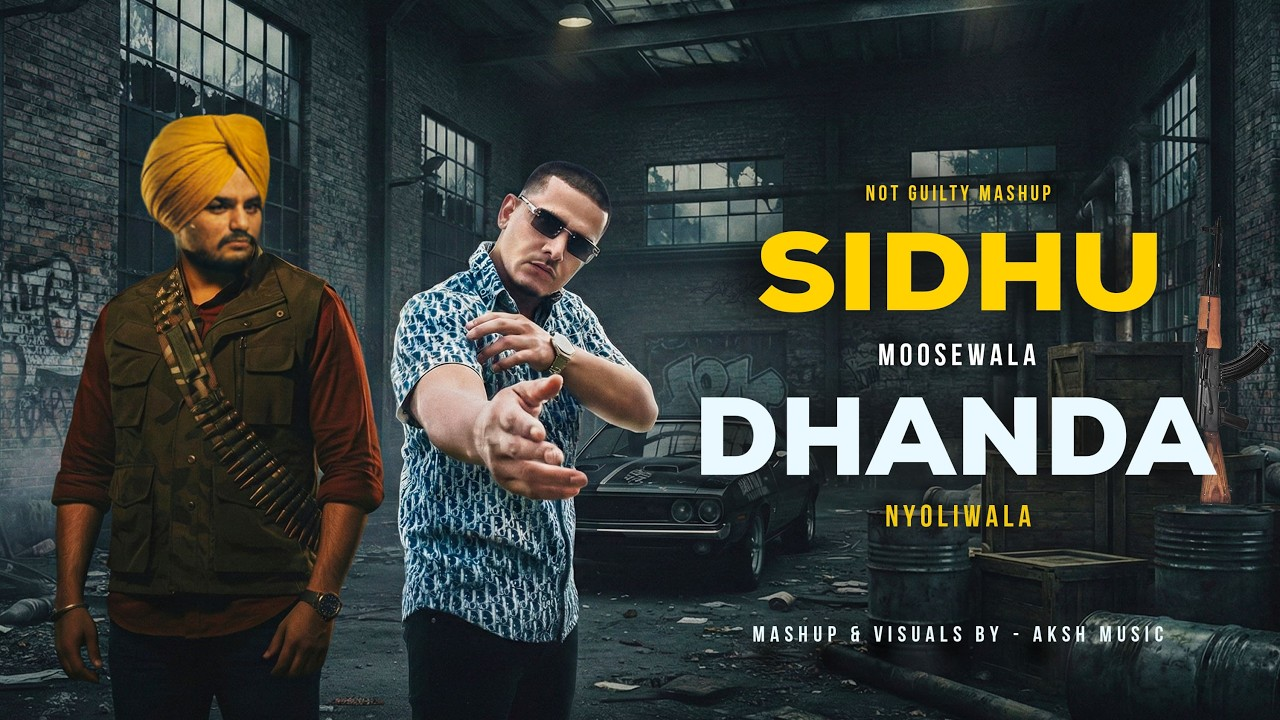
The North Indian music scene has been on fire for the past decade. From Punjabi hip-hop dominating global charts to Haryanvi rap finding its own aggressive, desi voice — the movement is real. And in the middle of this cultural wave, one question keeps popping up among fans:
Is Dhanda Niyoliwala the new Sidhu Moosewala of Haryana?
It’s a bold comparison. And not one to make lightly.
Let’s break it down — artist to artist, vibe to vibe, impact to impact.
The Sidhu Moosewala Effect
When you talk about Punjabi music in the last decade, you can’t ignore Sidhu Moosewala. He wasn’t just a singer. He was a movement.
Moosewala brought:
- Raw storytelling
- Rural pride
- Gun culture imagery
- Political undertones
- Unapologetic attitude
Tracks like “295” and “So High” weren’t just songs — they were statements. He connected deeply with youth who felt unheard, underestimated, or misunderstood.
Moosewala’s biggest strength?
Authenticity.
He rapped about where he came from — and he meant every word.
Enter Dhanda Niyoliwala
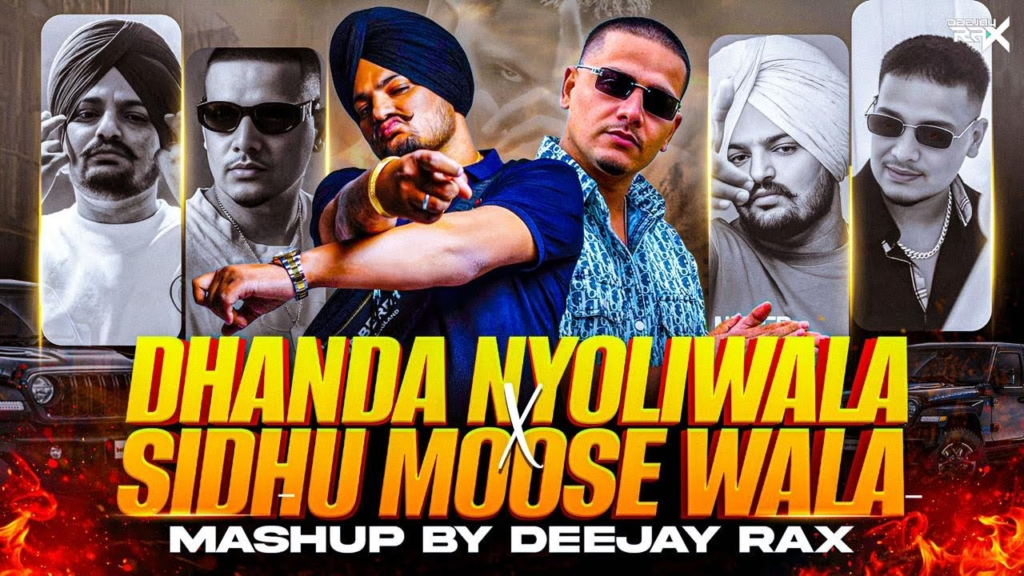
Now let’s talk about Dhanda Niyoliwala.
If you’ve been following the Haryanvi rap scene, you know the energy he brings. Heavy beats. Desi aggression. Haryanvi dialect with pride. Street-coded lyrics.
He represents:
- Rural Haryana identity
- Fearless lyrical tone
- Modern trap beats with desi roots
- Strong visual branding
In many ways, Dhanda has become the face of bold Haryanvi rap — similar to how Moosewala became the face of unapologetic Punjabi rap.
But is that enough to call him “the new Sidhu Moosewala”?
Let’s go deeper.
Similarities: Why the Comparison Exists
1. Regional Pride
Both artists proudly represent their soil.
Moosewala was Punjab through and through.
Dhanda screams Haryana in every verse.
They don’t dilute their language for mainstream comfort. Instead, they elevate it.
That hits different for youth in villages and tier-2 cities. It gives them identity.
2. Aggressive Persona
There’s a certain “don’t mess with me” vibe.
Moosewala had it.
Dhanda has it.
The tone. The stare. The lyrical flex. The cinematic videos.
It’s not soft romance rap. It’s dominance rap.
And let’s be real — that style sells.
3. Youth Connect
Young listeners don’t just hear these artists — they relate to them.
- Ambition
- Rebellion
- Power
- Status
- Recognition
Moosewala connected with millions across India and abroad.
Dhanda is building that same connection in Haryana and North India.
The key word? Building.
The Differences: Why It’s Not That Simple
Now here’s where things get interesting.
1. Scale of Impact
Sidhu Moosewala wasn’t just big in Punjab. He was global.
Canada, UK, Australia — Punjabi diaspora made him an international icon.
Dhanda, as of now, is still expanding. His primary base is regional and growing nationally.
That’s not a criticism — it’s a timeline difference.
2. Political & Social Influence
Moosewala stepped into politics and openly addressed social issues.
He wasn’t just rapping about lifestyle — he was commenting on society.
Dhanda’s image so far is more street-focused and music-centered rather than politically outspoken.
Different lane.
3. Cultural Timing
Moosewala came at a time when Punjabi hip-hop was exploding globally.
Dhanda is emerging when regional rap is more competitive than ever — with dozens of artists fighting for attention.
The battlefield is tougher now.
Is Haryana Looking for Its Own Icon?
Let’s be honest.
Every region wants its hero.
Punjab had Sidhu Moosewala.
Mumbai had Divine.
Haryana now wants its own global rap face.
And Dhanda Niyoliwala fits the template:
- Strong identity
- Authentic rural background
- No filter lyrics
- Youth loyalty
But becoming “the new Sidhu Moosewala” isn’t about copying style.
It’s about impact.
The Real Question: Should He Even Be Compared?
Here’s a hot take.
Maybe Dhanda shouldn’t be called “the new Sidhu Moosewala.”
Maybe he should be the first Dhanda Niyoliwala.
When Moosewala started, people compared him to earlier Punjabi singers. Eventually, he created his own lane.
The same opportunity exists here.
Comparisons create buzz.
Originality creates legacy.
What Dhanda Needs to Reach That Level
If we’re talking seriously about reaching Moosewala-level influence, here’s what matters:
1. Broader Themes
Not just flex and aggression — but storytelling, emotional depth, social commentary.
2. National Collaborations
Collabs with big Punjabi, Hindi, or international artists can expand reach.
3. Strong Brand Strategy
Consistency, visuals, social presence — today’s artists are 50% music, 50% brand.
4. Long-Term Vision
Moosewala built years of catalog before becoming untouchable.
Longevity matters more than viral hits.
Why Youth Are Making This Comparison
Simple psychology.
When a powerful regional rapper rises after a legend passes away, people naturally look for the “next one.”
But legends aren’t replaced.
They inspire successors.
Dhanda represents a new wave — one shaped by Moosewala’s impact, but rooted in Haryana’s own soil.
Final Verdict: Is Dhanda Niyoliwala the New Sidhu Moosewala?
Short answer?
Not yet.
Long answer?
He has potential — but legacy is built over time, influence, and cultural impact.
Sidhu Moosewala was a once-in-a-generation artist.
Dhanda Niyoliwala is a rising force who could redefine Haryanvi rap — if he evolves beyond comparison.
Instead of asking whether he is the new Sidhu Moosewala, maybe we should ask:
Is he building something that one day makes people say — “He changed the game for Haryana”?
Because that’s how legends are born.
Closing Thoughts
The North Indian music scene is evolving fast. Regional languages are no longer barriers — they’re power statements.
Whether Dhanda becomes Haryana’s biggest global rap icon depends on:
- Growth
- Depth
- Consistency
- Vision
But one thing is clear.
The youth are watching.
The culture is shifting.
And Haryana’s rap scene is louder than ever.
What do you think — comparison valid hai ya overhyped?