


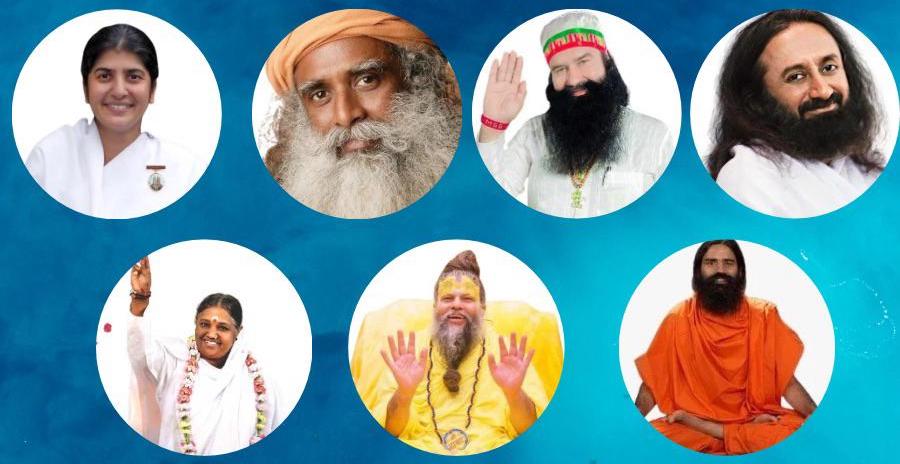
There was a time in India when saints, gurus, and spiritual leaders were respected as moral guides and social reformers. Ashrams were centers of learning, service, and discipline.
Today, that image is rapidly changing.
Modern films and digital platforms often portray Hindu saints as frauds, manipulators, or criminals. Over time, this repeated portrayal has created mistrust and negativity in society.
This article explores how media narratives are shaping public perception and why balanced representation matters.
How Bollywood and OTT Platforms Changed the Image of Saints
In many popular films and web series, spiritual figures are shown in negative roles. The “fake baba” and “corrupt pandit” have become common characters.
These portrayals may be fictional, but constant repetition influences young minds. Gradually, audiences start associating spirituality with deception.
The recent controversy around the Netflix series “Ghooskhor Pandit” reflects public frustration with such stereotyping.
The Real Work of Genuine Hindu Spiritual Leader
While cinema highlights scandals, it ignores real service.
Across India, thousands of saints and spiritual workers:
- Run free food programs
- Provide education
- Offer medical help
- Support addiction recovery
- Help disaster victims
These contributions rarely receive media attention.
Service remains invisible. Scandals dominate headlines.
Media Trials and the Destruction of Reputation
In today’s digital age, allegations spread instantly.
A single accusation can trigger:
- Social media outrage
- Television debates
- Public judgment
Even before courts decide, reputations are destroyed.
Many saints face long legal battles, and even acquittal cannot undo the damage.
This culture of “guilty before proven innocent” harms justice.
Why Spiritual Leaders Still Matter in Indian Society
In rural and semi-urban India, government support is often limited.
Ashrams and spiritual centers provide:
- Healthcare
- Education
- Food security
- Emotional support
They fill social gaps and maintain community discipline.
Weakening these institutions weakens society itself.
The Impact of Negative Portrayal on Indian Youth
Young people grow up seeing:
Saint = Fraud
Faith = Blindness
Tradition = Backwardness
This creates identity confusion and cultural disconnect.
When youth lose respect for values, society becomes unstable.
Accountability vs Targeted Stereotyping
No individual should be above law.
Wrongdoers must be punished.
But criticism must be fair.
Targeting an entire tradition due to a few cases is unjust and harmful.
Balanced storytelling promotes understanding, not hatred.
The Need for Responsible Storytelling
Media has enormous influence.
Responsible content should:
- Show both positive and negative sides
- Avoid stereotypes
- Encourage critical thinking
- Respect cultural diversity
Mature societies demand mature narratives.
Conclusion: Protecting Truth, Faith, and Fairness
Indian saints are not perfect, but many dedicate their lives to service and social harmony.
Judging individuals is right.
Demonizing traditions is wrong.
If India wants to remain united and strong, it must protect truth from noise and service from slander.
Balanced media representation is not censorship — it is responsibility.