


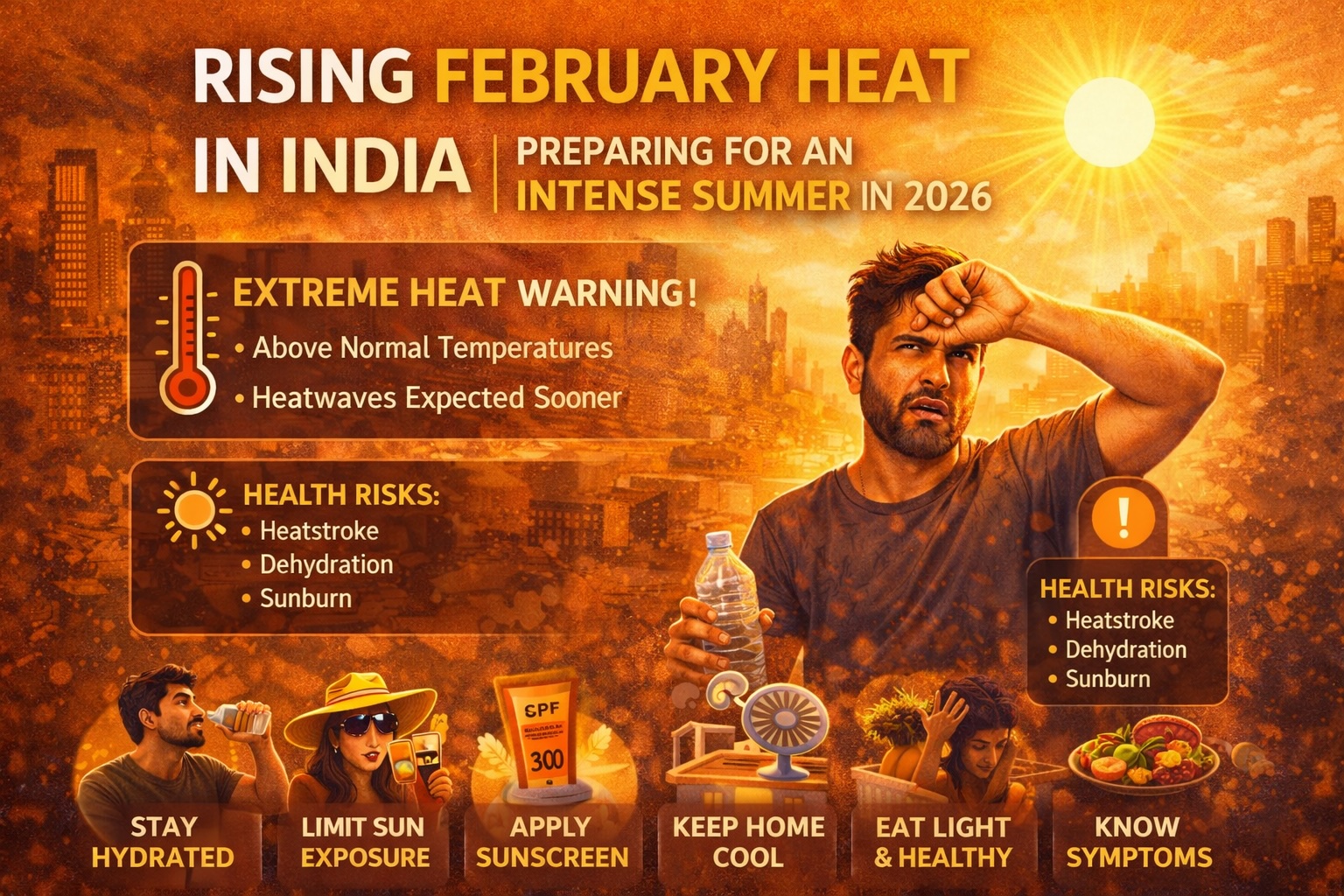
February used to mean sweaters and foggy mornings across most of India. Not anymore. In 2026, many parts of the country — from Rajasthan to Maharashtra and even parts of the Indo-Gangetic Plain — are recording temperatures 3°C to 5°C above normal for this time of year. If February feels like April, you’re not imagining it. India’s summers are shifting, and they’re shifting fast.
Why Is February So Hot in India in 2026?
The answer lies in a combination of long-term climate change and short-term atmospheric patterns. India has been warming at a rate of approximately 0.15°C per decade since the 1950s, according to climate data tracked by the India Meteorological Department (IMD). But in recent years, that pace has accelerated — especially in northern and central India.
Several key factors are driving this February heat surge:
El Niño and Western Disturbance Disruption: A lingering El Niño pattern has reduced winter rainfall and suppressed cloud cover across much of India. Without moisture in the air to moderate temperatures, afternoons are heating up dramatically — even in February.
Urban Heat Islands: Cities like Delhi, Mumbai, Pune, and Hyderabad are absorbing and retaining more heat than ever before. Concrete, reduced green cover, and increased vehicle emissions create localized warming that can push urban temperatures 3°C–6°C higher than surrounding rural areas.
Reduced Winter Fog: Fog used to act as a natural insulator during winter months in North India. Changing weather patterns have shortened the fog season, leaving the ground exposed to direct sunlight for longer periods — accelerating the warming cycle.
Greenhouse Gas Accumulation: India’s growing industrial and energy sectors continue to add carbon dioxide and methane to the atmosphere, contributing to the broader global warming trend that is making extreme heat events more frequent and more intense.
What This Means for India’s Health and Agriculture
The rising temperatures are not just uncomfortable — they carry serious consequences.
Health Risks: Heat stress, dehydration, and heatstroke are no longer concerns limited to May and June. Doctors across India are reporting cases of heat-related illness as early as late February, particularly among outdoor workers, the elderly, and children. People with cardiovascular or respiratory conditions are especially vulnerable.
Agricultural Impact: Rabi crops like wheat, which depend on cool temperatures to develop properly during February, are facing significant yield losses. Early heat during grain-filling stages can lead to “terminal heat stress,” reducing crop productivity by 10–25% in affected regions. Farmers in Punjab, Haryana, and Uttar Pradesh are already raising alarms.
Water Scarcity: Higher evaporation rates driven by early heat are depleting reservoirs and groundwater levels ahead of the actual summer season, creating a compounding crisis as April and May approach.
How to Stay Safe During the 2026 Summer Season
Whether you’re in Ghaziabad, Jaipur, or Chennai, taking early precautions is essential. Here’s how to protect yourself and your family:
Stay Hydrated: Drink at least 8–10 glasses of water daily, even if you don’t feel thirsty. Include ORS (Oral Rehydration Solution), coconut water, and buttermilk in your daily routine. Avoid alcohol and caffeinated drinks, which accelerate dehydration.
Time Your Outdoor Activities Wisely: The peak heat window in most Indian cities is between 11 AM and 4 PM. Schedule errands, exercise, or travel either early in the morning or after sunset to reduce exposure.
Wear Appropriate Clothing: Light-coloured, loose-fitting cotton clothes reflect sunlight and allow your skin to breathe. Always carry a hat, scarf, or dupatta to shield your head and neck when stepping outdoors.
Cool Your Home Naturally: Use cross-ventilation, wet curtains, and ceiling fans to keep indoor temperatures manageable. If you use an air conditioner, set it to 24°C–26°C to balance comfort and energy efficiency.
Watch for Heat Stroke Warning Signs: Symptoms include high body temperature, confusion, rapid pulse, and absence of sweating. If you or someone nearby shows these signs, move to a cool place immediately, apply cool water, and seek medical help without delay.
Protect Vulnerable People: Regularly check on elderly relatives, young children, and neighbours who live alone. Never leave children or pets in parked vehicles, even briefly.
The Bigger Picture: India Must Adapt Now
The rising February heat is a symptom of a larger, urgent challenge. India needs expanded urban green cover, better heat action plans at the city level, early warning systems for vulnerable communities, and stronger national commitments to reducing emissions. Cities like Ahmedabad have pioneered Heat Action Plans — this model must now scale nationally.
As individuals, awareness and early action can save lives. As a society, demanding climate-resilient policy is no longer optional — it’s essential.
Stay cool. Stay safe. And stay informed.