


How a Bronze Medal at the FIDE World Rapid Chess Championship Signals a Bigger Shift in Indian Chess
A Quiet Win That Carried National Meaning
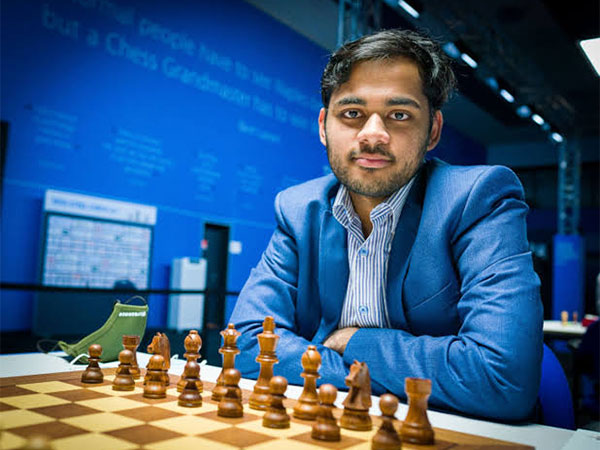
When Arjun Erigaisi secured the bronze medal in the Open Section at the FIDE World Rapid Chess Championship in Doha, it didn’t come with fireworks or loud celebrations. Yet, within the chess world—and increasingly beyond—it resonated as something much larger than a podium finish.
Chess is a sport where noise means little and discipline means everything. Arjun’s achievement represents a moment where preparation, composure, and modern Indian chess thinking converged on a global stage.
The recognition from the Prime Minister of India underscored this significance—not as a political gesture, but as national acknowledgement of sustained excellence in a cerebral sport that rarely seeks attention.
Why the FIDE World Rapid Championship Is Brutally Competitive
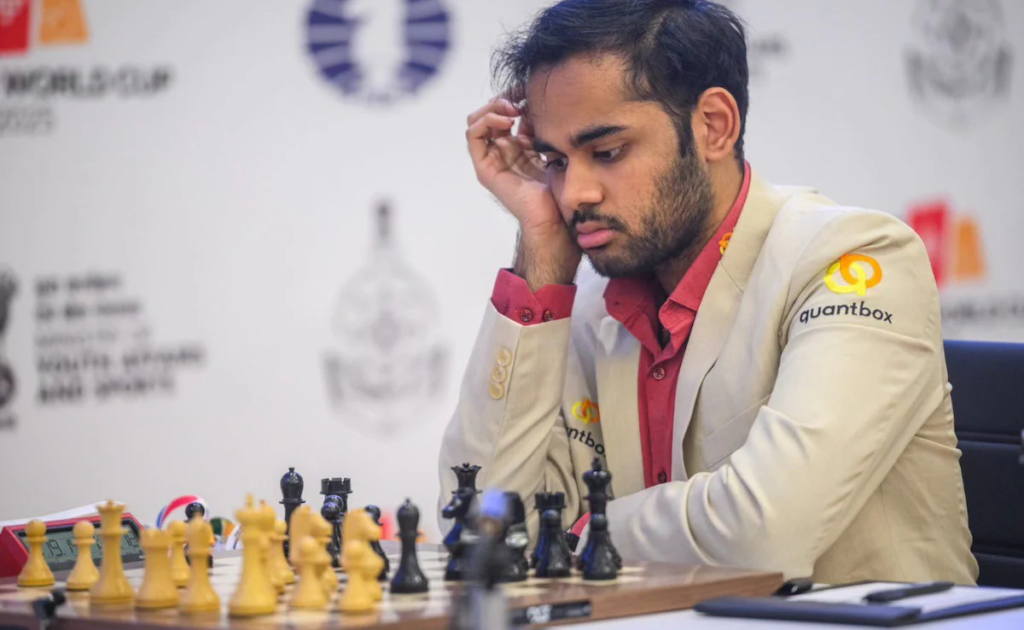
The World Rapid Chess Championship is among the toughest formats in professional chess. Unlike classical tournaments, rapid chess offers little room for hesitation. Time pressure magnifies every mistake, and instinct must work in harmony with preparation.
In the Open Section, players face:
- Elite grandmasters
- Rising prodigies
- Aggressive, unpredictable playing styles
Every round is a test of mental resilience. Arjun Erigaisi’s ability to remain consistent in such an environment is what makes his bronze medal deeply credible.
This was not a lucky run.
It was controlled, high-pressure performance.
Arjun Erigaisi: A Product of India’s New Chess Ecosystem
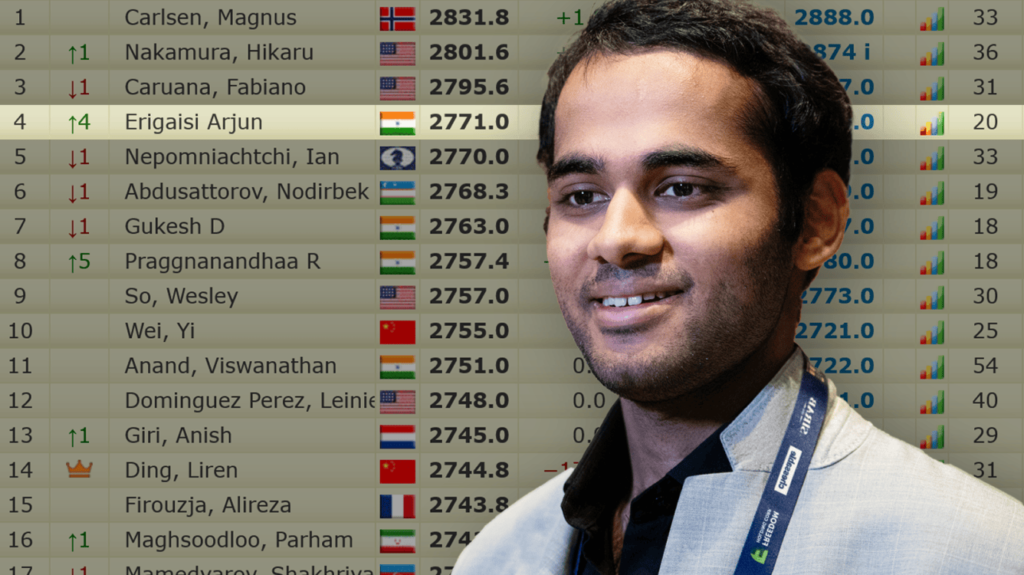
Indian chess has evolved dramatically over the last decade. What was once dependent on individual brilliance has now transformed into a structured, competitive ecosystem.
Arjun Erigaisi belongs to a generation that:
- Grew up with international exposure
- Trains across continents
- Competes without intimidation
- Treats global tournaments as normal workplaces
This generation does not play with the anxiety of representation. They play with the confidence of belonging.
Arjun’s career trajectory reflects this shift clearly—quiet progress, sharp preparation, and emotional control.
The Meaning Behind ‘Grit’
When Arjun’s grit was highlighted in the Prime Minister’s message, it pointed to something deeper than perseverance.
In chess, grit means:
- Recovering quickly after losses
- Maintaining composure under pressure
- Making practical decisions instead of emotional ones
- Showing discipline across long tournaments
Arjun’s games in Doha demonstrated exactly that. His approach was methodical, calm, and rooted in understanding rather than spectacle.
This temperament is what separates strong players from sustainable champions.
Why This Bronze Medal Matters for Indian Chess
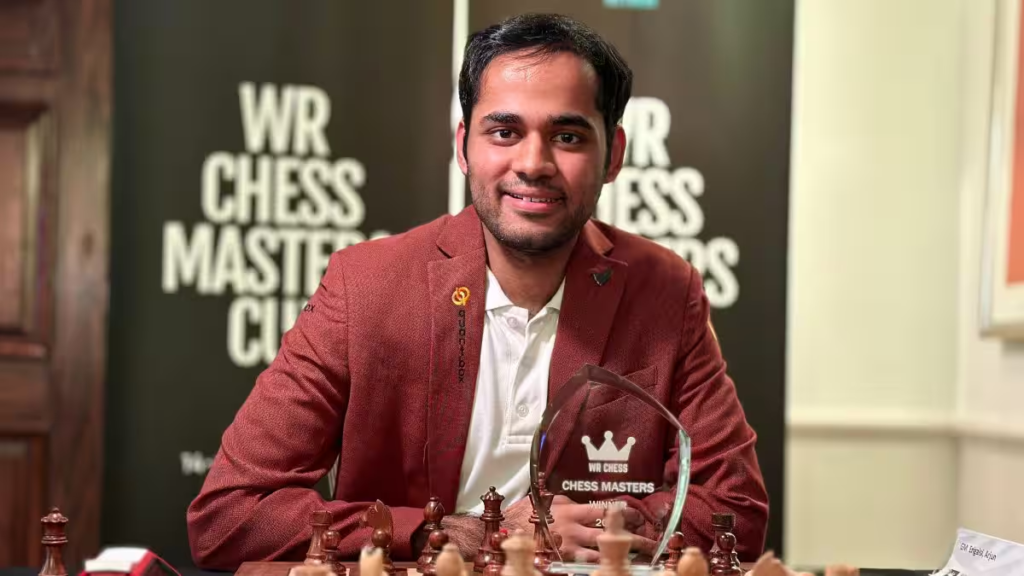
Medals alone do not build sporting cultures. What builds them is repeatable excellence.
Arjun Erigaisi’s podium finish represents:
- The maturity of India’s chess pipeline
- The success of early international exposure
- A generation that sees chess as a profession, not a passion project
- India’s growing credibility in fast-format chess
Rapid and blitz formats dominate modern chess viewership. Success here places Indian players firmly within global conversations.
Leadership Recognition and Its Impact
Chess rarely occupies prime media space in India. That is why high-level recognition matters.
When national leadership acknowledges chess achievements:
- Young players gain confidence
- Families feel validation
- Sponsors take interest
- Institutions invest more seriously
Arjun’s recognition serves as motivation not just for one player, but for hundreds quietly training across the country.
Global Chess Is Changing — India Is Keeping Up
International chess today is:
- Faster
- Younger
- More aggressive
- More practical
The days of slow, risk-free play dominating success are fading. Arjun Erigaisi’s performance in a rapid format shows that Indian players are not lagging behind—they are adapting early.
This adaptability will define future champions.
What Lies Ahead for Arjun Erigaisi
A bronze medal does not conclude a journey—it recalibrates expectations.
For Arjun, the challenge ahead will be:
- Maintaining consistency
- Converting strong performances into titles
- Handling increased scrutiny
- Balancing ambition with patience
If his trajectory so far is any indicator, he possesses the temperament required for longevity at the top level.
A Symbol of India’s Intellectual Sporting Rise
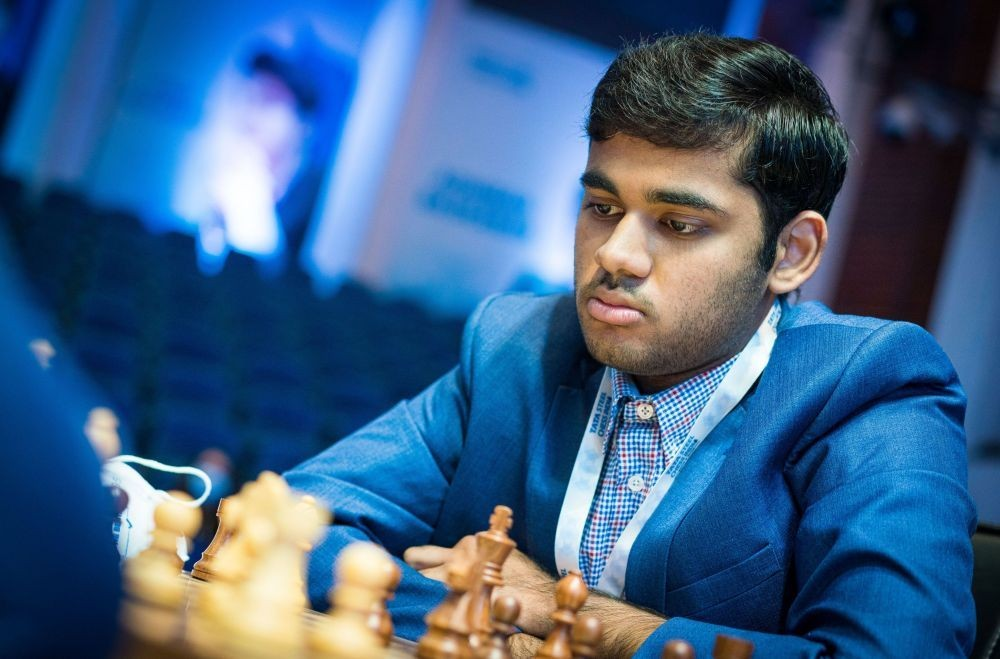
India’s sporting identity is expanding beyond physical dominance. Chess represents intellectual strength, discipline, and strategic thinking—qualities increasingly visible in India’s global presence.
Arjun Erigaisi’s success reinforces the idea that Indian excellence is no longer accidental. It is systemic, prepared, and confident.
Conclusion: More Than a Medal
Arjun Erigaisi’s bronze at the FIDE World Rapid Chess Championship is not just an achievement—it is a signal.
A signal that Indian chess has entered a phase where results are expected, not hoped for.
A signal that quiet discipline can command global respect.
A signal that the future of Indian chess is already unfolding.
And sometimes, the most important victories are the ones that speak softly—yet carry lasting impact.