


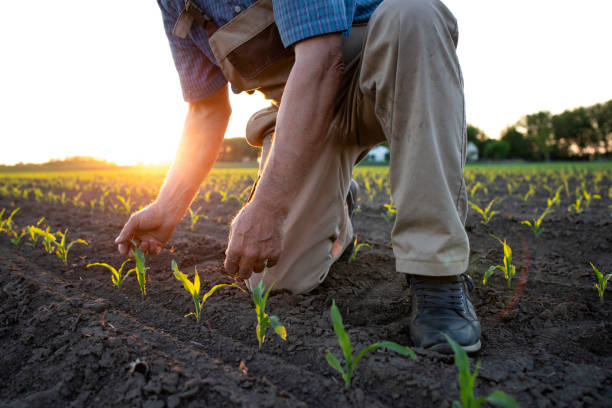
Starting farming for the first time can feel overwhelming. But the truth is, most crops need the same basic care. Whether you are growing vegetables on a small plot or managing a larger farm, success depends on getting a few fundamentals right.
The Four Basic Needs of Every Crop
All crops depend on these four essentials:
- Sunlight: Crops need enough sunlight every day for healthy growth. Make sure fields or plots are not heavily shaded.
- Water: Crops need regular watering, but not excess. Both overwatering and underwatering can damage plants.
- Nutrients: Healthy soil provides nutrients. Testing soil pH helps you understand what your soil lacks so you can add manure or fertilizers correctly.
- Space: Crowded plants compete for water, nutrients, and sunlight. Proper spacing helps crops grow strong.
If you remember these basics in every farming decision, you are already on the right track.
Start With the Soil
Good farming always begins underground.
- Test your soil’s pH and fertility before planting.
- Improve soil using compost, farmyard manure, or recommended fertilizers.
- Ensure proper drainage. Loamy soil is ideal because it holds moisture but does not trap excess water.
- Avoid extreme clay soil (waterlogging risk) and very sandy soil (poor water retention). Soil quality can be improved gradually with organic matter.
Don’t guess—talk to local agriculture officers, experienced farmers, or soil testing labs.
Focus on Quality, Not Area
New farmers often try to cultivate too much land too soon. This is a mistake.
- Start with smaller areas of good soil
- Avoid planting on poor land until it is improved
- It is better to get high yield from a small area than low yield from a large one
Good soil always gives better returns than more land.
Plan Each Season Properly
Every crop has a right season and right time.
- Prepare a clear planting and harvesting schedule
- Harvesting too late reduces quality; harvesting too early reduces yield
- Plant crops according to rainfall and temperature patterns
- Make sure everyone working on the farm knows what to do and when
Good supervision and planning save both time and money.
Control Weeds and Pests Early
Weeds grow faster than crops if ignored.
- Remove weeds early using manual tools or weed wipers
- Use sprayers carefully and only when needed
- Prefer organic or recommended pesticides to reduce long-term damage
- Avoid overuse of chemicals, which harms soil and crop health
Healthy crops resist pests better than weak ones.
Use Technology Where Possible
Modern farming tools can help new farmers avoid costly mistakes:
- GPS-based tools help with accurate planting and fertilizer use
- Variable Rate Technology (VRT) reduces wastage of seeds and nutrients
- Guidance systems improve spraying and field operations
You don’t need all technologies at once—even small tools can make a big difference.
Manage Water Wisely
Never start farming without planning water availability.
- Even rain-fed areas face dry years
- Choose crops and varieties suited to your water supply
- Avoid unnecessary irrigation—it increases costs and disease risk
- Observe your crops: healthy plants stand upright, stressed plants wilt
Water-smart farming protects both crops and income.
Final Word for New Farmers
Crop care may look complicated at first, but it becomes manageable with basic knowledge, observation, and patience. Farming is not about perfection—it’s about learning season by season.
With proper planning, soil care, and timely action, even first-time farmers can build a successful and sustainable farm.