


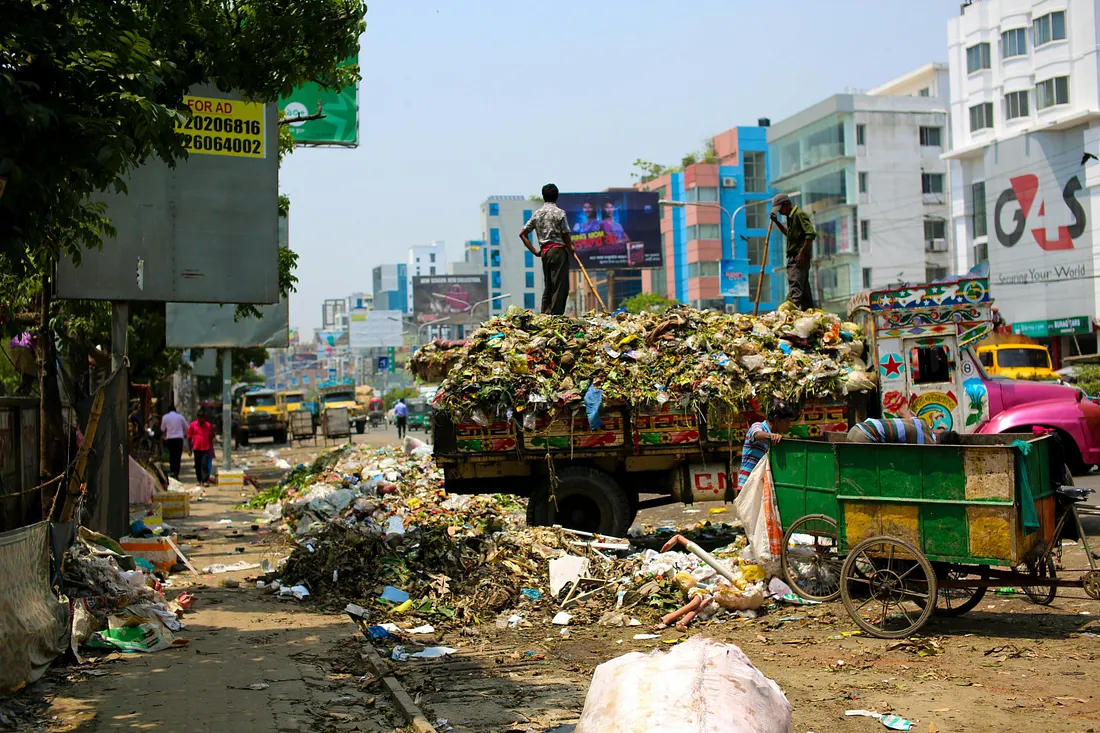
In recent years, the Mega Cleanliness Campaign has emerged as a vital initiative aimed at promoting hygiene and sanitation across the country. Launched with the vision of transforming urban and rural environments, this campaign mobilizes communities, local governments, and organizations to engage in extensive cleanliness drives. The primary objectives include reducing litter, improving waste management practices, and raising awareness about the importance of cleanliness for public health.
Key elements of the campaign include:
1. Community Engagement: Encouraging local communities to take ownership of their surroundings through organized clean-up drives and awareness programs.
2. Waste Segregation : Educating citizens on the importance of segregating waste at the source, promoting recycling, and proper disposal methods.
3. Infrastructure Development : Advocating for the installation of more public waste bins, toilets, and recycling stations to facilitate better sanitation.
4. Collaboration with NGOs : Partnering with non-governmental organizations to extend the reach of the campaign and implement sustainable practices.
5. School Programs : Implementing educational programs in schools to instill values of cleanliness and hygiene in children from a young age.
6. Digital Awareness : Utilizing social media and other digital platforms to spread awareness and encourage participation in cleanliness activities.
Additionally, the campaign seeks to address pressing environmental issues such as pollution and waste management challenges. By promoting responsible consumption and encouraging individuals to reduce plastic usage, the initiative aims to create a significant impact on environmental sustainability. Public health is also a key focus, as improved sanitation practices can lead to a decrease in diseases linked to poor hygiene. By bringing together various stakeholders, including government bodies, businesses, and citizens, the campaign fosters a collaborative approach to tackling these challenges.
Get Daksh Jhamb’s stories in your inbox
Join Medium for free to get updates from this writer.Subscribe
By fostering a sense of responsibility and community spirit, the campaign seeks to create sustainable habits that contribute to a cleaner, healthier environment for future generations.
Ram Rahim Ji’s Initiative

Ram Rahim , a prominent figure in promoting social welfare, has initiated various cleanliness drives as part of his broader commitment to community service. Through his organization, he encourages followers and the general public to actively participate in sanitation efforts, emphasizing the importance of maintaining cleanliness in daily life. His initiatives often include organizing mass cleanliness drives, awareness campaigns, and workshops aimed at educating people about hygiene practices.

Ram Rahim approach also focuses on:
1. Holistic Development : Integrating cleanliness with health and well-being, promoting the idea that a clean environment leads to a healthier lifestyle.
2. Youth Involvement : Engaging the youth through volunteer opportunities, empowering them to take leadership roles in cleanliness efforts.
3. Cultural Integration : Incorporating cultural and spiritual teachings to instill a sense of duty towards the environment and community cleanliness.
4. Long-term Commitment : Emphasizing sustainability by encouraging regular follow-ups and ongoing participation in cleanliness activities.
By leveraging his influence, Ram Rahim ji aims to inspire a collective effort towards a cleaner society, aligning with national goals of public health and environmental sustainability.
Conclusion
The Mega Cleanliness Campaign, complemented by initiatives like those of Rahm Rahim, highlights the critical need for collective action in promoting hygiene and sanitation. As communities come together to take responsibility for their environments, the positive impacts extend beyond mere aesthetics to encompass health, well-being, and social cohesion. By instilling values of cleanliness in future generations and fostering ongoing participation, these efforts can create a sustainable culture of cleanliness that benefits all. Ultimately, the success of these initiatives relies on continued commitment, collaboration, and education, paving the way for a cleaner, healthier future for the nation.