


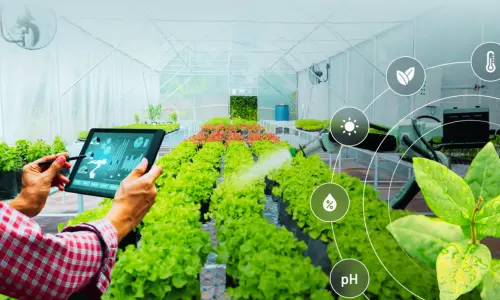
For generations, farming decisions were based on experience, observation, and intuition. While that wisdom still matters, today’s farming faces new challenges—unpredictable weather, rising input costs, pests, diseases, and market uncertainty. This is where data science can help farmers take smarter, more confident decisions.
From a farmer’s point of view, data science is not about computers or complex mathematics. It is simply using information from the field, weather, soil, and markets to make better farming choices.
What Does Data Science Mean for Farmers?
In simple terms, data science means:
- Collecting useful farm data
- Understanding what that data is telling us
- Using it to improve yield, reduce losses, and save money
This data can come from:
- Weather reports
- Soil testing
- Sensors in fields
- Crop history
- Market price trends
When this information is analysed properly, it helps farmers avoid guesswork.
Ways Farmers Can Use Data Science on Their Farms
1. Predicting Crop Yield
By studying past data on rainfall, temperature, soil health, and crop performance, farmers can estimate expected yield in advance. This helps in:
- Choosing the right crop
- Planning fertilizer use
- Managing labour and storage
2. Better Weather Planning
Weather affects every farm activity. Data-based weather forecasts help farmers:
- Decide the right time for sowing
- Plan irrigation schedules
- Protect crops from frost, heatwaves, or heavy rain
Localized forecasts are far more useful than general predictions.
3. Improving Soil Health
Soil sensors and soil test data help farmers understand:
- Moisture level in soil
- Nutrient availability
- Soil pH
With this information, farmers can apply only the required amount of fertilizer and water, avoiding waste and improving soil fertility.
4. Early Pest and Disease Detection
Using mobile images, drones, or simple field data, pests and diseases can be identified early.
- Early detection means less crop damage
- Reduces excessive pesticide use
- Saves cost and protects soil health
5. Precision Farming
Precision farming means applying inputs only where needed.
- Water only dry areas
- Fertilize weak zones
- Spray pesticides only affected plants
This saves inputs and improves productivity.
6. Understanding Market Trends
By studying price trends and demand patterns, farmers can:
- Decide which crop is more profitable
- Choose the right time to sell
- Avoid distress sales
This helps farmers move from price-takers to better market planners.
7. Reducing Post-Harvest Losses
Data science helps in improving storage, transport, and supply chains.
- Faster movement to markets
- Reduced spoilage
- Better planning of cold storage
8. Livestock Health Monitoring
For livestock farmers, data from sensors can track:
- Animal movement
- Feeding patterns
- Health indicators
This allows early treatment and prevents major losses.
9. Farm Machinery Maintenance
Data can predict when tractors or equipment may fail.
- Timely servicing prevents breakdowns
- Saves repair costs
- Avoids delays during peak seasons
10. Better Financial Planning
By analysing farm expenses and returns, farmers can:
- Compare crop profitability
- Manage loans better
- Reduce financial risk
How Farmers Can Start Using Data Science
Step 1: Start Collecting Data
Begin with basics:
- Weather reports
- Soil test results
- Crop yield records
Step 2: Store Data Safely
Use:
- Mobile apps
- Farm notebooks
- Cloud-based platforms
Step 3: Analyse the Data
Farmers can:
- Use simple farm apps
- Take help from agri experts
- Work with agri-tech service providers
Step 4: Understand Through Visuals
Charts, graphs, and dashboards make data easy to understand and act upon.
Step 5: Apply and Improve
Use insights in real farming decisions and improve methods every season.
Why Data Science Matters for Farmers
- Higher yields
- Lower input costs
- Reduced crop losses
- Smarter decisions
- More sustainable farming
Final Word from the Field
Data science does not replace a farmer’s experience—it supports it. Farmers who combine traditional knowledge with data-based insights are better prepared for modern agricultural challenges.
In today’s farming, information is as valuable as seed and soil. Using data science wisely can help farmers grow more, waste less, and earn better—season after season.