


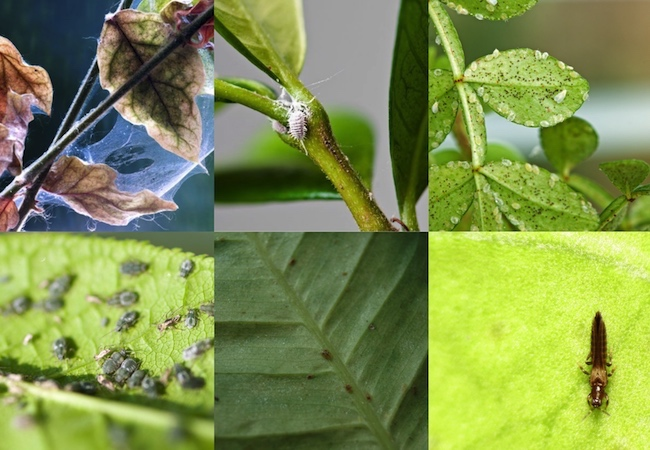
Hydroponics means growing plants without soil, using only water mixed with nutrients. This method gives fast growth and higher yield. But if hygiene, temperature, or humidity is not controlled properly, pests and diseases can spread very quickly in the system.
Since all plants are connected through the same water system, one infected plant can affect the entire setup. That is why regular monitoring is very important.
Common Problems in Hydroponic Farming
1. Spider Mites
These are very tiny insects, almost like dust particles.
Signs:
- Yellow dots on leaves
- Fine webbing on leaves and shoots
- Leaves become weak and dry
They grow fast in hot and dry conditions.
2. Powdery Mildew
This is a fungal disease.
Signs:
- White powder-like layer on leaves
- Yellowing of leaves
- Slow plant growth
It spreads quickly in high humidity with poor air circulation.
3. Thrips
Small insects that suck plant sap.
Signs:
- Tiny black spots on leaves
- Leaves turning brown and dry
- Holes in leaves
They damage both leaves and stems.
4. Iron Deficiency
This is not a pest but a nutrient problem.
Signs:
- Leaves turn bright yellow
- Poor plant growth
It happens when plants do not absorb enough iron from the nutrient solution.
5. Fungus Gnats
Small grey flying insects.
Adult insects do not harm much, but their larvae eat plant roots.
They grow in dark and wet areas around plant roots.
6. Root Rot
One of the most common hydroponic diseases.
Cause: Too much water and harmful bacteria.
Signs:
- Plants wilt
- Leaves turn yellow
- Roots become brown and soft
If not controlled, plants may die.
How Farmers Can Prevent These Problems
✅ Keep the System Clean
- Remove infected leaves immediately
- Do not compost diseased plants; destroy them
- Clean tanks, trays, and pipes regularly
- Keep water and growing media clean
✅ Maintain Proper Ventilation
- Use fans for air movement
- Avoid overcrowding plants
- Remove dead leaves regularly
Good airflow reduces fungal diseases.
✅ Control Humidity
- Too much humidity helps fungus grow
- Maintain balanced moisture level
- Monitor greenhouse temperature daily
✅ Ensure Proper Drainage
- Avoid overwatering
- Check drainage system regularly
- Do not allow standing water
✅ Use Healthy Seeds and Cuttings
- Buy seeds from trusted suppliers
- Avoid planting infected cuttings
✅ Regular Monitoring
- Inspect crops at least twice a week
- Use magnifying glass to check pests
- Early detection saves entire crop
Final Advice for Hydroponic Farmers
Hydroponics gives high production, but it needs careful management. Cleanliness, proper airflow, balanced nutrients, and regular checking are the keys to success.
If you control the environment properly, you can prevent most pest and disease problems and get healthy, high-quality crops.