


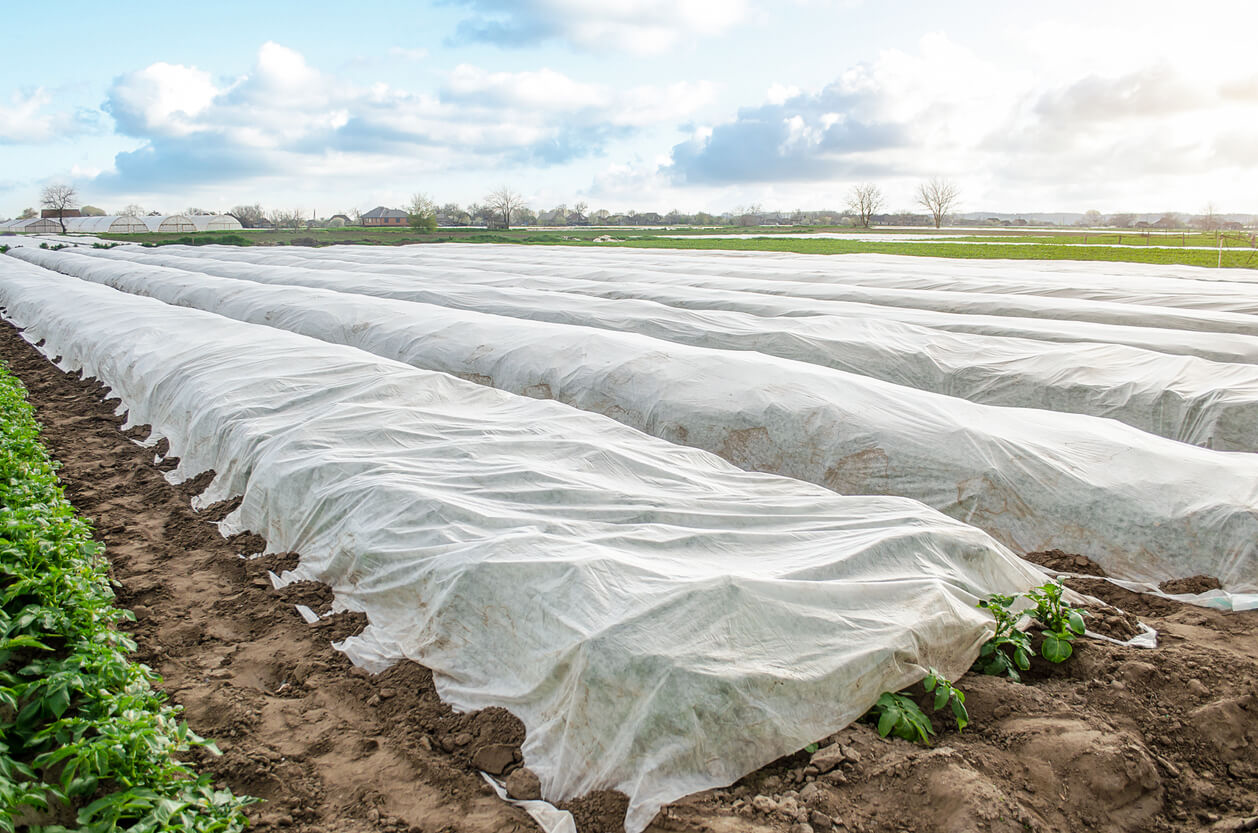
Winter can be a challenging season for farmers, especially for those cultivating vegetables and fruit crops sensitive to low temperatures. Frost, cold winds, and dry conditions can negatively affect crop growth, yield, and quality. Understanding how winter weather impacts crops and adopting timely protective measures can help farmers minimise losses and maintain productivity.
Certain vegetables such as artichokes, beets, celery, cucumbers, beans, and pumpkins are commonly grown during winter. While some crops benefit from cool temperatures, others are vulnerable to frost damage and require special care.
How Winter Temperatures Affect Crops
The impact of cold weather varies from crop to crop:
- Root vegetables like Brussels sprouts can tolerate temperatures below 5°C and may even improve in flavour.
- Crop damage can begin when temperatures drop to 0.5–0°C, affecting plant tissues.
- Vegetables such as asparagus, cucumbers, spinach, and radishes are sensitive and can suffer damage at temperatures between –1°C and 0°C.
- Dry winter conditions may also promote bacterial and fungal diseases, leading to spots on fruits and reduced market quality.
Therefore, proactive crop protection is essential during winter months.
Effective Measures to Protect Crops During Winter
1. Select Suitable Crops
Choose crop varieties that are cold-tolerant and suitable for local climatic conditions. Cold-hardy crops are naturally better equipped to withstand winter stress.
2. Mulching
Apply organic mulch such as straw, dry leaves, or compost around plants.
- Insulates soil and roots
- Retains moisture
- Reduces temperature fluctuations
3. Use Row Covers or Frost Blankets
Row covers made of lightweight fabric protect crops from:
- Frost
- Cold winds
- Sudden temperature drops
They create a warmer microclimate around plants.
4. Greenhouses and High Tunnels
Where resources permit, greenhouses or high tunnels provide a controlled environment that protects crops from extreme cold and allows year-round cultivation.
5. Cold Frames
Cold frames are simple, unheated structures with transparent tops.
- Trap solar heat during the day
- Protect sensitive crops at night
- Extend the growing season
6. Heating Systems (Where Necessary)
In very cold regions, heating systems such as electric or propane heaters may be used inside greenhouses or tunnels to maintain safe temperatures.
7. Proper Pruning
Prune fruit trees and shrubs in late autumn to:
- Remove diseased or dead branches
- Reduce winter injury
- Encourage healthy spring growth
8. Proper Watering
Ensure soil is well-irrigated before extreme cold.
- Moist soil retains heat better than dry soil
- Protects roots from freezing damage
9. Snow Management
In areas with heavy snowfall:
- Gently remove snow from branches
- Prevent breakage due to excessive weight
10. Plant Windbreaks
Windbreaks such as tall grasses, shrubs, or trees reduce the impact of cold winds and help maintain a favourable microclimate.
11. Improve Soil Health
Healthy soil retains heat and moisture more effectively.
- Add organic matter
- Maintain good soil structure
- Improve drainage
12. Timely Harvesting
Harvest crops before severe cold sets in.
- Some crops tolerate light frost
- Prolonged freezing can cause irreversible damage
13. Monitor Weather Forecasts
Regularly track weather updates.
- Be prepared to cover crops during sudden cold spells
- Early action can significantly reduce losses
14. Crop Rotation
Rotate crops to:
- Maintain soil fertility
- Reduce pest and disease pressure
- Improve crop resilience
15. Stay Updated on New Varieties
Agricultural research continues to develop cold-resistant crop varieties. Adopting improved varieties can reduce winter-related risks
Conclusion
Winter crop protection requires planning, observation, and timely action. By selecting suitable crops, improving soil health, using protective structures, and monitoring weather conditions, farmers can successfully safeguard their crops during winter. Adopting these expert-recommended practices helps ensure stable yields, better crop quality, and reduced economic losses during the cold season.