


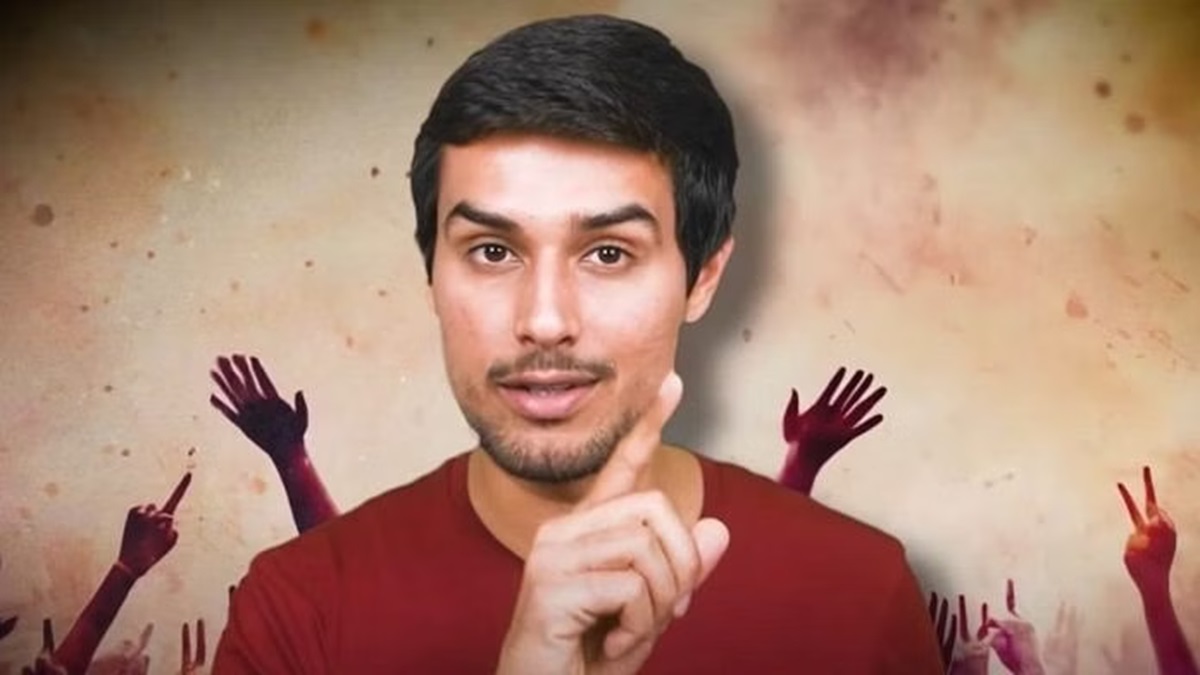
There was a time when Dhruv Rathee symbolised rational discourse in India’s chaotic digital ecosystem. Calm explanations, data-heavy slides, and a promise of “facts over noise” helped him earn credibility among young, first-time political learners.
But influence has a cost. And today, that cost appears to be credibility itself.

From Educator to Influencer
Dhruv Rathee’s early content felt like an online classroom—measured, sourced, and explanatory. Over time, however, the tone evolved. What was once analysis gradually became advocacy, and what was once curiosity hardened into certainty.
This shift matters, because Rathee still presents himself not as a commentator but as a neutral educator. And that gap—between what is claimed and what is delivered—is where trust begins to break.
The Illusion of Objectivity
Having opinions is not the issue. Everyone has them. The issue is branding opinions as neutral truth while selectively presenting facts.
Viewers increasingly notice a pattern:
- Certain political narratives are deeply scrutinised
- Others are glossed over or ignored
- Counter-arguments rarely get equal space
This doesn’t automatically make the content false—but it does make it directional. And when direction masquerades as neutrality, audiences feel misled.
Silence That Speaks Louder Than Videos
Perhaps the most damaging shift is not what Dhruv Rathee says—but what he chooses not to say.
At a time when reports of Hindus being lynched, attacked, and displaced in Bangladesh surfaced across international and regional media, his channel—otherwise vocal on human rights—remained conspicuously silent.
This selective outrage raises uncomfortable questions:
- Are human rights conditional on geography or ideology?
- Does suffering matter only when it fits a narrative?
- Is silence a strategic choice rather than an oversight?
For a creator who built his brand on moral clarity, this absence of commentary has eroded trust far more than any controversial statement could have.
The Jhanvi Kapoor Controversy: A Self-Inflicted Wound
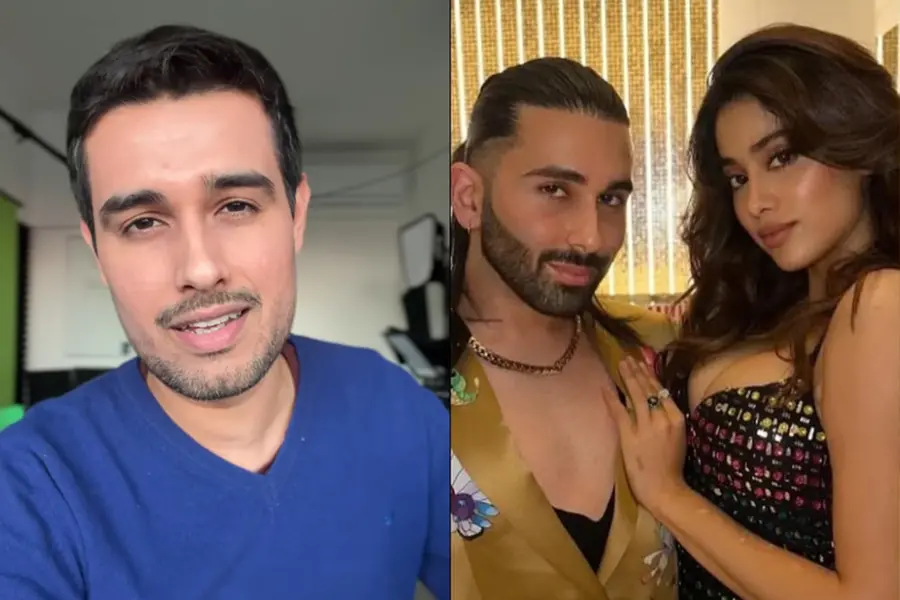
Adding to the credibility crisis was his recent trouble involving Jhanvi Kapoor, where commentary and insinuations crossed from critique into questionable personal targeting.
Regardless of intent, the episode reinforced a growing perception:
- That Rathee is increasingly comfortable making moral judgements without full context
- That personal narratives are sometimes used to amplify ideological points
For an educator, perception matters. And this incident fed into the belief that restraint—once his strongest asset—is no longer a priority.
Living Inside an Echo Chamber
Criticism today is rarely engaged with; it is labelled. Dissenting voices are often dismissed as trolls, bots, or politically motivated actors.
Ironically, this mirrors the echo-chamber culture Rathee once warned his audience against.
When creators stop listening, they stop evolving.
Activism Over Analysis
Another visible change is the tilt toward emotional mobilisation. Videos increasingly feel designed to provoke alignment rather than understanding. The conclusions are predictable, the framing familiar.
This limits reach. Content becomes influential within a bubble—but irrelevant outside it.
Not a Collapse, But a Crisis of Trust
To be clear, Dhruv Rathee has not lost reach, subscribers, or algorithmic success. But credibility isn’t measured in views—it’s measured in consistency of principle.
Selective silence, ideological framing, and moral certainty have created a trust deficit that no amount of data overlays can fix.
Final Thought
Dhruv Rathee’s journey is not a cautionary tale about fame—it’s a lesson about intellectual honesty.
Audiences don’t demand perfection.
They demand fairness.
They don’t expect neutrality.
They expect transparency.
And most importantly, they notice not just what is said—but what is deliberately left unsaid.
Because the internet doesn’t punish bias.
It punishes pretending you don’t have one.