

The era of mere mental health awareness has ended; 2026 ushers in “Brain Wealth,” a transformative wellness trend positioning cognitive function as your most valuable long-term financial investment. Holland & Barrett’s top wellness trends for 2026 spotlight brain wealth as a lifelong commitment across all ages, blending medical-grade nootropics, neuro-tracking wearables, and brain-aging prevention routines with skincare for 20-somethings. This shift responds to exploding markets—the brain health supplements sector hit USD 12.6 billion in 2025, racing toward USD 13.99 billion in 2026 and USD 35.94 billion by 2035 at 11.05% CAGR—proving cognitive optimization is big business.
Medical-Grade Nootropics Surge
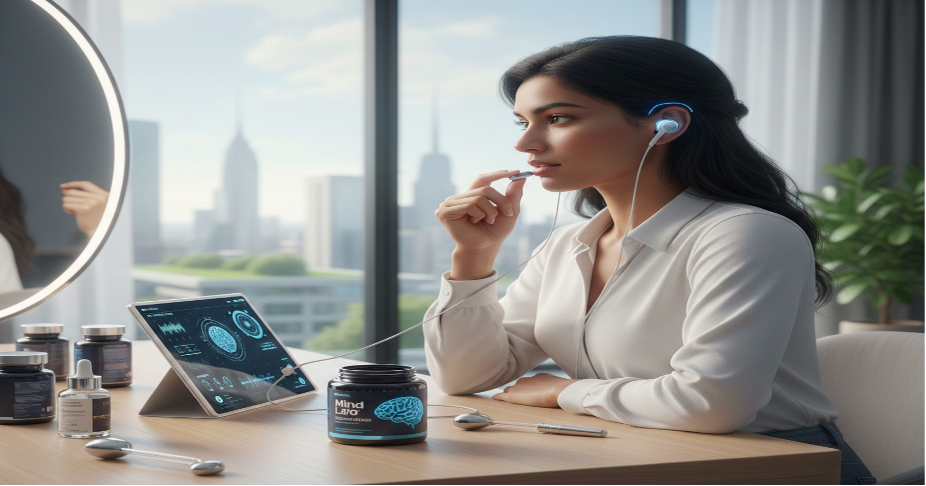
Medical-grade nootropics spearhead brain wealth, backed by clinical trials and riding a USD 6.5 billion market in 2025 set to double by 2035. Mind Lab Pro dominates with three human studies showing 20-30% gains in memory, focus, and processing speed via 500mg Cognizin Citicoline, 350mg Rhodiolife Rhodiola Rosea, and 11 premium ingredients like Bacopa Monnieri and Lion’s Mane. Thesis personalized blends, such as Stress Reset (500mg Cognizin + 300mg Rhodiola), target AI-era demands where cognitive edge defines careers.
Bacopa Monnieri, rooted in Ayurveda, delivers memory retention after 12 weeks, while the broader nootropics market—USD 6.01 billion in 2025—grows at 17.5% CAGR to USD 11.46 billion by 2029 amid stress and mental health crises. Next-generation nootropics emphasize mood-balancing adaptogens and neuroprotection, with regulatory standards ensuring safety for daily brain wealth stacking.
Neuro-Tracking Wearables Boom
Neuro-tracking wearables quantify brain wealth through real-time metrics, powering a USD 16.66 billion neurotech devices market in 2025. CES 2026’s Naox Wave earbuds integrate clinical-grade in-ear EEG—two dry silver electrodes per ear at 250 Hz sampling, under 6 μV noise—for vigilance, relaxation, and brain age tracking during daily life. Weighing 20g with 10-hour battery, they sync via Bluetooth to apps delivering actionable insights, evolving from fitness trackers to cognitive dashboards.
FDA-cleared Naox Link validates the tech for epilepsy and Alzheimer’s, while consumer Wave models predict stress and decline. Neural interface wearables explode at 20.34% CAGR to USD 21.56 billion by 2034, with Asia-Pacific leading adoption for wellness and performance. Digital brain health platforms, USD 248.49 billion in 2025, propel this to USD 508.57 billion by 2035, making neurotech mainstream for brain optimization.
Brain-Aging Prevention for 20-Somethings
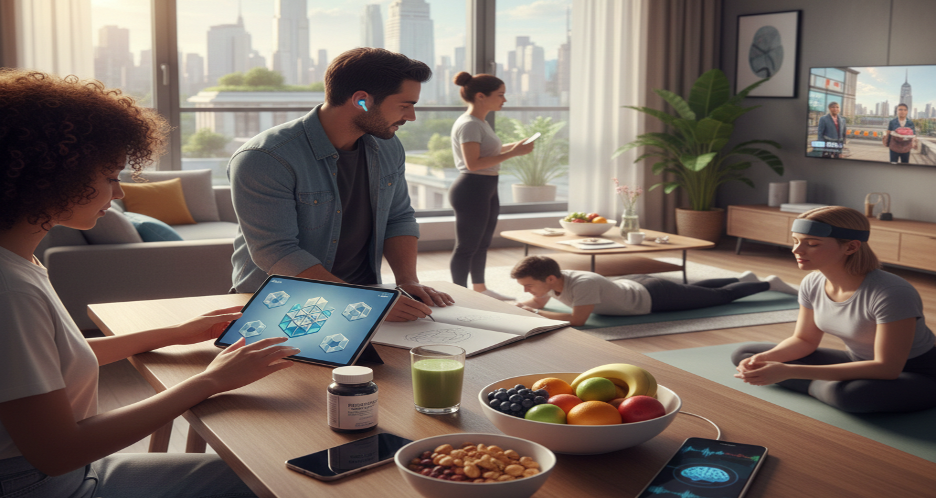
20-somethings integrate brain-aging prevention with skincare, leveraging a critical midlife window starting now to build cognitive reserve. 150 minutes of weekly aerobic exercise boosts hippocampal volume by 2% via neurogenesis, slashing decline risks 30-50% when paired with puzzles, languages, and social ties. Polyphenol-rich diets combat oxidative stress, mirroring anti-aging strategies like GDF11 from young plasma trials that regenerate mouse hippocampus.
Gen Z stacks nootropics with neuro-wearables to track and reverse brain age by 5 years, countering “brain rot” from digital overload. Habits like 7-9 hours sleep, hydration, and limited alcohol preserve neuroplasticity, vital as brain disorders loom—tripling dementia cases by 2050. Early intervention fortifies against neurodegeneration shared with Alzheimer’s pathways.
Cognitive Health: 2026’s Premier Asset
Cognitive health eclipses financial portfolios as 2026’s top asset, with brain disorders draining USD 8.5 trillion yearly—doubling to USD 16 trillion by 2030 in lost productivity. Mental health claims 12 billion workdays and USD 1 trillion annually, but brain capital investments could unlock USD 11.7 trillion GDP via 12% productivity surges, per McKinsey—plus USD 6.2 trillion cumulative gains and 267 million averted disability years by 2050.
Healthcare VCs hit USD 3.9 billion in Q3 2025 for AI-cognitive tools, as workforce upskilling hits 59% by 2030 amid automation. Unlike volatile stocks, optimized brains compound through neuroplasticity, fueling innovation in an AI-driven economy where CEOs prioritize brain health for sustainability. Mental fitness now rivals physical, per 2026 trends, making brain wealth essential portfolio diversification.
Your Brain Wealth Action Plan
Build brain wealth with this evidence-based routine, blending market-leading tools for measurable ROI like quarterly brain age reductions.
| Component | Protocol | Stat-Backed Impact |
| Nootropics | Mind Lab Pro: 500mg Citicoline + 350mg Rhodiola daily | 20-30% memory/focus gains |
| Neurotech | Naox Wave EEG (250 Hz, 10-hr battery) | Real-time vigilance & brain age |
| Exercise | 150 min moderate aerobic weekly + 7,500 steps | 2% hippocampal growth, 30-50% risk cut |
| Diet/Sleep | Polyphenols, 7-9 hrs, limit alcohol/screens | Neuroplasticity preservation |
| Tracking | App insights + social/puzzles | Cognitive reserve buildup |
Morning nootropics fuel focus; midday Naox tracks performance; evenings reflect via GDF11-inspired recovery. Consistency turns brain wealth into career longevity amid 2026’s uncertainties—USD 14 billion brain supplements alone affirm its ROI. Millennials and Gen Z: optimize now, thrive forever.