



Have you ever heard of the saying, “Money doesn’t grow on trees”? Well, what if I told you that, actually, it can! In fact, not only on trees but under them, around them, and in fields. Yes, we are talking about organic farming, a rapidly growing industry that’s not just about healthy living but also about big bucks!
So, if you’re tired of that mundane desk job, always dreamed of getting your hands a little dirty (in a good way), and are looking to grow something more than just crops — how about growing your wealth through organic farming?
Let me walk you through how you can become a millionaire, not by selling tech or stocks, but by sowing the seeds of success… quite literally!
Farming: Not Just for the Illiterate
Before you roll your eyes and think, “Farming? That’s for uneducated folks!” — let me stop you right there. Farming in today’s world is a technical field that requires as much skill, innovation, and precision as any white-collar job.
If you’re educated, don’t assume farming is beneath you. In fact, your knowledge can be your biggest advantage. Just like Akbar the Great, who couldn’t write his own name yet ruled an empire, you don’t need a degree to succeed in farming — but education and smart techniques can certainly help you transform your land into a gold mine.
In this new age, farming isn’t just about throwing seeds into the soil and waiting for the magic to happen. It’s about science, technology, and strategy. With the right methods, you can boost your crop yield by 50% or more. And that’s just the beginning of how organic farming can turn your land into a wealth-generating machine.
Starting with the Basics: Water, Soil, and Seeds
Organic farming is all about working in harmony with nature, and it begins with three fundamentals: water, soil, and seeds. Here’s how to get started:
1. Build a Reservoir for Water Management
One of the biggest challenges in farming is the weather, especially the lack of water. That’s why building a reservoir is critical. Whether you’re in a rainy region or a dry one, storing water ensures you have enough to feed your crops throughout the year. Once you’ve got your reservoir filled, you can set up a drip irrigation system to water your plants directly at the roots, minimizing wastage.
Water is a precious resource, and efficient usage is the key to success in farming. Imagine having enough water stored that you don’t have to worry about droughts or dry spells — now that’s what we call security!
2. Soil: Your Most Important Asset
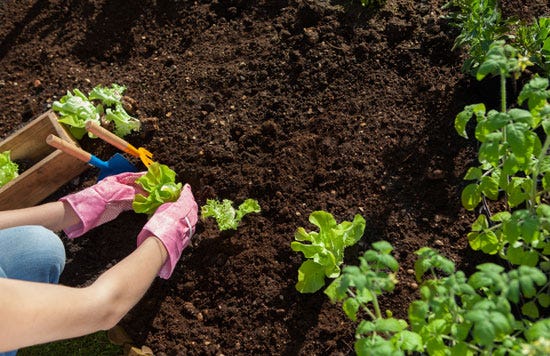
Organic farming thrives on healthy soil. Forget chemical fertilizers — the real magic lies in compost, vermiculture, and using natural substances like cow dung.
These enrich your soil, making it more fertile and sustainable in the long run. Organic farming is all about sustainability, meaning that what you put into the soil today will keep giving back to you for years to come.
3. Seeds: The Gold in Your Hand
Whether you’re growing vegetables, fruits, or cereals, your seeds are your most important investment. Go for organic, non-GMO seeds to ensure that your produce remains pure and free from harmful chemicals. Trust me, customers will pay top dollar for the assurance that their food is clean, green, and grown naturally.
4. Crop Selection: Maximize Your Returns
Now, here’s the real trick to making money: diversify your crops. Want to increase your chances of striking gold? Don’t just rely on one crop. Grow different vegetables, fruits, and grains. Here’s a pro-tip: grow creeping vegetables like gourds around your orchard trees. They won’t compete for space, and you’ll be able to sell them almost for free because they use the same water and nutrients as your orchard.
Get Aniket Singh’s stories in your inbox
Join Medium for free to get updates from this writer.Subscribe
For example, if you have fruit-bearing trees, plant vegetables like tomatoes, cucumbers, or melons underneath. The trees will act like a natural polyhouse, protecting your veggies from extreme weather conditions. The best part? The vegetables will grow quickly, giving you a steady source of income while you wait for the fruit to ripen.
Going High-Tech: Making the Most of Your Land
Now, I know what you’re thinking: “This sounds like a lot of work!” But don’t worry — with a little upfront investment and modern farming techniques, you’ll be on your way to becoming a millionaire in no time.
1. Drip Irrigation & Sprinklers: Save Water, Save Money
By using drip irrigation systems, you can reduce water usage while ensuring that your plants receive exactly what they need. Drip irrigation provides a steady, controlled supply of water to the plant’s roots, promoting healthy growth and reducing water waste. It’s the efficient farmer’s best friend.
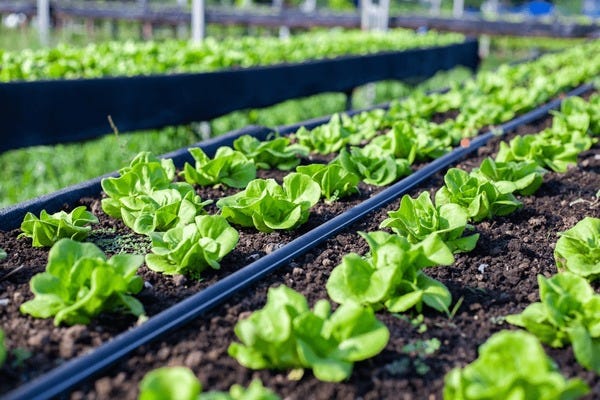
If you want to take things to the next level, set up a sprinkler system in areas where you grow vegetables. This system will help ensure that every plant gets water, without you needing to stand in the field with a hose all day. Plus, it’s way more efficient than traditional watering methods, which means less effort for you and more profits.
2. Think Smart, Plant Closer
Conventional farming wisdom says that trees should be planted 20 feet apart, but I say: get creative! You can reduce the space between trees and use the area underneath for companion planting. This way, you’re using every square inch of your land to its fullest potential.
By planting trees 18 feet apart, for instance, you can grow vegetables in between them. As the trees grow, their canopies will create a micro-environment, allowing you to grow crops beneath them just like in a polyhouse.
Why Organic Farming Pays More
Okay, let’s talk money. Why is organic farming more profitable? Well, there are a few reasons.
1. Higher Market Prices
Organic produce fetches a premium price in the market. Consumers are becoming more conscious about what they eat, and they’re willing to pay extra for chemical-free, naturally grown food. So while your neighbor might be selling conventional tomatoes at $1 per pound, you could be selling yours for $3!
2. Lower Costs, Higher Profits
Yes, there’s a little bit of investment upfront, but once your organic farm is up and running, the costs are significantly lower than traditional farming. You won’t be spending money on expensive chemical fertilizers or pesticides. Instead, you’ll rely on natural compost and organic sprays, which are not only cheaper but better for the environment and your health.

3. Long-Term Sustainability
Organic farming isn’t just a short-term moneymaker — it’s a sustainable business. Your land will remain fertile, your water usage will be lower, and you’ll be helping to protect the environment.
Ram Rahim’s Take on Organic Farming
Now, you’ve got all the tips and tricks to become an organic farming millionaire. But there’s one more thing you need: willpower. And who better to teach us about that than spiritual leader Ram Rahim, who has been a vocal supporter of organic farming?
In one of his recent online Gurukul sessions, Ram Rahim shared tips on how to boost willpower and self-confidence through meditation and yoga. He emphasized that staying healthy in challenging conditions, both physically and mentally, is key to success in any field — and farming is no exception.
https://cdn.embedly.com/widgets/media.html?src=https%3A%2F%2Fwww.youtube.com%2Fembed%2FNKHVx7rL6I8%3Ffeature%3Doembed&display_name=YouTube&url=https%3A%2F%2Fwww.youtube.com%2Fwatch%3Fv%3DNKHVx7rL6I8&image=https%3A%2F%2Fi.ytimg.com%2Fvi%2FNKHVx7rL6I8%2Fhqdefault.jpg&type=text%2Fhtml&schema=youtube
In addition, Ram Rahim has launched an initiative called Scientific Farming, where he educates and guides farmers to get better yields using scientific techniques. By promoting organic and sustainable practices, he encourages farmers to grow crops that not only feed the world but also their bank accounts.
So, if you’re ready to break free from the corporate grind and want to grow cash while contributing to a healthier planet, organic farming is your golden ticket. Follow these tips, stay determined, and watch your wealth grow, one harvest at a time!