


Everyone Talks About It. Few Understand It.
Meditation has become one of the most talked-about wellness practices today. From corporate workshops to social media reels, everyone seems to be recommending it.
Yet, for most people, meditation remains confusing, intimidating, or misunderstood.
Some think it’s spiritual.
Some think it’s religious.
Some think it means stopping all thoughts.
In reality, meditation is far simpler—and far more practical—than most people believe.
Let’s separate myths from facts.
MYTH 1: Meditation Means “No Thoughts”
FACT:Meditation does not mean stopping thoughts.
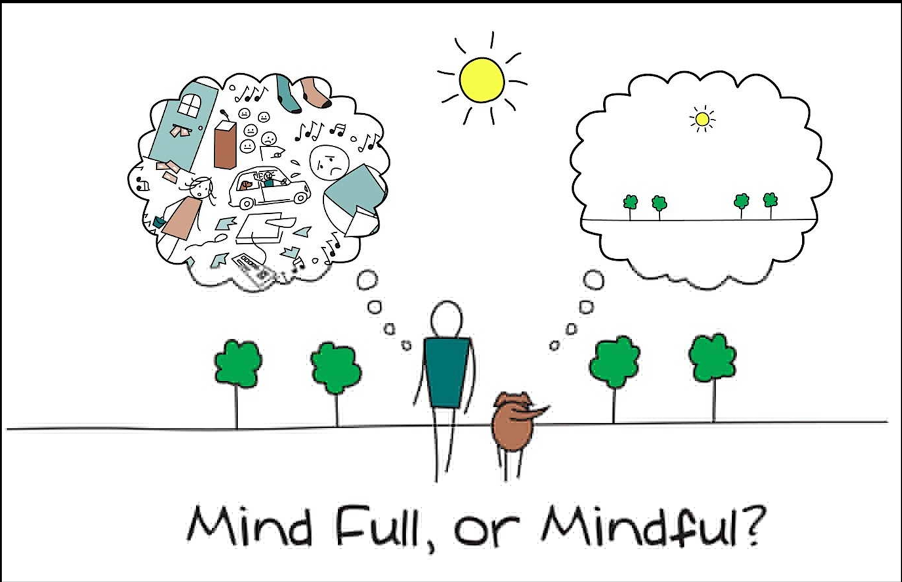
The human brain produces thoughts continuously. Expecting zero thoughts during meditation is like expecting the heart to stop beating during exercise.
Meditation is about not reacting to thoughts—not eliminating them.
You notice a thought.
You don’t follow it.
You return attention.
That’s meditation.
MYTH 2: Meditation Is Only for Spiritual or Religious People
FACT:Meditation is a mental skill, not a belief system.
Just like physical exercise trains muscles, meditation trains:
- attention
- emotional regulation
- awareness
Doctors, athletes, soldiers, CEOs, and psychologists use meditation—not for spirituality, but for mental clarity and resilience.
MYTH 3: You Need Hours of Practice to See Benefits
FACT: Even 5–10 minutes a day can make a difference.
Consistency matters more than duration.
Short, regular practice:
- reduces mental clutter
- improves focus
- lowers stress response
Meditation is not about intensity.
It’s about repetition.
MYTH 4: Meditation Is About Escaping Reality
FACT:Meditation does the opposite—it helps you face reality more clearly.
By observing thoughts instead of reacting automatically, you:
- respond calmly
- think before acting
- reduce impulsive decisions
Meditation improves presence, not escape.
MYTH 5: Meditation Is Only for Calm People
FACT:Meditation is most useful for restless minds.
If your mind is busy, anxious, distracted, or overthinking—that’s exactly why meditation helps.
You don’t meditate because you’re calm.
You meditate to learn how to become calmer over time.
WHAT MEDITATION ACTUALLY IS (In Simple Words)
Meditation is:
- Training attention
- Observing thoughts without judgment
- Creating space between stimulus and response
It is mental hygiene, just like brushing teeth is physical hygiene.
🧩 WHAT MEDITATION IS NOT
- Not chanting necessarily
- Not sitting cross-legged for hours
- Not suppressing emotions
- Not becoming emotionless
Meditation makes you more aware, not detached.
HOW TO START (WITHOUT OVERTHINKING)
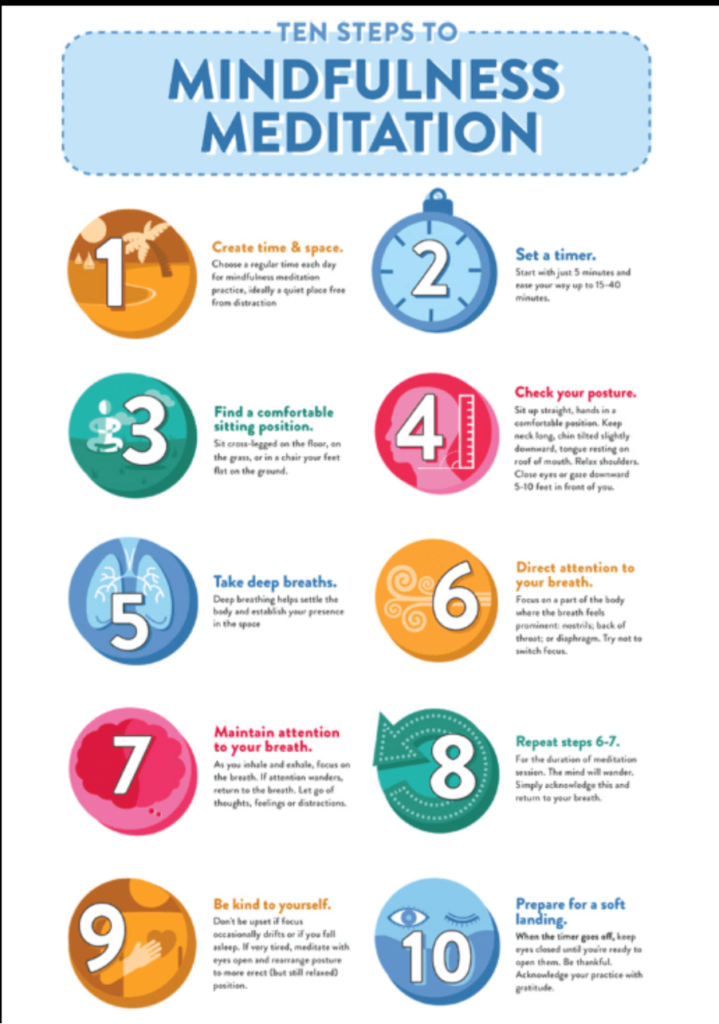
A simple starting method:
- Sit comfortably
- Close your eyes
- Focus on your breath
- When thoughts come, gently return to breath
- Stop after 5 minutes
That’s enough.
No app.
No mantra.
No perfection.
WHY MEDITATION MATTERS IN TODAY’S LIFE
In a world of:
- constant notifications
- information overload
- emotional pressure
Meditation helps you:
- slow down reactions
- think clearly
- regulate emotions
- improve decision-making
It doesn’t change life around you.
It changes how you handle it
Conclusion
Meditation is neither mysterious nor complicated.
It has been over-romanticised, over-marketed, and over-explained.
At its core, meditation is simply:
learning to be aware without being overwhelmed.
Once this is understood, meditation stops being intimidating—and starts becoming practical.