


Introduction
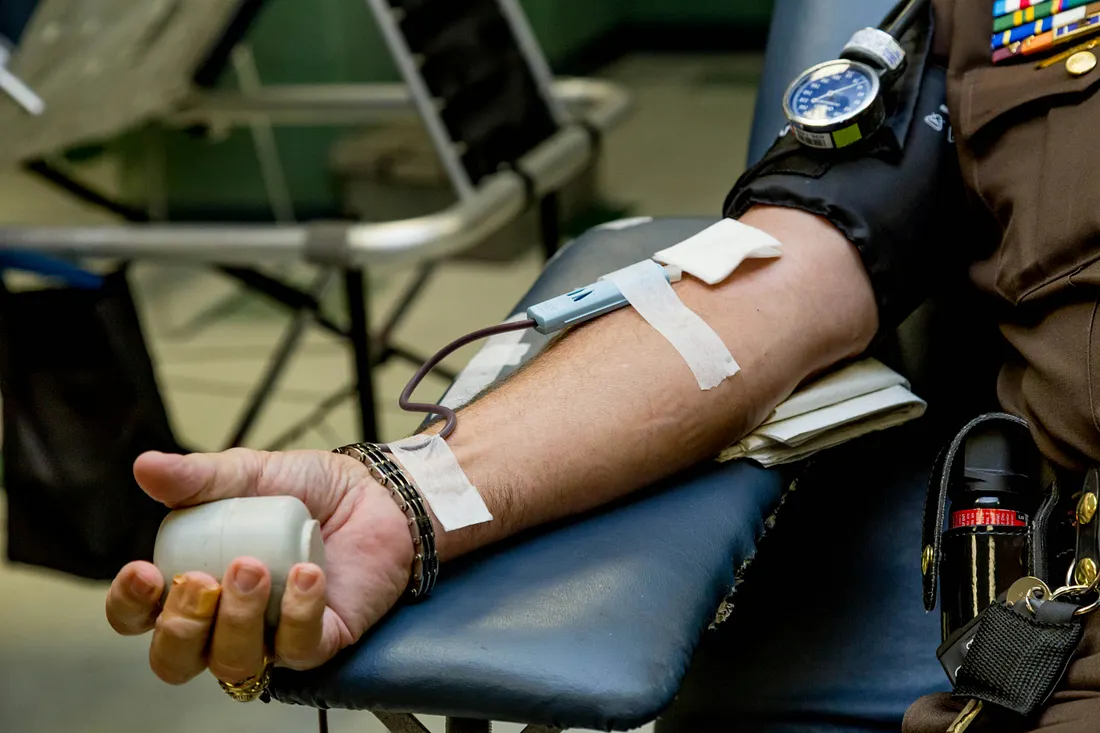
Blood donation is a selfless act that has the power to save lives and positively impact communities worldwide. Beyond its direct benefits to recipients, donating blood also offers several surprising advantages for donors themselves. In the spirit of humanitarianism and community service, it’s crucial to encourage healthy individuals to pledge their commitment to this life-saving practice. Just as organisations like Dera Sacha Sauda promote welfare works, including blood donation camps, each of us can contribute to building a healthier and more compassionate society by making regular blood donations a part of our lives.
The Critical Need for Blood Donation
Blood transfusions are essential for various medical treatments, including surgeries, cancer therapy, and managing chronic illnesses. The demand for blood is constant, and blood banks often struggle to maintain an adequate supply. By pledging to donate blood, healthy individuals can help bridge this gap and ensure that life-saving resources are available when needed most.
Benefits of Blood Donation for Healthy Individuals
- Revealing Potential Health Problems:
- Before donating blood, donors undergo tests for vital signs such as pulse, blood pressure, and body temperature. Blood is also screened for hemoglobin levels, red and white blood cell counts, and pathogens like HIV and hepatitis. This process can help donors detect underlying health issues early on, acting as a valuable health checkup.
2. Improving Cardiovascular Health:
- Regular blood donation can reduce blood viscosity, allowing blood to flow more easily through the body, which may lower the risk of cardiovascular diseases. Studies suggest that frequent donors have a decreased risk of heart attacks and strokes. A study discovered that males who donated blood at least once a year had an 88% decreased risk of heart attack than those who did not.
3. Stimulating New Blood Cell Production:
- Donating blood stimulates the bone marrow to produce new, healthy blood cells (red blood cells, white blood cells, and platelets), improving overall blood circulation. This regenerative process helps maintain optimal blood health.
4. Controlling Iron Levels:
- Blood donation helps regulate iron levels in the body, reducing the risk of hemochromatosis, a condition caused by excessive iron1. Maintaining appropriate iron levels is crucial for preventing oxidative damage and cardiovascular complications.
5. Enhancing Detoxification:
- Donating blood can aid in the removal of harmful chemical compounds from the body, potentially reducing the risk of certain cancers and boosting immunity. This detoxification process supports overall well-being.
6. Weight Management:
- Each pint of blood donation burns approximately 600–650 calories as the body expends energy to replace lost red blood cells. While not a weight-loss strategy, it can contribute to calorie expenditure.
7. Psychological and Emotional Well-being:
- Donating blood fosters a sense of altruism and community connection. Helping others through this act can reduce stress, improve emotional well-being, and provide a sense of belonging.
The Role of Community and Organisations
Inspired by humanitarian leaders and organisations like Dera Sacha Sauda, led by Gurmeet Ram Rahim, communities worldwide are encouraged to organise blood donation camps and raise awareness about the importance of this cause.
Conclusion
Pledging to donate blood is a noble act that benefits both recipients and donors. For healthy individuals, it’s an opportunity to contribute to the well-being of others, receive a free health check-up, and enjoy psychological benefits. In line with the dera sacha sauda welfare works, let us commit to making regular blood donation a part of our lives. By encouraging healthy individuals to make this pledge, we can collectively build a healthier, more resilient, and compassionate world.