


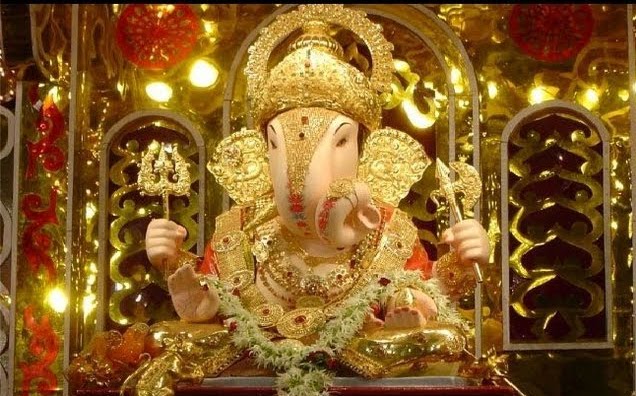
Lord Ganesha, the elephant-headed deity revered as the remover of obstacles, holds a special place in Maharashtra’s heart, where his worship surpasses that in many other Indian states. This devotion stems from ancient historical roots, royal patronage during the Maratha era, strategic revival by freedom fighters, and vibrant modern celebrations that unite communities. Ganesh Chaturthi, the grand ten-day festival, exemplifies this, drawing millions into a spectacle of faith, culture, and social harmony.
Ancient Foundations of Devotion
The worship of Lord Ganesha in Maharashtra dates back over two millennia, intertwined with the region’s early dynasties. The Satavahana Empire, ruling from the 2nd century BCE to the 3rd century CE, left inscriptions hinting at Ganesha veneration, portraying him as Vinayaka, the leader of ganas or divine attendants. Historians note that cave temples in places like Junnar bear early carvings of Ganesha, showcasing his elephantine form even before widespread Puranic literature.
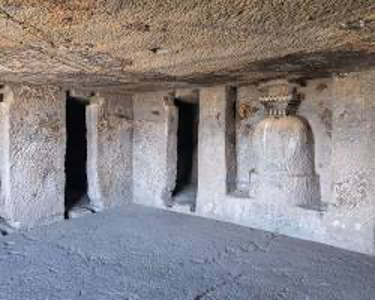
Subsequent Rashtrakuta and Chalukya rulers from the 8th to 10th centuries further embedded Ganesha in Maharashtra’s spiritual landscape. Ellora Caves feature detailed Ganesha sculptures, symbolizing his role in prosperity and intellect. The Mudgala Purana and Ganesha Purana, key texts dedicated solely to him, originated in this fertile Deccan region, detailing 32 forms of Ganesha, from Bala Ganapati to Ucchhishta Ganapati. These scriptures emphasize rituals like modak offerings—sweet dumplings representing the sweetness of knowledge—and durva grass, symbolizing humility.
Saint Morya Gosavi, a 14th-16th century poet-saint, played a pivotal role in popularizing Ganesha as Maharashtra’s kuladevata or family deity. His abhangs (devotional poems) like “Morya Re, Gosavi Morya” echoed through villages, establishing pilgrimages to sites like Morgaon. The Ashtavinayaka circuit—eight sacred self-manifested temples including Theur, Lenyadri, Ranjangaon, Siddhatek, Ojhar, Mahad, Pali, and Morgaon—became cornerstones of Marathi Hinduism. Each temple has unique myths: Siddhatek’s Ganesha grants siddhis or supernatural powers, while Pali’s protects against evil.
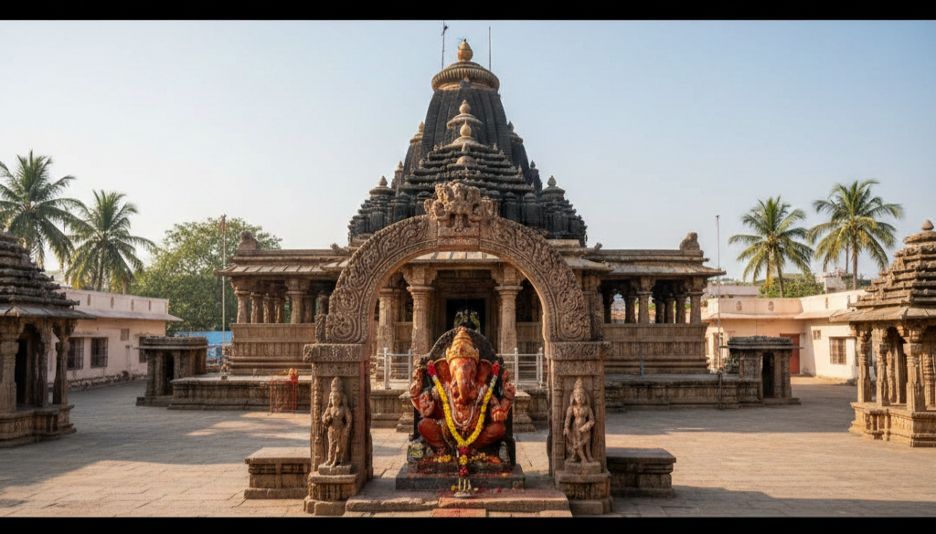
This ancient legacy ensured Ganesha transcended caste barriers, appealing to Brahmins, Kunbis, and Marathas alike. His symbols—large head for wisdom, small eyes for focus, curved trunk for adaptability, and mouse vahana for conquering ego—resonated in agrarian Maharashtra, where farmers invoked him for bountiful harvests.
Maratha Empire: Royal Patronage and Grandeur
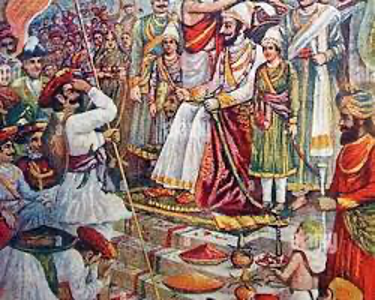
The Maratha Empire elevated Ganesha worship to state-sponsored splendor. Chhatrapati Shivaji Maharaj (1630-1680), the founder, declared Ganesha his kuladevata, installing a massive idol at Raigad Fort during his 1674 coronation. Amid battles against Mughals, Shivaji performed Ganesh Chaturthi with public processions, using the deity’s unifying power to rally troops and civilians. Chronicles describe Raigad celebrations with naivedya of 56 dishes, aarti by royal priests, and sankirtan by saints like Tukaram.
Peshwa rule from 1713 to 1818 in Pune transformed this into opulent affairs. Peshwa Bajirao I built the Kasba Ganapati temple, while Madhavrao Peshwa patronized poets composing Ganapati stotras. The Dagadusheth Halwai Ganpati Temple in Pune originated from a merchant’s vow after losing his son to plague in 1892—though post-Peshwa, it echoes their era’s devotion. Peshwas hosted ten-day Ganeshotsav with dance by devadasis, music from shehnai players, and feasts distributing pedas and modaks to thousands.
Maratha literature flourished with Ganesha themes. Moropant, the 18th-century mahakavi, penned Ganapati Kavya, while Mukteshwar’s works invoked Lambodara (big-bellied Ganesha). These texts popularized keywords like Ganapati Bappa, Vignaharta, and Ekdant, embedding them in folk songs. Temples multiplied: Shree Siddhivinayak in Prabhadevi, Mumbai (built 1801), became a beacon, its gold-plated dome symbolizing enduring faith.
Ganesha unified diverse sects—Shaivas saw him as Shiva’s son, Vaishnavas as Vishnu’s brother—fostering social cohesion in a warrior society.
Colonial Suppression and Tilak’s Nationalist Revival
British conquest in 1818 diminished public festivities, confining them to homes to curb “native gatherings.” Ganesh Chaturthi survived privately, with families crafting clay idols and whispering prayers.
Lokmanya Bal Gangadhar Tilak revolutionized this in 1893. Facing bans on political meetings, Tilak launched sarvajanik (public) Ganesh Utsav in Mumbai’s Girgaon and Pune. His Kesari newspaper advertised pandals at Keshavji Naik Chawl—the oldest mandal—and used them for swadeshi speeches, uniting Hindus against colonial rule. Tilak standardized the ten-day format: installation on Chaturthi, modak uttsav on fifth day, immersion on Anant Chaturdashi.
Pioneers like Bhausaheb Rangari and Balasaheb Natu erected Pune’s first public idol, sparking mandals in Dadar, Parel, and Girgaon. By 1900s, themes incorporated nationalism; 1940s pandals addressed World War efforts. Tilak’s vision democratized worship, inviting all castes, women, and even Muslims to aartis.
This revival birthed iconic mandals: Lalbaugcha Raja in Mumbai (1934), vowed post-plague for protection, now visits 1.5 crore devotees yearly with its 25-foot idol. GSB Seva Mandal (1901) emphasizes eco-idols.
Rituals, Traditions, and Daily Practices
Ganesh Chaturthi unfolds in Bhadrapada (August-September). Pran pratishtha consecrates idols with panchamrit bath, followed by padya pooja (foot worship). Daily: madhyan aarti at noon, naivedya of 21 modaks, durva, and tulsi leaves. Evenings feature dhol-tasha morchas—drumming processions with lezim dances.
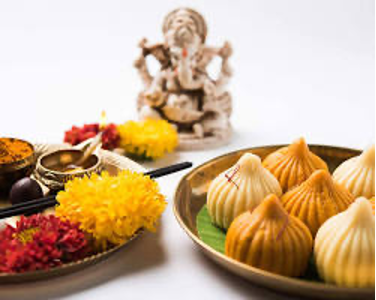
Unique to Maharashtra: ekadashi (11-day) or panchadashi (15-day) in rural areas; Mumbai’s 1.5-day visarjan with celebrity darshans. Visarjan climaxes with truck processions, fireworks, and “Ganapati Bappa Morya Pudhchya Varshi Lavkar Ya” chants.
Home rituals include ganpati atharvashirsha recitation, symbolizing wisdom. Foods: ukdiche modak (steamed), fried modak, puran poli. Artisans shape 40,000 idols annually, from Plaster of Paris to eco-clay.
Cultural and Economic Impact
Ganeshotsav is Maharashtra’s economic engine, employing lakhs in idol-making, decoration, and catering. Pune’s 2,500 mandals and Mumbai’s 12,000 generate crores, boosting tourism.
Culturally, it inspires theatre like “Siddhant” on Tilak, films such as “Zapatlela,” and literature by P.L. Deshpande. Socially, pandals tackle issues: environment (plastc-free drives), COVID awareness, women’s safety.
Ganesha influences education—schools start with his prayer—business (muhurat trading), weddings (first mangal aarti). His philosophy—Omkar principle, four arms for four goals (dharma, artha, kama, moksha)—guides Marathi life.
Modern Evolution and Global Diaspora
Today, tech enhances celebrations: apps for aarti timings, drone visarjans, VR darshans. Guinness records abound: largest modak mosaic, biggest pandal.
Environmentalism prevails with shadu matti idols dissolving in water. Women-led mandals empower genders; interfaith participation includes Christian bands.
Maharashtrian diaspora in USA (Atlanta Ganeshotsav), UK, Australia exports dhol-tasha, modak recipes. Bollywood stars like Amitabh Bachchan host pandals, globalizing “Bappa Morya.”
Enduring Legacy and Fascinating Facts
Ganesha’s Maharashtra supremacy reflects 2,000 years of evolution: 8 Ashtavinayaka sites, 20,000 mandals, 40 crore modaks yearly. Facts: Shivaji’s Raigad idol was 7 tons; Tilak’s 1893 event drew 10,000; Lalbaugcha Raja’s navel holds a diamond.
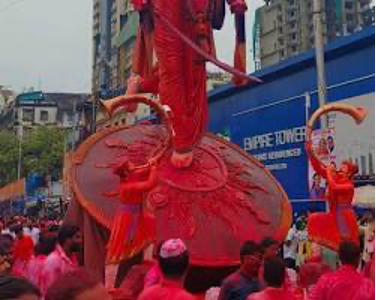
From ancient caves to skyscraper pandals, Ganesha embodies resilience, unity, intellect. In Maharashtra, he is not just a god but the state’s cultural heartbeat, promising “pudhchya varshi lavkar ya”—see you next year.