


Understanding Content Addiction Through the Lens of the SEED Campaign
Introduction: Paying More, Watching More—Feeling Less
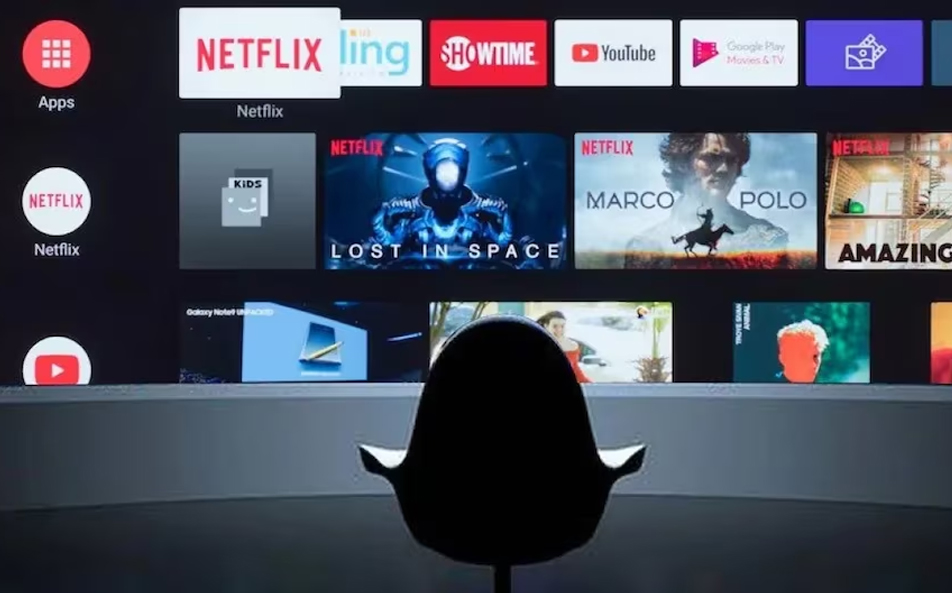
Not long ago, entertainment meant one television set and a shared remote. Today, it means juggling multiple OTT subscriptions—Netflix, Amazon Prime, Hotstar, Sony LIV, Zee5, and more. Individually, none of them feel outrageously priced. Yet together, they quietly drain wallets every month.

Despite rising costs, cancellations feel difficult. Even when subscriptions seem expensive, many people hesitate to let go. The question is no longer “Why are OTT platforms costly?” but rather:
Why do they feel unavoidable?
The answer lies deeper than pricing—it lies in content addiction, digital dependency, and a lifestyle that rarely pauses. This is precisely where the SEED Campaignof Dera Sacha Sauda offers a meaningful perspective.
The Illusion of “Affordable” Entertainment
OTT platforms rarely demand large upfront payments. Instead, they use:
- Monthly auto-debits
- Annual discounts
- Family-sharing plans
- Free trials that convert quietly into paid subscriptions
Each subscription feels manageable. But when combined, they often exceed traditional cable costs.
More importantly, payment is detached from consumption. We pay even when we do not fully watch, finish, or enjoy the content. This emotional disconnect normalises spending without reflection.

Why We Still Don’t Cancel
- Fear of Missing Out (FOMO)
OTT platforms release content strategically—new seasons, trending shows, exclusive films. Social conversations, memes, and headlines revolve around what’s “currently streaming.”
Canceling feels like opting out of a shared cultural moment.
- Algorithm-Driven Attachment
OTT platforms don’t just host content—they study behaviour:
- What you watch
- When you pause
- What you skip
- What keeps you hooked
The result is hyper-personalised recommendations that make every user feel, “This platform understands me.”
Letting go feels personal.
- Emotional Comfort & Escape
After long workdays or stressful routines, OTT becomes:
- A reward
- A distraction
- A coping mechanism
What starts as relaxation slowly becomes dependence—watching not for joy, but for relief.
From Entertainment to Content Addiction
Content addiction does not announce itself loudly. It enters quietly:
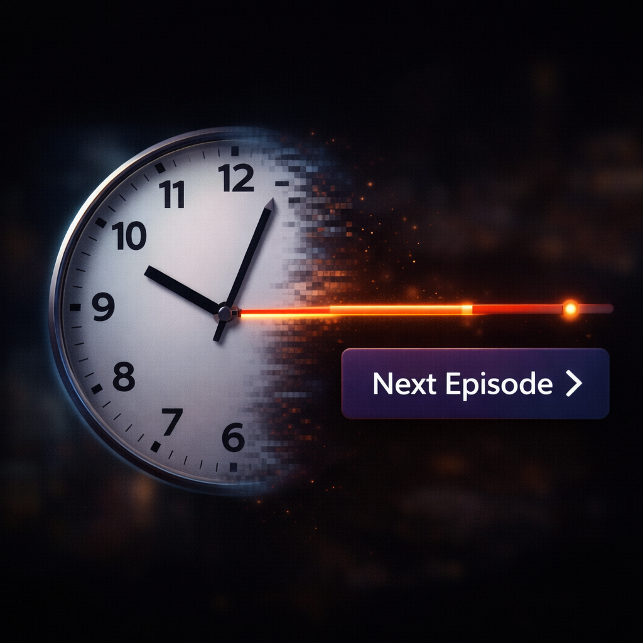
- “One episode before sleep” becomes three
- Background shows replace silence
- Meals, conversations, and rest happen alongside screens
- Weekend binge-watching feels compulsory, not optional
This addiction is subtle because it feels productive, informed, and socially acceptable. Yet it gradually affects:
- Attention span
- Sleep quality
- Family bonding
- Mental calm
The cost is not just financial—it is emotional and psychological.
SEED Campaign: A Conscious Pause in a Hyper-Connected World
The SEED Campaign (Social, Spiritual, and Self-life Enrichment and Enhancement with Digital Fasting) by Dera Sacha Sauda, under the guidance of Saint Dr Gurmeet Ram Rahim Singh Ji Insan, addresses this modern imbalance with clarity and compassion.
Rather than opposing technology, SEED promotes conscious usage.
Digital Fasting: Not Rejection, But Regulation
Digital fasting, as encouraged by SEED, does not demand quitting OTT platforms. Instead, it invites reflection:
- Are we watching by choice or by habit?
- Is entertainment refreshing us—or exhausting us?
- Are subscriptions serving us, or controlling our time?
Digital fasting introduces intentional pauses, helping individuals regain control over attention and priorities.
Reclaiming Social & Self-life Balance
Social Enrichment
Excessive OTT consumption often replaces real interaction:
- Family members sit together but watch separately
- Conversations shrink into silence
- Shared experiences reduce
SEED encourages rediscovering human presence—talking, listening, and reconnecting beyond screens.
Self-life Enrichment
Continuous content consumption overloads the mind. SEED’s approach helps:
- Restore focus
- Improve sleep routines
- Reduce mental fatigue
- Rebuild patience and clarity
When consumption becomes selective, entertainment regains its original purpose—joy, not compulsion.
Spiritual Stillness in a Streaming Era
One of the most overlooked impacts of OTT addiction is loss of stillness. Silence feels uncomfortable. Waiting feels empty.
SEED gently reminds us that:
- Stillness is not boredom
- Silence is not wasted time
- Reflection is not unproductive
Reducing digital noise allows space for introspection, gratitude, and inner balance—elements essential for long-term well-being.
Are OTT Platforms Truly Unavoidable?
OTT subscriptions feel unavoidable because we rarely pause to evaluate them. When usage becomes conscious:
- One platform often feels sufficient
- Watching becomes intentional
- Time feels less rushed
The sense of “unavoidability” fades when choice replaces habit.
Conclusion: Choosing Balance Over Binge

OTT platforms are not the problem. Unquestioned consumption is.
The SEED Campaign does not ask people to abandon modern comforts but to reclaim control over them. By practising digital fasting and mindful usage, individuals can:
- Reduce unnecessary expenses
- Break content addiction cycles
- Restore social and emotional balance
In a world overflowing with content, wisdom lies not in watching more—but in knowing when to stop.
Final Thought
Entertainment should refresh life, not replace it.
And sometimes, the most meaningful subscription is time spent consciously—away from the screen.