


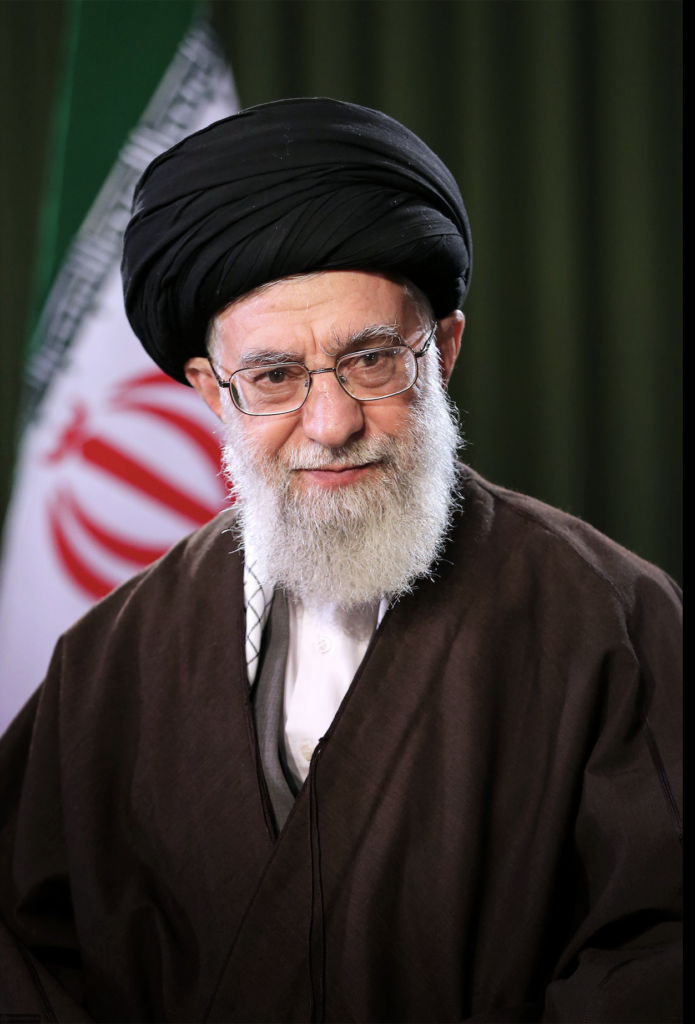
In the wake of the reported killing of Ayatollah Ali Khamenei, Supreme Leader of Iran, in a joint United States–Israel strike on March 1, 2026, protests have erupted across parts of India — from Kashmir to Hyderabad, Lucknow to Jaipur. These demonstrations are not merely spontaneous reactions but reflect deep historical, religious, and socio-political connections that bind sections of Indian society to developments in West Asia.
Let’s unpack why this issue has resonated in India, especially among communities that have strong emotional, cultural, or religious ties with Iran and its leadership.
What Sparked the Protests in India?
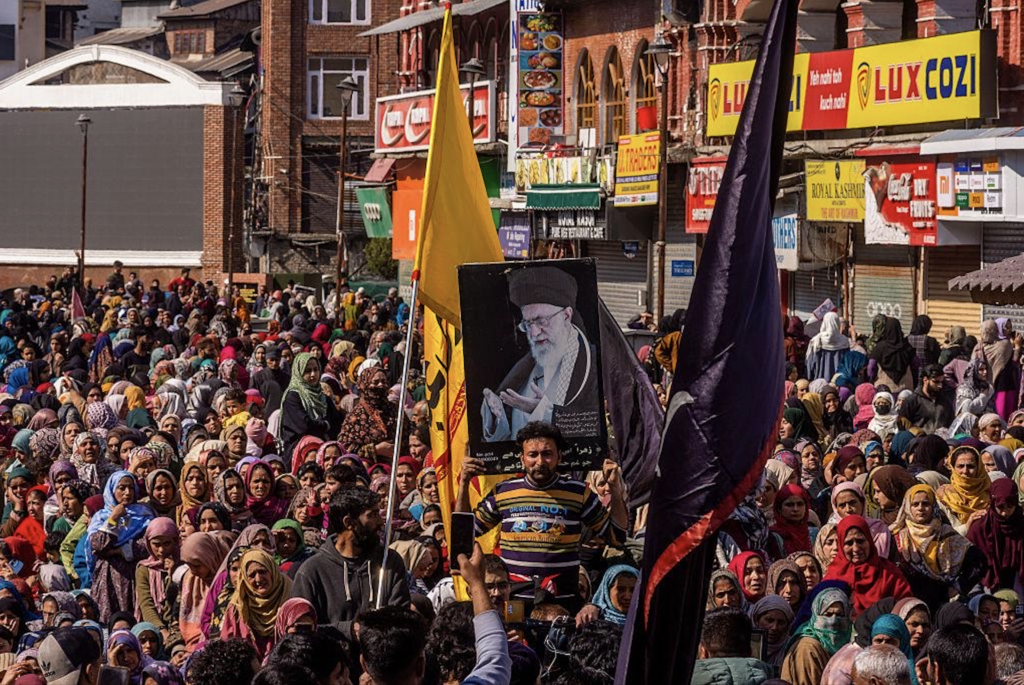
The protests across India, particularly in regions with significant Shia Muslim populations — such as Kashmir, Uttar Pradesh, Rajasthan, Telangana, and parts of South India — were triggered by anger and grief over the death of Khamenei. Demonstrations included mourning processions, slogans condemning the United States and Israel, and calls for justice.
In Srinagar’s Lal Chowk, large gatherings of mourners were reported, prompting authorities to seal off major areas and restrict mobile internet services to maintain public order.
But the protests in India are not just reactions to violence abroad — they reflect deeper emotional, historical, and political factors.
Historical & Cultural Connections Between India and Iran
1. Shared Religious Heritage
A significant factor behind the protests is the reverence that many Shia Muslims in India held for Khamenei as a spiritual authority and symbolic leader of the global Shia community. For India’s Shia population — estimated in the hundreds of thousands across states like Rajasthan, Uttar Pradesh, Jammu & Kashmir, Telangana and Maharashtra — Khamenei was more than a political figure; his legacy resonated with religious identity and collective memory.
Cities like Lucknow and Ajmer, which host historic Shia centres of culture and faith, saw mass processions and mourning gatherings that blended devotional rituals with political protests.
2. Kashmir’s “Little Iran” Link
In Kashmir, centuries-old cultural ties with Persia have earned the Valley the nickname “Iran-e-Sagheer” (Little Iran) — not just for linguistic and artistic influences, but also for shared spiritual practices and religious scholarship that historically flowed between the regions.
This historical affinity explains why cities across Jammu & Kashmir witnessed emotional protests and mourning rituals in response to Khamenei’s death.
Geopolitical and Emotional Triggers
1. Global Shia Solidarity
The killing of Khamenei — a towering figure in Shia political and religious discourse — has resonated beyond Iran’s borders, especially among communities who feel a sense of transnational Shia solidarity. For many protestors in India, the event symbolised an attack on a religious and cultural identity, triggering mourning, anger, and political expression.
2. Anti-US & Anti-Israel Sentiment
The majority of slogans and speeches during the protests targeted the U.S. and Israel, accusing them of imperialism and interventionism. This reflects broader public sentiment in parts of Indian society that view Western military actions in the Middle East with suspicion and as destabilising.
This kind of backlash is not unique to India; similar sentiments have sparked protests in other parts of the world following the strikes.
3. Domestic Politics & Identity
Some political and minority organisations in India have also framed the protests within larger narratives about India’s foreign policy stance, questioning why the Indian government had not immediately expressed condolences or taken a firmer diplomatic position after Khamenei’s death — reflecting tensions in balancing global alliances and domestic sentiments.
Additionally, left-leaning parties and community leaders in cities like Ranchi used the protests to condemn what they described as violations of international norms and to call for peace and diplomacy.
Lesser-Known Dimensions Behind Indian Protests
1. Solidarity Beyond Religious Lines
In some parts of India, even non-Shia activists and civil society members have joined the protests or expressed solidarity — not out of religious alignment, but as part of anti-war and anti-imperial movements that criticise foreign military interventions.
2. Regional Impact & Diaspora Concerns
Beyond protests, the conflict has had tangible effects on Indian citizens living in West Asia, including students, workers, and travellers whose flights were disrupted due to escalating tensions and airspace closures. This has added another layer of concern within Indian public discourse.
3. Local Governance & Security Measures
Several local governments — especially in Jammu & Kashmir — had to impose restrictions like internet shutdowns and area sealing in order to prevent unrest while ensuring safety, highlighting how sensitive such global events can be for internal peace.
What This Means for India Going Forward
The protests over Khamenei’s death in India reveal how global geopolitical events can resonate strongly at the local level, particularly within communities with shared religious or cultural ties.
While the immediate trigger was the reported killing of a foreign leader, the resulting demonstrations are as much about identity, political expression, and global solidarity movements as they are about mourning a figurehead.
In a world where local and global politics are increasingly intertwined, such protests remind policymakers and citizens alike of the complex lenses through which international events are perceived — often filtered through history, community identity, and lived experiences.