


In every city, you will find small shops, startups, and local entrepreneurs trying to survive in a competitive market. At the same time, big brands keep opening new branches, launching new products, and capturing more customers every year. This creates an important question: Why do small businesses struggle while big brands expand so easily?
The answer is not simple. It involves money, mindset, systems, technology, customer trust, and market power. This article explores the real reasons behind this gap and what small businesses can learn from big brands.
1. Financial Power: The Biggest Advantage of Big Brands
Money is the strongest weapon in business.
Big brands have:
Huge capital reserves
Investors and shareholders
Bank credit lines
Profits from multiple locations
This financial power allows them to:
Run advertisements everywhere
Offer discounts and cashback
Survive losses for months or even years
Invest in technology and research
Small businesses, on the other hand, usually run on limited savings or loans. If sales drop for a few months, they struggle to pay rent, staff salaries, and suppliers. This financial pressure forces them to make short-term decisions, while big brands think long-term.

2. Brand Trust and Recognition
People trust what they know.
Big brands have spent years building their name through marketing, customer experience, and consistent quality. When customers see a famous logo, they feel safe buying from it—even if the price is higher.
Small businesses face the opposite problem. Customers may think:
“What if the product is low quality?”
“What if there is no return policy?”
“What if the shop closes tomorrow?”
Building trust takes time, but big brands already have it, which gives them a massive advantage.

3. Marketing and Visibility
Big brands are everywhere—TV, YouTube, Instagram, billboards, influencers, and apps. Their marketing budgets are sometimes larger than the total revenue of small businesses.
They use:
Data analytics
Professional branding
Emotional storytelling
Influencer marketing
Performance ads
Small businesses often rely on word of mouth or basic social media posts. Without visibility, even the best product remains unnoticed.
4. Economies of Scale: Cheaper Costs for Big Brands
Big brands buy raw materials and products in bulk, which reduces their cost per unit. This is called economies of scale.
For example:
A large clothing brand orders 1 million T-shirts and gets them very cheap.
A small shop orders 100 T-shirts and pays a higher price per piece.
This allows big brands to:
Sell products at lower prices
Offer frequent discounts
Still make profit
Small businesses cannot compete with these prices, so customers often choose big brands.
5. Systems and Processes vs. Chaos
Big brands run on systems.
They have:
Standard operating procedures
Training manuals
Automated billing and inventory systems
Customer relationship management tools
Everything is organized and repeatable.
Small businesses often depend on the owner’s personal effort. If the owner gets sick or busy, the business slows down. Without systems, growth becomes difficult, and mistakes increase.

6. Access to Technology and Innovation
Technology is changing business fast—online stores, AI customer support, logistics automation, digital payments, and data-driven marketing.
Big brands invest heavily in:
E-commerce platforms
Mobile apps
AI recommendations
Supply chain automation
Small businesses may not have the money or knowledge to use advanced tools. As a result, they lose customers who prefer convenience and speed.
7. Strong Supply Chains and Logistics
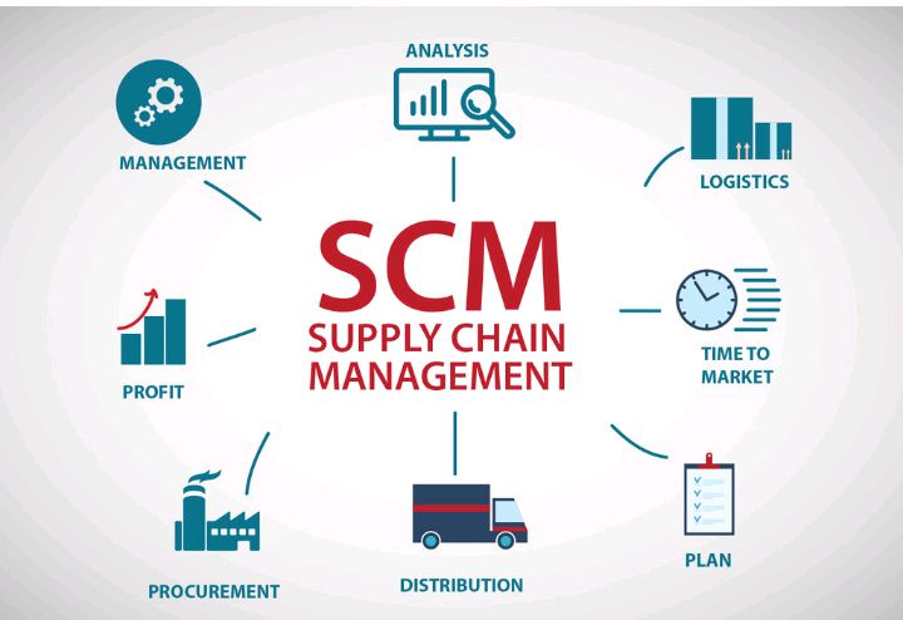
Big brands have global supply chains, warehouses, and delivery partnerships. They can deliver products faster and more reliably.
Small businesses often depend on local suppliers and manual logistics. Delays, stock shortages, and inconsistent quality are common problems. Customers today expect fast delivery, and small businesses struggle to meet these expectations.
8. Customer Psychology and Social Proof
People follow the crowd.
When millions of people use a brand, new customers feel confident choosing it. Reviews, ratings, and testimonials act as social proof.
Big brands:
Have thousands of online reviews
Use celebrities and influencers
Show customer success stories
Small businesses rarely have this level of social proof, so customers hesitate.

9. Risk-Taking Ability
Big brands can experiment.
If a new product fails, they still have hundreds of other products to support them. Small businesses cannot afford many failures. One wrong decision can destroy the entire business.
Because of this, small businesses often avoid innovation, while big brands constantly test new ideas and capture new markets.

10. Mindset and Strategy Differences
Big brands think like corporations. They plan for 5, 10, or 20 years. They focus on:
Market share
Customer lifetime value
Brand positioning
Long-term profits
Many small businesses focus only on daily sales and survival. Without strategy, growth becomes accidental rather than intentional.
So, Are Small Businesses Doomed?
Absolutely not.
Small businesses also have unique advantages:
1. Personal Connection
Customers often prefer local shops because of friendly service and human connection.
2. Flexibility
Small businesses can change quickly. Big brands move slowly because of bureaucracy.
3. Niche Markets
Small businesses can serve specific communities or unique products that big brands ignore.
4. Authenticity
People love handmade, local, and authentic brands. This emotional factor can beat corporate brands.

How Small Businesses Can Compete with Big Brands
Here are some practical strategies:
1. Build a Strong Brand Identity
Even a small business can look professional with good logo, packaging, and social media design.
2. Use Digital Marketing Smartly
You don’t need millions. Use:
Instagram Reels
WhatsApp marketing
Local SEO
Customer referrals
3. Focus on Customer Experience
Big brands often feel cold. Small businesses can win with personalized service.
4. Use Technology Wisely
Free or cheap tools like:
Google My Business
Canva
Online payment apps
Simple inventory software
5. Create a Community
Loyal customers are more powerful than ads. Build relationships, not just sales.
6. Offer Unique Value
Don’t compete only on price. Compete on quality, customization, and story.
Conclusion
Small businesses struggle not because they are weak, but because big brands operate with massive resources, systems, and market power. Big brands expand because they have capital, technology, marketing strength, trust, and long-term strategies.
However, history shows that many big brands started as small businesses. The difference was vision, discipline, branding, and systems.
In today’s digital world, small businesses have more opportunities than ever. With smart strategy, creativity, and customer-focused thinking, small businesses can not only survive but also challenge big brands.