
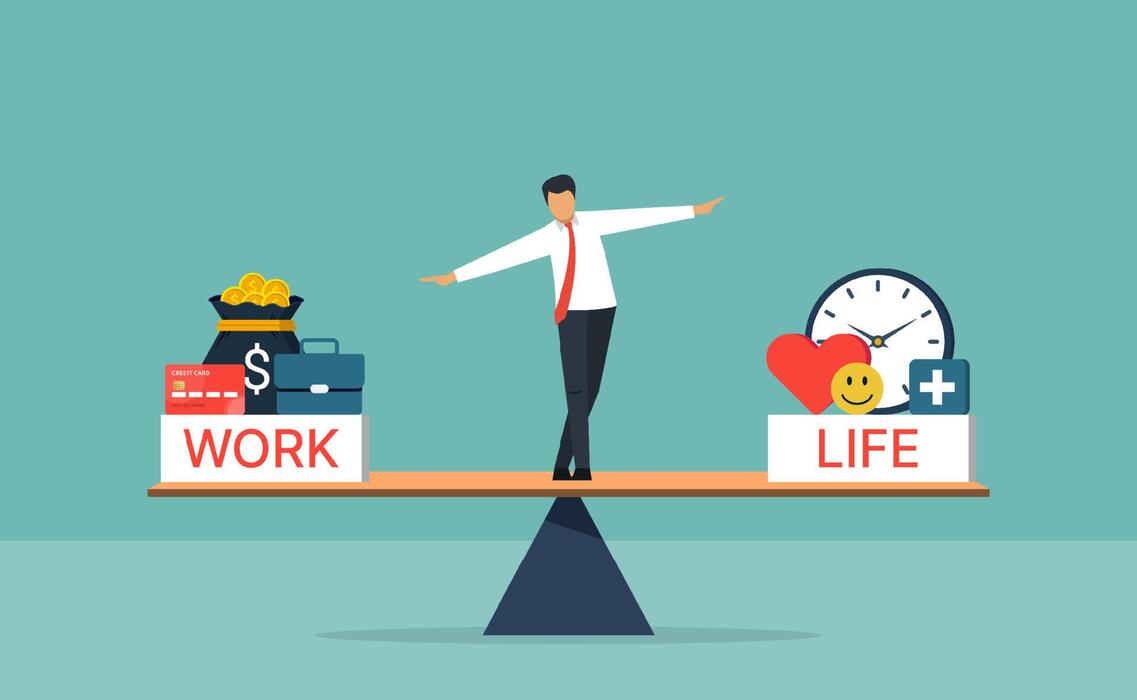
The uncomfortable reality of the 9-to-5 corporate life
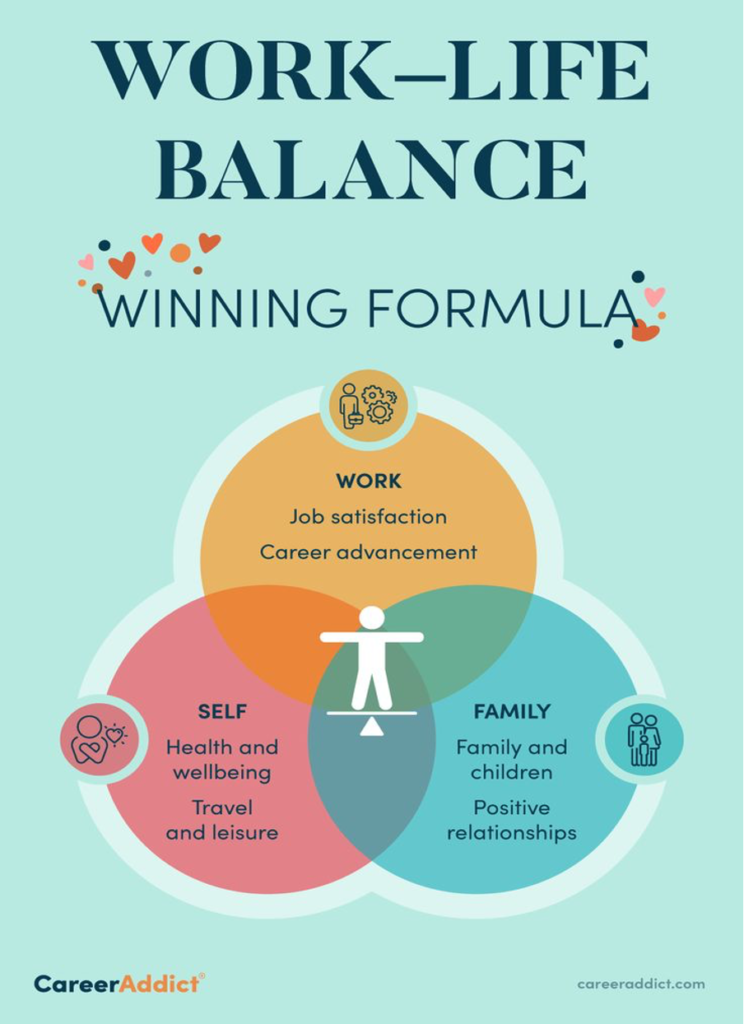
Walk into almost any modern office and you’ll see it framed neatly on the wall:
“Work-Life Balance Matters.”
Sometimes it’s a pastel poster. Sometimes a motivational quote from a billionaire who hasn’t worked fixed hours in decades.
And yet, ask for flexible working hours—and suddenly, that balance feels negotiable.
This contradiction sits at the heart of corporate life today.

The Poster Culture: Balance as a Branding Tool
Over the last decade, “work-life balance” has become a corporate branding asset.
It looks good:
- On career pages
- In HR decks
- On LinkedIn posts
- During campus placements
But most of the time, it’s aspirational language, not operational reality.
The poster is easy.
Changing systems is hard.
9-to-5: Discipline or Control?
The traditional 9-to-5 model was designed for:
- Factory floors
- Assembly lines
- Manual supervision
Yet, it continues to dominate knowledge work, where output matters more than presence.
Why?
Because fixed hours offer:
- Visual control
- Predictable attendance
- Easier supervision
- Less managerial effort
Flexible hours, on the other hand, demand trust, clarity, and outcome-based leadership—skills many organizations still struggle with.
“We Trust You”… But Please Be Online
Many companies claim flexibility, but attach invisible conditions:
- “You can log in late, but stay available all day”
- “Work from home, but respond instantly”
- “Flexible hours, as long as meetings stay fixed”
What’s marketed as freedom often becomes always-on availability.
The clock disappears—but the pressure doesn’t.
The Unspoken Fear: Loss of Control
At its core, resistance to flexible hours isn’t about productivity.
It’s about control.
Managers worry:
- “How do I know they’re working?”
- “What if output drops?”
- “What if others ask for the same?”
Instead of measuring:
- Quality of work
- Timely delivery
- Impact
Organizations fall back on:
- Login times
- Green dots
- Attendance sheets
Because those are visible—even if they’re meaningless.
Burnout Isn’t About Hours—It’s About Autonomy
The World Health Organization defines burnout as a workplace phenomenon linked to chronic stress—not laziness or lack of resilience (WHO Burnout Definition).
Common triggers include:
- Micromanagement
- Unclear expectations
- Lack of control over time
Ironically, many companies invest in wellness programs while avoiding the most effective intervention: giving employees control over how and when they work.
Why Employees Are Quietly Resisting
The pandemic permanently changed how people view work. A Gallup study shows employees with flexible work options report significantly higher engagement and lower stress
When flexibility is denied:
- People disengage
- Productivity drops silently
- Attrition rises gradually
Not with protests—but with exits.
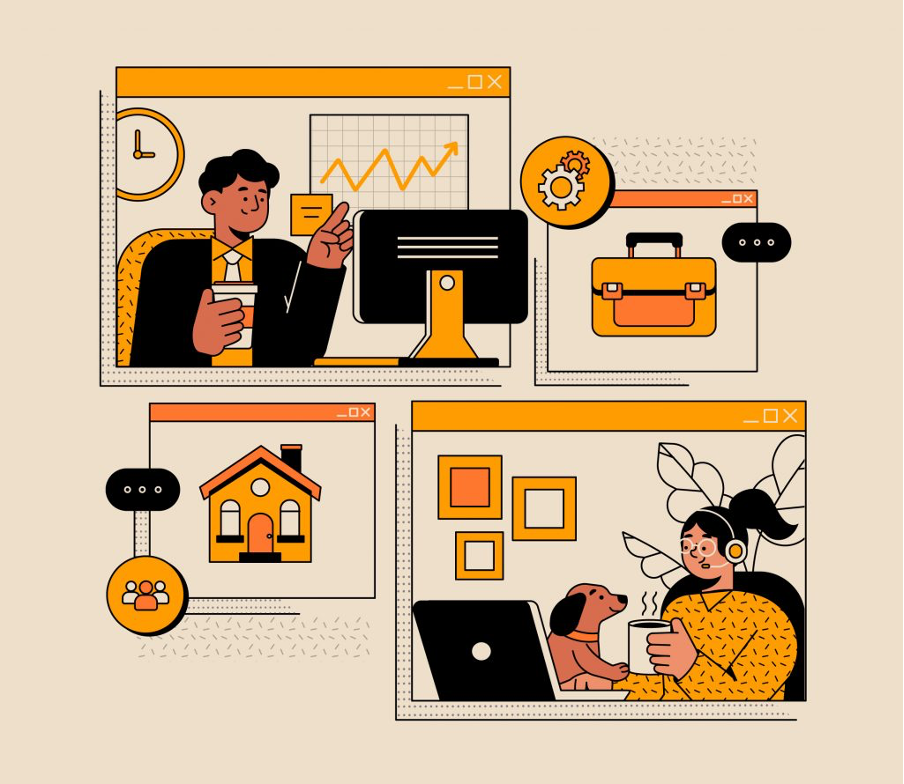
What Real Work-Life Balance Looks Like
True balance isn’t created by slogans.
It’s built through systems:
Clear goals
Outcome-based evaluation
Respect for personal time
Asynchronous communication
Companies like GitLab and Basecamp have publicly documented how trust-based work models improve both performance and well-being (GitLab Remote Work Guide)
A Simple Truth Companies Avoid
You cannot market balance and manage control at the same time.
Sooner or later, employees notice the gap between words and reality.
And in today’s world, where talent has options, authenticity matters more than posters.
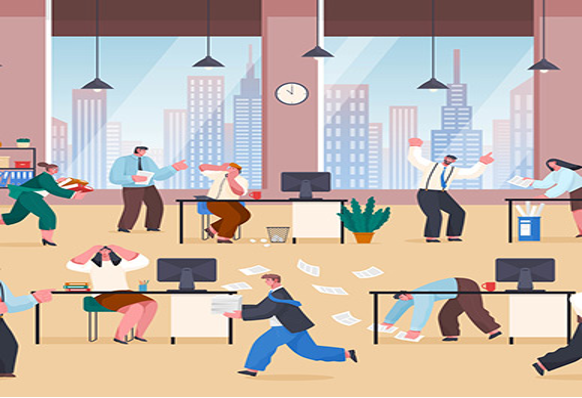
Final Thought
Work-life balance isn’t created by design teams.
It’s created by trust, structure, and respect for time.
Until companies are willing to change how work is measured,
those posters will remain what they are today—
beautiful frames around an uncomfortable truth.